Molly entered her follow-up appointment expecting one thing: answers that would finally close a painful chapter. After months of emotional exhaustion, physical suffering, and a difficult surgery, this was supposed to be routine—a simple medical update confirming her recovery. She had already prepared herself emotionally for disappointment and lowered expectations. But what if this appointment wasn’t about closure at all? What if it quietly became the moment her future started shifting in a completely unexpected direction?
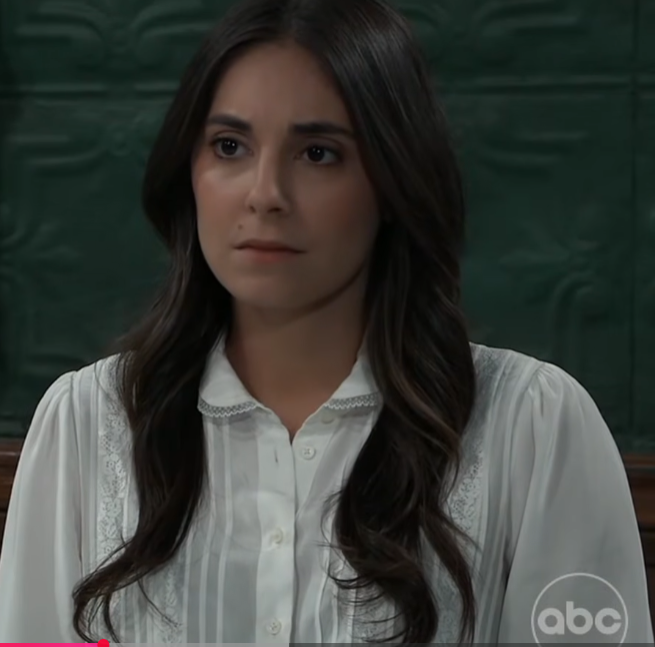
For a long time, Molly’s journey has revolved around heartbreak. Her battle with endometriosis brought more than medical complications—it forced her to face a devastating emotional reality. The dream of becoming a mother suddenly felt uncertain, distant, and painfully fragile. Slowly, hope gave way to acceptance, and possibilities turned into painful limitations. Molly had begun mentally adjusting to a life she never imagined for herself, one where motherhood might simply never happen. That’s what made this visit feel so heavy—she wasn’t walking into the room with optimism. She was walking in already braced for more loss.
The emotional pressure surrounding that appointment didn’t need dramatic confrontations to feel intense. Sometimes silence carries more weight than words, and Molly felt every second of it. The waiting, the uncertainty, the fear of hearing confirmation that nothing had improved—it all hung over her like a storm cloud. Cody stayed close, offering quiet support despite knowing there was little he could actually do. The outcome of this conversation wasn’t in his hands, and both of them understood that whatever came next could reshape Molly’s emotional world completely.

Then something unexpected happened. It wasn’t explosive, dramatic, or life-changing in an instant. Instead, it arrived through careful medical language—the kind that feels restrained but carries enormous meaning underneath. The doctor’s tone suggested cautious optimism. Recovery looked stronger than anticipated. Certain signs appeared more encouraging than expected. There were no guarantees and no promises, but there was something Molly hadn’t allowed herself to believe in for a long time: possibility.
That possibility hit harder than bad news ever could. Molly had already worked through the grief of what she feared she lost forever. She had spent months emotionally preparing for limitations and trying to rebuild her future around disappointment. Suddenly hearing that things might not be as final as she once believed felt emotionally overwhelming. Hope isn’t always comforting, especially when someone has already accepted pain. Sometimes hope feels terrifying, because believing again means risking heartbreak all over again.
From a storytelling perspective, this moment feels far too intentional to ignore. The timing of the surgery, the immediate follow-up, and the carefully delivered medical update all feel strategically placed within the larger narrative. This doesn’t come across as a random health update tossed into the story—it feels like the beginning of something new. In soap operas, characters rarely receive “a small chance” without major consequences following close behind. It often signals the start of emotional twists, difficult decisions, and life-altering drama waiting around the corner.
Viewers are already split over what this development could mean for Molly’s future. Some fans believe the show is slowly setting up a heartfelt second chance, giving Molly a path back toward the dream she thought was permanently gone. Others remain skeptical, worried the storyline could move too quickly into unrealistic territory and risk minimizing the seriousness of her medical condition. That divide between emotional hope and grounded realism has made the story even more engaging, leaving audiences emotionally invested but deeply uncertain about what comes next.
If Molly truly has even the smallest opportunity to reclaim the future she thought she lost, the ripple effects could be enormous. Cody’s role in her life may become far more significant as emotional stakes rise. New medical decisions, emotional sacrifices, and difficult risks could suddenly become unavoidable. The situation raises painful questions about how much Molly is willing to endure physically and emotionally if there’s even a slim chance at the life she once dreamed about. And unlike a simple happy ending, this feels more like the start of an entirely new emotional battle.
So was this appointment simply encouraging news after surgery—or the first sign of a much bigger twist waiting to unfold? And if Molly finally has a reason to hope again, how far will she be willing to go to turn that fragile possibility into reality?
