Something subtle happened during General Hospital’s May 26 episode, and many viewers may have overlooked it while chaos unfolded at the PCPD. Dante and Lulu were consumed by heartbreak, Chase was focused on the investigation, and officers rushed through the station. Yet in one quiet room, a conversation unfolded that may end up changing everything — and it had nothing to do with police work. Instead, it centered on one medical detail that may have exposed a dangerous deception.
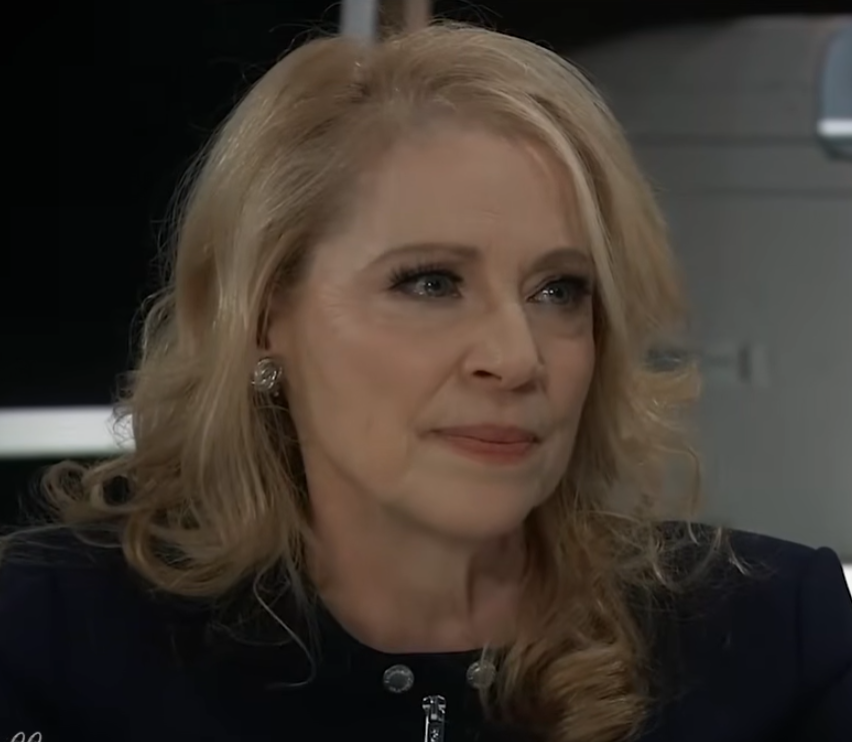
During a private exchange, the man posing as Nathan West approached Liesl Obrecht with alarming urgency. He insisted they needed to locate Britt immediately, warning that she was running out of time because of Huntington’s disease. On the surface, his concern sounded believable. He came across as a frightened brother desperate to save his sister before it was too late. But Liesl was not listening as only a mother. She was listening as a doctor.
Her reaction came quickly and with unmistakable suspicion. Liesl immediately pushed back, pointing out that Britt’s condition had shown no evidence of suddenly worsening. Why, she questioned, was he speaking as though Britt was nearing death? That moment mattered because it was not emotional instinct driving Liesl’s doubt — it was medical reasoning. As Britt’s mother and physician, Liesl understands Huntington’s disease better than almost anyone in Port Charles, and what she heard did not fit the facts.
Liesl has observed Britt’s condition closely ever since the diagnosis was revealed. She knows Huntington’s is a devastating illness marked by unmistakable progression — tremors, declining motor skills, neurological deterioration, and cognitive damage that modern medicine cannot simply erase. Yet according to what Liesl had seen, Britt was not deteriorating in any alarming way. That contradiction immediately raised a red flag.
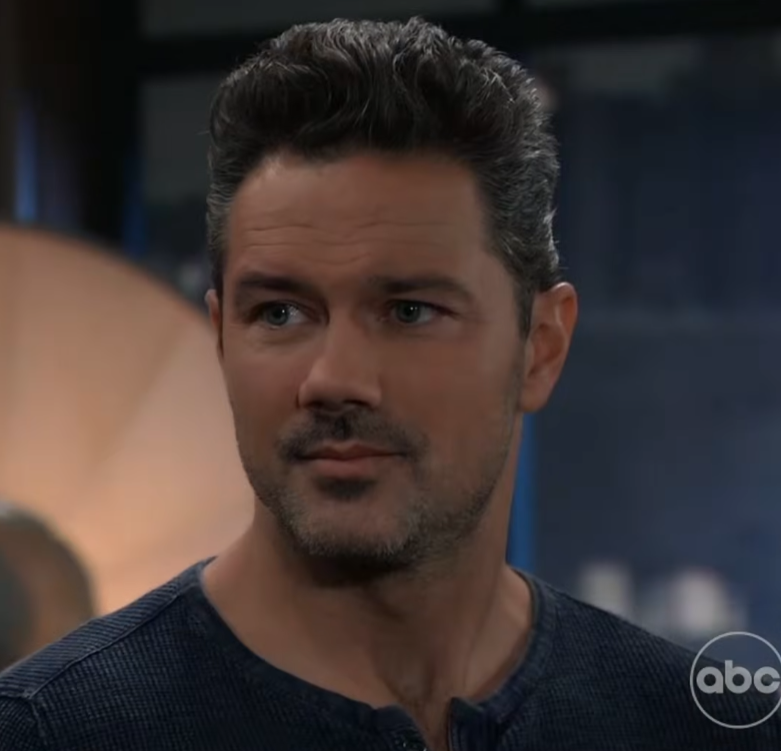
What may have happened in that interrogation room is far bigger than fans initially realized. Cassius Faison, secretly living under Nathan West’s identity, may have accidentally exposed himself. His wording sounded less like a worried family member and more like someone deeply informed about Britt’s pharmaceutical dependence. A true brother afraid for his sister might plead emotionally, saying he feared she needed help or medication. Instead, Cassius made a confident statement that she would die if they did not act quickly — language that felt disturbingly specific.
That distinction changes everything. It suggests Cassius was not speaking out of fear, but from knowledge. His certainty implied an understanding of consequences tied directly to whatever treatment Britt has been receiving. Rather than describing Huntington’s disease itself, it sounded as if he knew exactly what would happen when access to a particular substance disappeared. That is not love speaking. That sounds more like control.
This possibility strengthens a theory that has quietly grown throughout the storyline. The mysterious medication supplied to Britt through Cullum and Sidwell may never have been genuine treatment at all. Instead of helping her survive Huntington’s disease, it may have functioned as a mechanism of dependency — something designed to keep Britt compliant. If Cassius is involved in that system, whether as messenger or mastermind, his alarming warning suddenly takes on a much darker meaning.
Perhaps the most important line of the week came when Liesl admitted she believed her “son” was hiding something significant. That statement carried enormous weight because it did not sound like confusion or emotional denial. It sounded like the conclusion of a physician piecing together evidence that simply does not make sense. The numbers, symptoms, and timeline are no longer aligning in her mind.
Another forgotten detail may ultimately confirm her suspicions. Back in September, Lucas Jones examined Britt and reportedly found no visible evidence of Huntington’s symptoms at all. At the time, Britt accepted the explanation that Cullum’s medication was successfully managing the illness. But from a medical standpoint, a total disappearance of neurological warning signs is not a normal success story — it is something deeply suspicious.
If Liesl eventually learns about Lucas’ findings, the implications could be devastating. She may quickly realize there are only two possibilities: either Britt never truly had Huntington’s disease in the first place, or the so-called medication is doing something far more dangerous than anyone understands. Either answer would completely reshape everything fans believe they know about Britt’s story.
For months, Port Charles has searched for someone capable of exposing Cassius. Dante remains trapped in grief, Chase is following legal evidence, and Jason continues working from outside the system. But Liesl may already be closer than anyone else. She is standing directly in front of the man pretending to be her son, asking the exact question no one else thought to ask. She may not be investigating anymore — she may already know the truth. The real danger now is what Cassius will do once he realizes Liesl sees straight through him.
