For months, viewers of General Hospital have watched Cullum spread fear across Port Charles with his calculated cruelty, manipulative behavior, and chilling lack of compassion. He quickly became one of the soap’s most despised villains, earning the kind of hatred audiences love to feel toward a dangerous antagonist. But this week, the conversation surrounding Cullum took a completely unexpected turn after the actor behind the role, Andrew Hawkes, revealed a deeply personal struggle that left fans emotional and stunned.
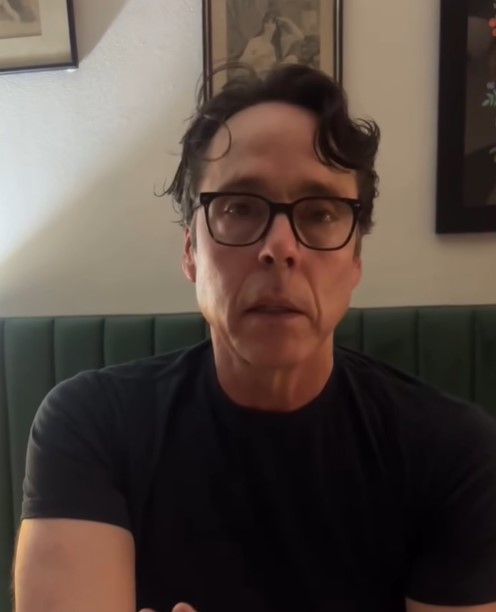
Many fans assumed the actor portraying such a cold and intimidating character might share some of that same darkness in real life. Instead, Andrew surprised audiences by showing a completely different side of himself. During an emotional conversation about mental health, addiction, and healing, he came across as open, caring, and deeply sincere. The contrast between actor and character was so dramatic that some viewers admitted they suddenly found it hard to separate their dislike of Cullum from their growing respect for Andrew.
What truly shocked fans, however, was the heartbreaking reality Andrew had been quietly facing away from the spotlight.
Behind the cameras, while audiences focused on his powerful performance as one of daytime television’s most unsettling villains, Andrew was privately struggling with battles many never imagined. He revealed that he had been dealing with alcoholism, depression, and the overwhelming loneliness that often comes with emotional suffering. While Cullum terrorized Port Charles onscreen, Andrew himself was fighting personal demons that threatened to take over his real life.
For many viewers, one specific part of his confession struck harder than anything else he shared.
Surprisingly, it was not his battle with alcohol that affected fans most. It was not even his experience with depression. Instead, many connected most deeply with his comments about isolation. Andrew explained how withdrawing from others can slowly become dangerous, creating a cycle where people convince themselves no one understands what they are going through and no one truly wants to help. His words felt painfully familiar to countless viewers.
Soon, social media comment sections were flooded with emotional responses. Fans began opening up about their own painful experiences involving addiction, grief, loneliness, and mental illness. Some shared heartbreaking stories about family members lost to alcoholism or substance abuse. Others spoke honestly about living with depression, anxiety, bipolar disorder, ADHD, or the emotional pain of devastating loss. What began as an actor telling his truth quickly evolved into a supportive space where strangers comforted one another.
Unexpectedly, Andrew’s honesty also changed the way many fans viewed Cullum himself.
For the first time, viewers started wondering whether the villain they hated might be carrying emotional scars of his own. Questions quickly emerged: What happened in Cullum’s past? What suffering shaped him into the person audiences now fear? Could there still be some hidden humanity beneath the manipulation and cruelty? Fans who once wanted only to see him destroyed suddenly became curious about what pain may have created the darkness.
Perhaps the most compelling part of this story is the strange connection between Andrew and the character he portrays.
Although Andrew and Cullum appear completely different on the surface, some fans noticed one haunting similarity between them: isolation. Both stories involve emotional distance, walls built to protect pain, and struggles hidden from the outside world. The key difference, however, is that Andrew chose to confront his struggles and seek help, while Cullum continues to hide behind anger, control, and manipulation.
As Andrew’s story spread online, the reaction grew into something much bigger than a discussion about General Hospital. Fans stopped talking only about soap opera storylines and began sharing deeply personal experiences from their own lives. Some wrote about losing loved ones to addiction or suicide, while others described years spent silently fighting mental illness and grief. What started as one actor’s vulnerable confession transformed into a community built around empathy and understanding.
That powerful response may explain exactly why Andrew’s message resonated with so many people.
At a time when celebrities are often expected to maintain perfect public images, Andrew chose honesty instead. Rather than pretending everything was fine, he openly admitted that recovery is ongoing and requires daily effort. Instead of hiding the most painful chapters of his life, he bravely shared them, encouraging others to speak openly about struggles they may have kept secret for years.
The impact of his confession has been impossible to ignore.
For viewers who previously knew Andrew Hawkes only as the actor playing one of General Hospital’s most frightening villains, the picture has now completely changed. Fans no longer see only a performer playing a monster. They see someone who survived personal hardship, someone willing to speak honestly, and someone using his platform to help others facing silent battles.
Cullum may continue to strike fear throughout Port Charles.
But for many fans, the real story — Andrew Hawkes finally revealing the painful truth about his personal struggles — is far more powerful than anything happening on General Hospital. And it is a story many viewers say they will never forget.
