Curtis may have spent all this time believing a DNA result he never actually saw. Forget hackers, switched samples, corrupted labs, or some elaborate hospital conspiracy. The most explosive explanation could also be the simplest: Portia saw the complete DNA report first, while Curtis only heard the version she wanted him to hear. If that is what happened, then the test itself was never the problem. The lie began the moment Portia decided what Curtis was allowed to know.
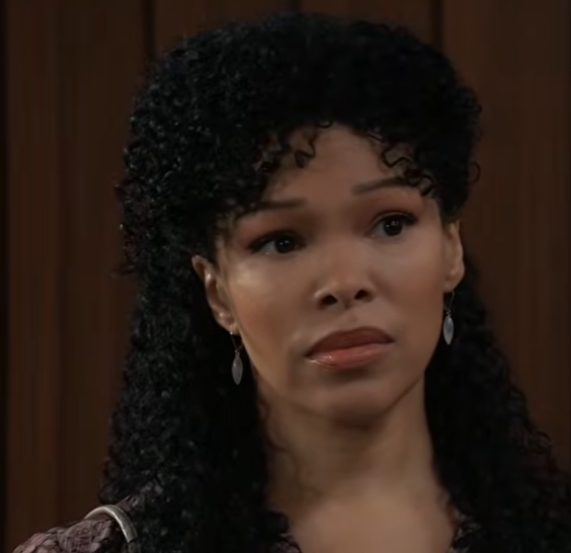
That raises one question that could blow this entire paternity mystery apart: did Curtis ever personally examine the complete DNA report? There is an enormous difference between seeing the official document with your own eyes and trusting someone else to explain what it says. Curtis may believe the DNA evidence settled the issue, but if his understanding came through Portia, then everything depends on whether she told him the whole truth.
And that is what makes this possibility so dangerous. Portia would not have needed to manipulate a single sample. She would not have needed access to sophisticated technology, a corrupt lab employee, or someone willing to falsify medical records. The laboratory could have done everything correctly. The original sample could still be untouched. The official medical record could have contained the truth from the beginning. Portia only needed to leave out the one piece of information she desperately did not want Curtis to see.
Imagine the original report containing more than a simple positive or negative conclusion. What if the full documentation included another paternal connection, a family match, or an identifying detail that immediately pointed toward someone Curtis knew? Portia could have understood the consequences the second she read it. Instead of handing Curtis the document, she could have summarized the result in a way that ended his questions without revealing where the DNA evidence actually led.
The real explosion would come when that original record resurfaces. A legal dispute, medical issue, custody battle, or routine request for documentation could force someone to retrieve the archived DNA file. Curtis would have no reason to fear it. As far as he knows, he already knows exactly what the test revealed. He could open that record expecting confirmation—and instead discover that the document in front of him does not match what Portia told him.
That would completely change the mystery because Curtis would suddenly realize the DNA test never changed. There was no second test producing a shocking new answer. There was no laboratory mistake waiting years to be corrected. The truth had been sitting inside the original record the entire time. Curtis simply never saw it. And once he understands that, his next move would be obvious: keep reading until he finds the piece Portia left out.
Then comes the name that could detonate the entire family: Isaiah Gannon.
If Isaiah appears somewhere in the original DNA documentation as the paternal connection to Desmond, Curtis would immediately understand why Portia never wanted him to see the complete report. The biggest bombshell would no longer simply be that Isaiah could be Desmond’s biological father. It would be that Portia may have known the truth long before Curtis discovered it—and deliberately allowed him to believe something else.
That creates an even darker question: why would Portia hide Isaiah? Perhaps she believed exposing the truth would destroy the family. Perhaps she wanted to control what happened next before Curtis could confront Isaiah. But there could also be another possibility. Isaiah’s name might not be the final secret at all. It could be the first clue leading toward something even more dangerous buried inside the family’s history. If so, Portia was not merely hiding a father. She was stopping Curtis from asking the next question.
For Curtis, that betrayal could hurt more than the DNA revelation itself. Finding Isaiah’s name on a report would be devastating, but discovering Portia had already seen that same name would turn a paternity shock into a deeply personal deception. She would have taken away Curtis’s ability to make his own decision about the truth and decided for him which parts of his family history he deserved to know.
The ultimate confrontation practically writes itself. Curtis places the original DNA report in front of Portia. Isaiah walks into the room without realizing what Curtis has just discovered. Curtis looks at Isaiah, then back at Portia. He does not need a long accusation or another test.
He needs only one question.
“How long have you known?”
And if Portia cannot answer, Curtis will have an even more terrifying reason to keep reading that report—because Isaiah’s name might not be the only secret she buried.
