Speculative B&B storyline.
Sheila Carter may have discovered a far more devastating way to destroy Taylor Hayes than anyone expected. After confronting the renowned psychiatrist and demanding that she remove her engagement ring, Sheila realizes that Taylor has no intention of voluntarily surrendering Deacon Sharpe. Taylor believes their love is genuine, their relationship is legitimate, and their future together is something Sheila must learn to accept. However, Sheila remembers exactly how their romance began. Before Taylor became Deacon’s fiancée, she was the professional he turned to while struggling with his marriage. That complicated history could now become the foundation of an explosive professional complaint capable of threatening everything Taylor has spent decades building.
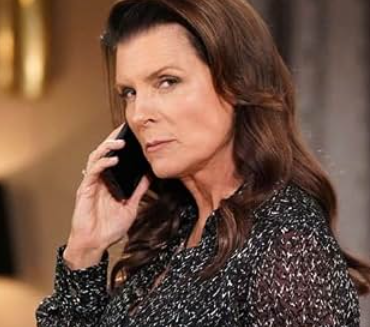
Sheila has already made her feelings about Taylor’s relationship with Deacon painfully clear. She believes Taylor failed to appreciate the man Sheila loved and accepted despite his complicated past. When Taylor initially rejected Deacon’s marriage proposal, Sheila watched the man she still cared about suffer another emotional disappointment. Although Taylor eventually reconsidered and accepted his proposal, Sheila remains convinced that their relationship is built on unstable foundations. Deacon’s recent memories of his marriage to Sheila only strengthen the possibility that he has unresolved feelings. Rather than relying on those feelings alone, Sheila could decide to challenge the circumstances that brought Deacon and Taylor together in the first place.
The central issue would be Taylor’s former professional relationship with Deacon. He sought her guidance while dealing with deeply personal marital problems, placing Taylor in a position of trust. Romantic feelings eventually developed, raising questions about professional boundaries and the timing of their relationship. Taylor’s defenders could argue that she ended their therapeutic relationship before pursuing anything romantic. However, Sheila might question whether that separation was sufficiently clear and whether emotional boundaries had already become blurred before the professional relationship ended. These questions would not automatically establish misconduct, but they could be serious enough to justify a formal review by the appropriate licensing authorities.
Sheila could begin by consulting an attorney and explaining the history of Deacon’s treatment. Rather than attempting to obtain confidential records illegally, she might submit a formal complaint requesting that the relevant authorities examine the circumstances. The complaint could focus on appointment dates, the termination of treatment, and the beginning of Taylor’s romantic involvement with Deacon. If an investigation were opened, Taylor would suddenly find herself defending not only her relationship but also her professional judgment. Her years of experience and reputation as a respected psychiatrist would offer little comfort as she confronts the possibility that her private decisions could become the subject of professional scrutiny.
The situation would become even more complicated when Deacon learns that Sheila has filed the complaint. He might initially react with anger, accusing Sheila of trying to destroy Taylor simply because she cannot accept their engagement. Sheila, however, could insist that the matter concerns professional responsibility rather than romantic jealousy. She might remind Deacon that he approached Taylor during a vulnerable period, trusting her to help him understand his emotions and marriage. Deacon would be forced to reconsider conversations that once seemed innocent, wondering whether their developing attraction influenced the guidance he received. Even if he ultimately concludes that Taylor acted appropriately, the experience could leave him deeply uncomfortable.
Taylor’s greatest nightmare could arrive when Deacon becomes an important witness in the review. Any examination of confidential treatment information would need to follow the appropriate legal and professional safeguards, but his own recollections could still carry enormous significance. Taylor might desperately hope that Deacon remembers their relationship developing only after treatment ended. Yet she cannot control what he remembers or how investigators interpret the timeline. Steffy would undoubtedly rush to defend her mother, accusing Sheila of weaponizing professional ethics for personal revenge. Ridge could also become involved, furious that Taylor’s career is being threatened because of her relationship with Deacon.
As the pressure intensifies, Taylor might begin questioning whether marrying Deacon is worth the damage unfolding around her. Sheila could believe that forcing Taylor to choose between her career and her engagement will finally bring Deacon back. But the plan carries enormous risks. Deacon may never forgive Sheila for deliberately placing Taylor’s livelihood in jeopardy, particularly if the investigation ultimately finds no wrongdoing. Alternatively, if legitimate professional concerns emerge, Taylor could face consequences far more serious than a canceled wedding. Sheila has spent years being judged for her own past, and now she may be determined to expose the imperfections of the woman everyone considers respectable. The engagement ring Taylor proudly wears could soon become the most expensive piece of jewelry she has ever accepted, costing her reputation, her relationship, and potentially the career that has defined her entire life.
