The Bold and the Beautiful could turn Forrester Creations’ highly anticipated fashion launch into an embarrassing professional reckoning for R.J. Forrester. As the company prepares to showcase its new direction and the Electra collection, Zende Forrester Dominguez may have an opportunity to challenge the recognition R.J. has received. If Zende produces original sketches demonstrating that his creative contributions were incorporated into the collection without adequate acknowledgment, Forrester could be forced to reconsider who deserves the credit.
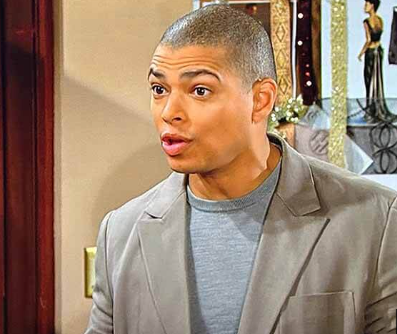
The potential twist is not necessarily that R.J. deliberately stole another designer’s work. No such misconduct has been established. Instead, the controversy could emerge from overlapping creative contributions, changes within the design team and the possibility that Forrester’s promotional campaign emphasizes R.J.’s achievements while overlooking Zende’s involvement. A comparison between earlier sketches and the finished collection might reveal a more complicated creative history than the company initially presents.
That discovery could become especially damaging if Electra herself demands an explanation. Rather than allowing professional loyalty or personal relationships to determine whose name receives recognition, she could insist that everyone involved in developing her collection receives appropriate credit. R.J. might suddenly find himself defending his reputation while Zende finally receives the acknowledgment some viewers believe he deserves.
The groundwork for this potential conflict was established during the November 18 and 19 episodes. Forrester placed considerable importance on the Electra collection as the company explored a younger fashion direction. R.J. presented his designs, while the leadership considered how to promote the collection and protect its creative assets.
The upcoming announcement during the week of November 30–December 4 could transform those preparations into a major public opportunity. With Brooke involved in presenting Forrester’s new direction, the company has every reason to emphasize the talent responsible for its latest collection. However, publicity also creates a situation in which the origins of particular designs become more important than ever.
Zende’s previous involvement with Forrester makes him a particularly interesting figure in this developing storyline. His experience as a designer and history within the family company mean that his contributions cannot automatically be dismissed simply because the creative team has changed. If elements of his earlier work remain present in the collection, questions about recognition could become unavoidable.
Some viewers have already expressed skepticism about R.J.’s growing professional prominence. They question whether his accomplishments reflect his independent talent or the advantages associated with being a member of the Forrester family. Others believe he has received attention that should also have been directed toward Zende. Those opinions are fan interpretations, but they demonstrate why a storyline exploring professional recognition could generate considerable interest.
Imagine Zende seeing promotional images of the Electra collection and recognizing particular elements from sketches he created during its earlier development. Instead of making an unsupported accusation, he could retrieve his own dated designs and request a direct comparison with the pieces currently being promoted.
The comparison might reveal distinctive similarities in silhouettes, decorative details or construction concepts. Although similarities would not automatically establish misconduct, they could provide a legitimate reason to examine how the collection evolved and whether each designer’s contributions were properly documented.
Electra could become the decisive figure in that investigation. The collection carries her name, giving her a personal and professional interest in ensuring that its creative history is represented accurately. If Zende presents convincing documentation, Electra may ask R.J. and the Forrester leadership to explain how the final pieces were developed.
That confrontation could deliver the dramatic reversal fans have been waiting for. R.J., who has been receiving recognition for his designs, might have to acknowledge that some of the collection’s strongest elements originated through collaboration or earlier work by Zende. What began as a celebration of R.J.’s talent could become an uncomfortable discussion about the difference between individual achievement and collective creativity.
Ridge would face a difficult management decision. Protecting the company’s reputation cannot simply mean defending his son regardless of the circumstances. If the evidence demonstrates that Zende deserves acknowledgment, Ridge may need to revise Forrester’s promotional narrative and ensure that the company accurately credits its designers.
The issue would extend beyond wounded pride. Professional recognition can influence a designer’s reputation, future opportunities and standing within the fashion industry. For Zende, receiving appropriate credit could represent an important victory after feeling overlooked. For R.J., losing exclusive recognition could force him to establish his abilities without relying on assumptions about his family connections.
There is currently no confirmation that Zende possesses disputed sketches or that R.J. improperly used his designs. Nevertheless, the collection’s development and Forrester’s upcoming announcement offer a plausible foundation for such a confrontation.
If Zende can document creative contributions that have been overlooked, the Electra launch could become the moment Forrester is forced to recognize his talent while R.J. discovers that professional respect must be earned through more than a famous family name.
