When Diane Miller steps in to protect Michael Corinthos, the legal battle in General Hospital stops being about truth and starts becoming about power. Diane doesn’t merely defend her client — she redraws the battlefield. From the moment she takes control, Michael is no longer a target but a protected asset, shielded by strategy, precision, and legal influence that few in Port Charles can match.
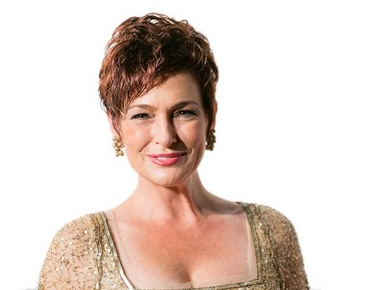
The immediate consequence of Diane’s involvement is insulation. Michael’s exposure narrows dramatically as testimony is controlled, narratives are redirected, and prosecutors are forced to chase harder proof instead of assumptions. In court, perception matters as much as evidence, and Diane ensures Michael appears composed, credible, and legally untouchable. The system begins to bend around him — not because he is innocent, but because he is protected correctly.
But protection is never free. As Michael becomes legally safer, pressure shifts elsewhere — and that pressure lands squarely on Willow. The prosecution, unable to crack Michael’s defense wall, redirects its focus toward the person with fewer resources, fewer allies, and a far more vulnerable emotional history. Willow becomes the path of least resistance. Every past mistake, every emotional reaction, every questionable decision is magnified, turning her into the narrative’s weak link.
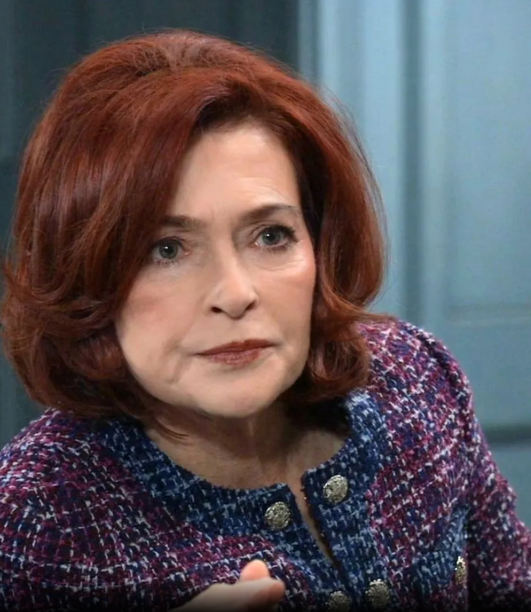
Even if Willow avoids criminal consequences, the real danger lies beyond the criminal courtroom. Family court operates on optics, stability, and perceived fitness — and this is where Diane’s protection of Michael becomes devastating. Michael appears organized, supported, and legally reinforced. Willow appears unstable, overwhelmed, and reactive. In custody disputes, that imbalance can be fatal. Winning a case does not mean winning your children.
Diane’s motivation is not personal loyalty; it is strategic calculation. Michael represents continuity, influence, and long-term leverage. He fits the profile of a client worth preserving at all costs. Willow, by contrast, represents risk — emotional, reputational, and unpredictable. In choosing whom to shield, Diane chooses the future she believes the court system will protect.

The fallout extends beyond the courtroom and into the Corinthos family dynamic. Michael’s protected position gives him silent leverage in every conversation, every negotiation, every parental decision. Willow’s weakened standing limits her ability to push back, forcing her into defensive choices that only deepen her vulnerability. What looks like legal victory becomes emotional isolation.
In the end, Diane protecting Michael is not just a legal maneuver — it is a transfer of power. Michael stands secure while Willow absorbs the consequences, and the conflict evolves from a legal fight into a moral reckoning. Justice may be argued in court, but control is decided long before the verdict is read.
