In General Hospital (January 16, 2026), the conversation between Michael Corinthos and Willow Tait is not emotional fallout from the trial — it is strategic groundwork. By the time Michael speaks, the plan is already forming. What unfolds on screen is not indecision, but confirmation.

Michael Isn’t Processing — He’s Positioning
Michael does not argue the verdict. He does not relitigate guilt, innocence, or morality. Instead, he reframes the entire discussion around what comes next. His language is careful, measured, and future-facing: stability, structure, environment, consequences. That choice is deliberate. Michael is no longer reacting to Willow’s actions — he is establishing criteria by which the next phase will be judged.
This is the first signal that Michael’s plan is no longer emotional. It is procedural.
The Conversation Shifts the Battlefield
Willow speaks from identity: her role as a mother, her love, her bond with the children. Michael never disputes those things — and that’s precisely the point. He bypasses emotion entirely and moves the conversation into standards and suitability. By doing so, he quietly shifts the battlefield from marriage to parenting, from forgiveness to evaluation.
That shift only happens when someone already knows where the fight is going.
“What Comes Next” Is Not a Threat — It’s a Timeline
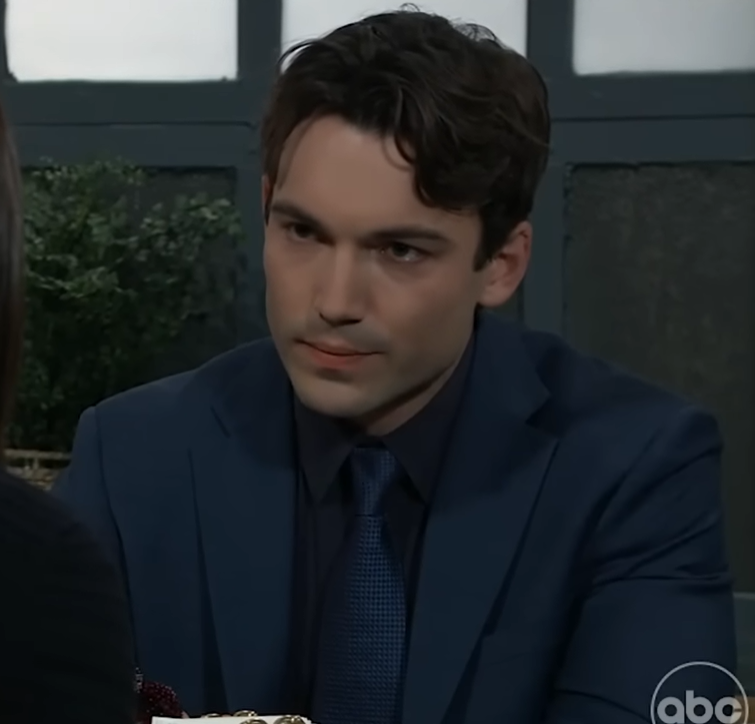
Michael never says he will take the children. He never mentions court. But his repeated emphasis on what’s next signals something more unsettling: the trial was never the end goal. It was a checkpoint. The real objective lies ahead, and it involves redefining who provides safety, consistency, and control.
This is not hesitation. This is sequencing.
Willow Realizes Too Late What’s Changed

As the conversation progresses, Willow’s posture shifts. She senses that this is no longer a conversation between spouses trying to heal — it is a conversation between two parents whose paths are diverging. Michael isn’t asking for agreement. He’s setting boundaries Willow didn’t realize were being drawn.
By the end of the exchange, Willow understands something crucial: Michael is no longer seeking reassurance. He is moving forward without her consent.
Diane’s Invisible Presence

Although Diane Miller is not in the room, her influence is unmistakable. Michael’s phrasing mirrors legal logic, not emotional impulse. This conversation sounds like the opening paragraph of a future case — one built not on accusation, but on comparison. Who is stable. Who is predictable. Who minimizes risk.
Those are not the words of a man improvising. They are the words of someone executing advice.
Conclusion
The Michael–Willow conversation does not foreshadow a plan — it confirms one. Michael has already accepted that the trial was only step one. What comes next is quieter, colder, and far more dangerous: a gradual restructuring of the children’s lives in which Michael becomes the unquestioned center.
Willow doesn’t lose ground because Michael attacks her.
She loses it because Michael has already moved on to the next phase — and she’s still standing in the last one.
If you want, I can next break down exactly which lines signal premeditation, or analyze why the writers chose to make Michael’s strategy emotional silence instead of open confrontation.
