The return of Cesar Faison on General Hospital isn’t loud, flashy, or physical—and that’s exactly what makes it terrifying. Faison doesn’t storm back into Port Charles. He whispers. He lingers. He exists where he’s always been most powerful: inside the mind.
By bringing Faison back through voice-over rather than resurrection, the show reframes him from a traditional supervillain into something far more unsettling—a psychological parasite. He is no longer a man who needs a body. He is trauma that never healed.
This isn’t nostalgia. It’s strategy.
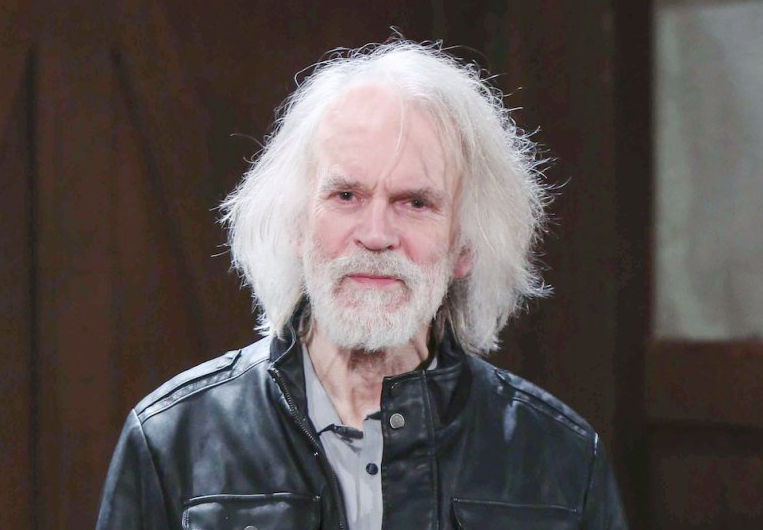
When a Villain Becomes a Memory, He Becomes Untouchable
Having Anders Hove return only as a voice is a deliberate creative choice. Faison isn’t meant to act anymore—he’s meant to influence. His presence turns inward, transforming into guilt, fear, and unresolved damage.
You can’t arrest a voice in your head.
You can’t shoot a memory.
That’s what makes this version of Faison more dangerous than any version before him.
Anna Devane: Survivor, Target, or Breaking Point?
Faison’s return is inseparable from Anna Devane—and that’s no accident. Anna has survived espionage, betrayal, torture, and loss. But survival doesn’t equal closure.
Faison’s voice resurfaces at a moment when Anna is physically weakened and emotionally exposed. The implication is chilling: what if the real threat isn’t Faison’s return—but how much control he still has over Anna’s instincts, decisions, and sense of reality?
If Anna begins to doubt herself, Faison wins. Again.
A Legacy Villain for a Long-Game Storyline
This “sort of” return signals a tonal shift for General Hospital. Instead of rehashing old villains through recycled plots, the show is exploring legacy evil—the idea that some damage never ends, it only changes form.
Faison is no longer a character driving the plot.
He is the shadow shaping it.
And if GH is willing to let its most iconic villain live on as trauma rather than flesh, then this story isn’t about the past coming back—it’s about the past refusing to stay buried.
