The escalating conflict between Michael Corinthos and Harrison Chase is not a sudden explosion—it is the inevitable collapse of a relationship strained by secrets, moral clashes, and fundamentally different ideas of justice. While Willow Tait appears to be at the center of their latest showdown, the truth is far more complicated.
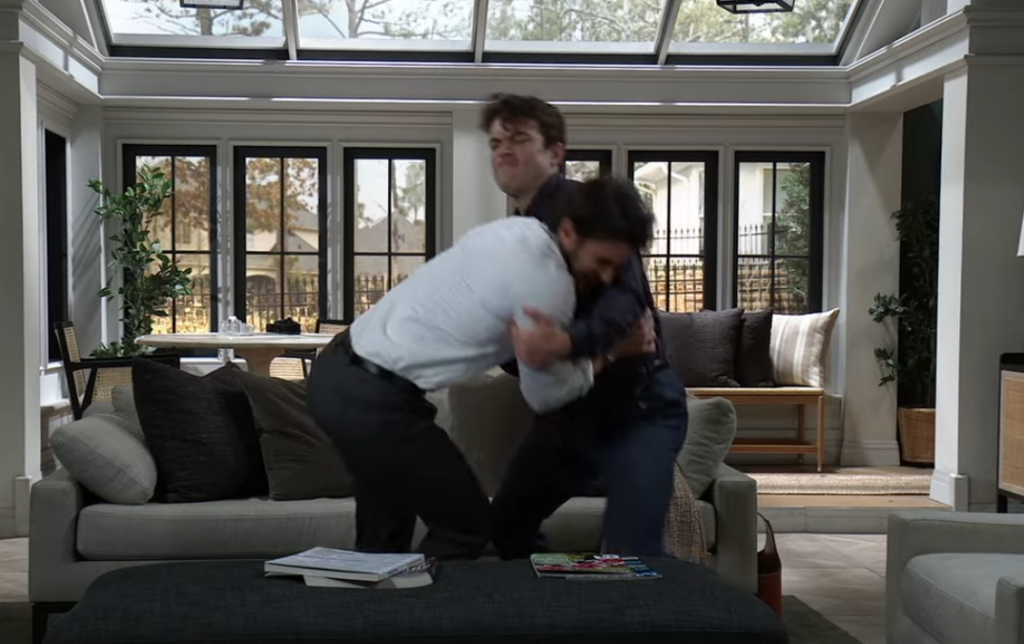
Once Allies, Now Opponents
Michael and Chase were never best friends, but they shared something rare in Port Charles: a fragile mutual respect. Chase believed in law, procedure, and truth. Michael believed in protection, loyalty, and outcomes—especially when family was involved. As long as those values didn’t collide directly, they coexisted.
That balance shattered with the Drew shooting investigation and Willow’s trial fallout.
The Core of the Conflict: Truth vs. Protection

Chase’s rage is not personal—it’s principled. He believes Michael lied, manipulated timelines, and protected dangerous truths surrounding the Drew shooting. To Chase, Michael crossed a line that undermines everything law enforcement stands for. When justice is compromised, Chase sees it as betrayal—not just of the law, but of him personally.
Michael, on the other hand, believes Chase is being selective with morality. From Michael’s perspective, Chase is blind to the real-world consequences of “the truth.” Michael sees himself as doing what Chase won’t: making hard choices to protect people he loves, regardless of collateral damage.
This is not a disagreement—it’s a philosophical war.
Is Willow the Real Reason They’re Fighting?
Willow is the emotional catalyst, not the root cause.
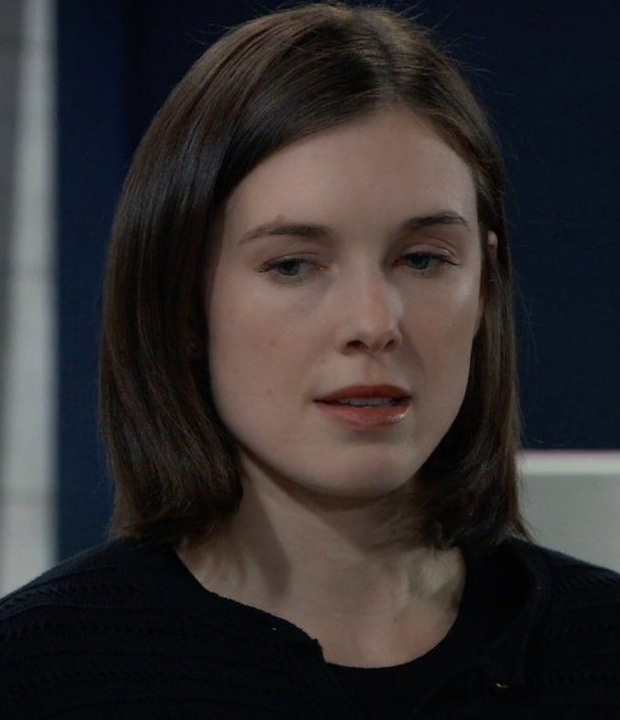
Chase’s loyalty to Willow intensifies his fury, especially if he believes Michael’s actions endangered her freedom, reputation, or future—even indirectly. However, if Willow were removed from the equation entirely, the conflict would still exist. Why?
Because Willow didn’t create the lie.
Willow didn’t create the cover-up.
Willow didn’t force Michael to choose control over transparency.
She merely exposed how incompatible Michael and Chase truly are.
Chase’s Real Issue: Loss of Moral High Ground
Chase is struggling with the realization that doing things “the right way” no longer guarantees justice in Port Charles. Michael represents everything Chase fears: a man who bends reality, wins anyway, and never apologizes. That makes Michael dangerous—not just legally, but ideologically.
Michael’s calm, unapologetic stance during their confrontation is what infuriates Chase the most. Michael isn’t ashamed. He’s resolved.
Michael’s Real Issue: Being Judged by the Wrong Person
Michael does not see Chase as a neutral enforcer of justice. He sees him as emotionally compromised—someone whose judgment is clouded by Willow. To Michael, Chase is no longer a cop seeking truth, but a man lashing out because he can’t accept outcomes he doesn’t control.
And Michael never reacts well to being cornered by moral lectures.
The Showdown Was Inevitable
This clash was never about a single argument or accusation. It was about years of unresolved tension finally surfacing. Michael and Chase are men who believe they are right—and in General Hospital, that usually means someone is about to lose everything.
Final Verdict
Willow is not the reason Michael and Chase are at war.
She is the spark—but the fire was already burning.
The real conflict is this:
- Chase wants justice to be pure.
- Michael wants justice to be effective.
And Port Charles does not have room for both.
