Drew Cain’s current condition is not being framed as a simple medical tragedy but as a deliberate narrative cage, because after Willow stabbed him in the neck with a syringe, his collapse was immediately rewritten as a stroke, placing him in a state where coma or locked-in syndrome is not just possible but dramatically useful: Drew may be alive, conscious, and fully aware—yet completely unable to speak, move, or defend himself, turning his body into a prison and his silence into the story’s most dangerous weapon.
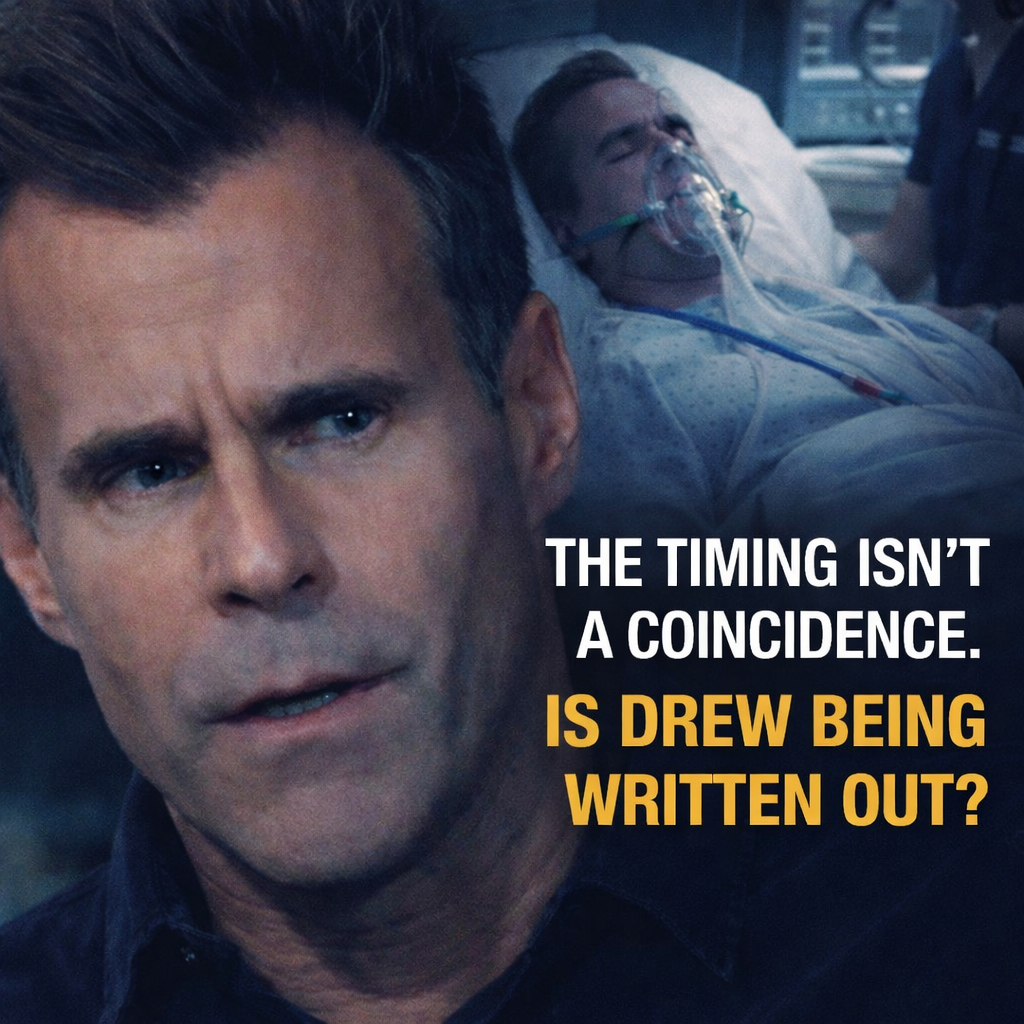
What makes this situation explosive is not only what happened to Drew, but how the town has responded, because voices like Sonny’s declaring that Drew “doesn’t deserve justice” and Tracy’s brutal line that she will shed no tears even if he becomes a “vegetable” reveal that Port Charles is not waiting for truth—it has already delivered a verdict, one driven by resentment, exhaustion, and a belief that Drew has escaped consequences for too long.
The argument that Drew “deserves” this fate rests on the idea of karma, and the show has carefully laid the groundwork for that interpretation by portraying Drew as a man who repeatedly exerted control over others while cloaking it in righteousness, using influence, leverage, and moral superiority to dominate outcomes, especially where Willow and Scout were concerned, leaving many characters—and viewers—feeling that he always landed on his feet while others paid the price.
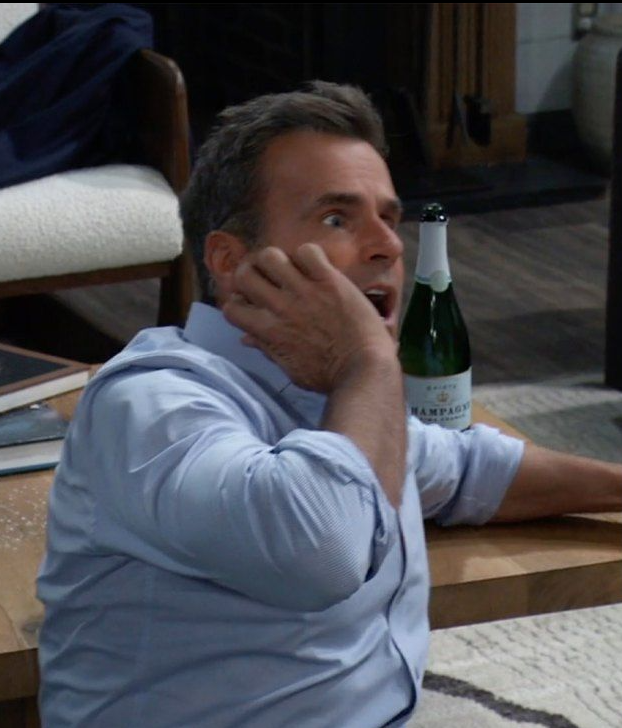
In that sense, the punishment appears poetically tailored, because a man accused of controlling narratives and people is now stripped of agency entirely, forced to lie in a hospital bed while others speak over him, judge him, and rewrite history without resistance, making locked-in syndrome or coma feel like a symbolic reckoning rather than a random act of cruelty.
But this is where “karma” begins to rot, because neurological imprisonment is not justice, it is torture, and no amount of moral failure makes it acceptable to be fully conscious inside a body that cannot scream, cannot point, cannot expose the person who put you there, especially when that person is free to perform grief, innocence, and victimhood while controlling the story.
Willow’s act crosses a line that even Drew’s harshest critics cannot ignore, because she did not defeat him in court or strip him of power through truth—she disabled him and then hid behind a medical narrative that ensured his silence, transforming karma from consequence into calculated erasure.
The real danger of Drew’s condition is not whether he lives or dies, but that his bed becomes a confessional booth for Port Charles, where enemies unload rage, allies hesitate, and opportunists benefit, all while the man at the center of it remains mute, turning the town itself into an accomplice if it celebrates his silence instead of questioning it.
If Drew eventually wakes, speaks, or regains control, the fallout will be catastrophic, because every smug declaration, every “he deserved it,” every moment of unchecked vengeance will come back into the light, forcing characters to confront whether they wanted justice—or simply wanted him gone.

Drew Cain may deserve consequences, but being erased while alive is not accountability, and if Port Charles truly believes this is karma, then the darkest truth may be this: the punishment wasn’t meant to fit the crime, it was meant to end the conversation.
