For years, the World Security Bureau has existed in General Hospital as little more than a convenient mystery — a shadowy name dropped whenever the story needed danger, secrecy, or global stakes. But that era is officially over. Recent episodes have ripped the mask off the WSB, revealing it not as a vague concept, but as a fully structured organization built on layers of power, silence, and self-preservation.

What makes this revelation so explosive is that the WSB is no longer portrayed as a single authority figure or faceless command. Instead, dialogue now confirms the existence of multiple “higher ups” and an internal directorate, suggesting a governing body that operates above any one agent or handler. This instantly reframes the organization as something far more dangerous — a system designed to survive scandals by burying responsibility.
That structure explains what viewers have long questioned: why no one at the WSB ever truly answers for their mistakes. With power divided among layers and committees, accountability disappears. When missions fail or agents are sacrificed, blame evaporates into bureaucracy, allowing the organization to protect itself at all costs.
The tension between Cullum and Jack Brennan drives this point home. Cullum’s retreat isn’t about professionalism or protocol — it’s about fear. His undisclosed connection to Sidwell and the Cold Fusion program is a liability that could destroy him if exposed. Silence isn’t strategy here; it’s survival.
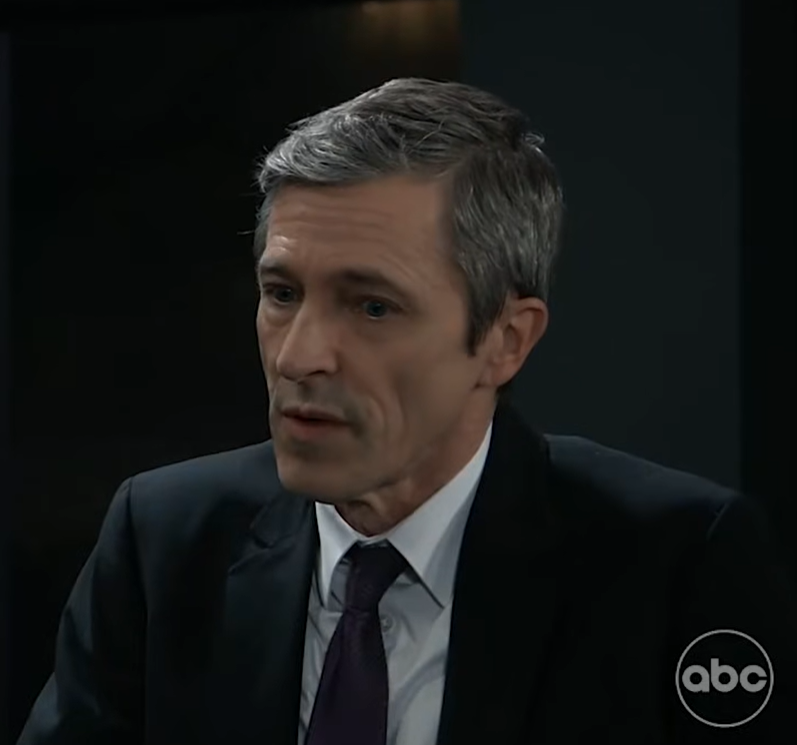
Jack’s refusal to name his source carries even heavier weight. This isn’t arrogance or defiance — it’s experience. He’s already paid the price for compromised intelligence and lost operatives. Giving up an asset wouldn’t just cost information; it could cost lives. In a world where double agents are everywhere, trust becomes a weapon — and a risk.
By grounding the WSB in hierarchy, secrecy, and internal politics, General Hospital transforms it from a storytelling shortcut into a fully realized antagonist. The bureau is no longer just a plot device; it’s an institution that shields itself, rewrites its own rules, and quietly decides who gets protected — and who gets burned.
This shift changes everything. The WSB now stands as a reminder that the most dangerous enemies in Port Charles aren’t always criminals or villains in plain sight — sometimes they’re systems designed to never be held accountable, no matter the damage they leave behind.
