Port Charles is no stranger to baby scandals, but this one isn’t just about paternity. It’s about control, fear, and a truth so explosive that multiple people seem willing to manipulate reality to keep it hidden. At the center of it all is one question the show keeps circling but refuses to answer outright: Who is the real father of Portia’s baby?
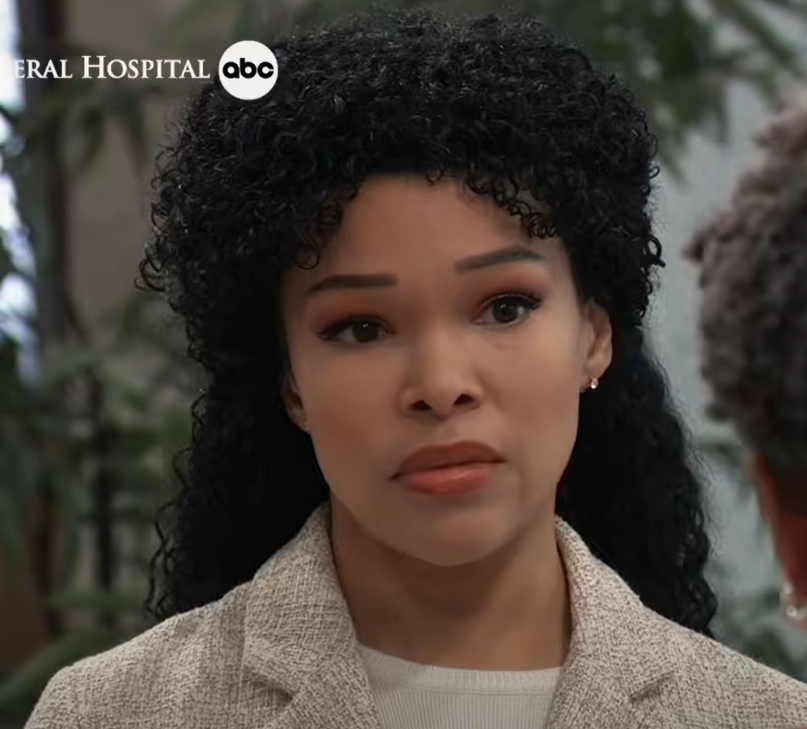
And when you strip away the noise, the misdirection, and the suspicious behavior, the answer becomes increasingly clear — Curtis Ashford is the father. The real mystery is not who the father is, but why the truth is being delayed.
From the moment Portia’s pregnancy was revealed, the narrative has been drenched in hesitation. Portia didn’t rush to confirm paternity. She didn’t demand clarity. Instead, she stalled. She deflected. And that alone tells us something crucial. If Isaiah were the obvious answer, the path would be simpler. Safer. Cleaner. But Portia’s silence suggests something far more complicated — a truth that would detonate multiple relationships at once.
Curtis, unlike Isaiah, represents emotional consequence. He represents history. He represents unfinished business. And most importantly, he represents stakes.
The show has gone out of its way to frame Curtis as the man with the most to lose. His reaction to the pregnancy isn’t casual curiosity — it’s visceral. His insistence on a DNA test isn’t about ego; it’s about instinct. Curtis feels connected to this child in a way that goes beyond logic. Soap operas rarely write that kind of emotional pull by accident.
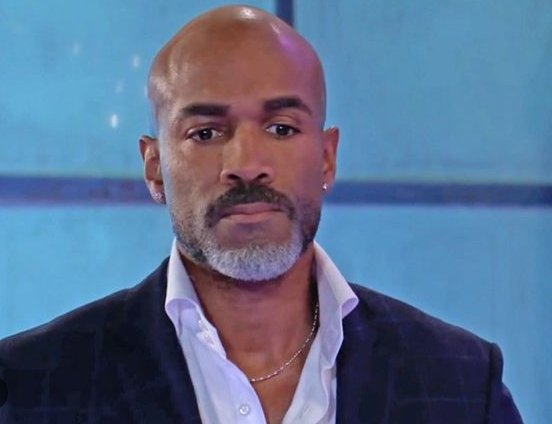
Then there’s the behavior surrounding the DNA test itself — which raises more red flags than it answers. Tests are delayed. Results are questioned. Files are allegedly altered. When soap operas start messing with DNA evidence, it’s almost never to confirm the obvious. It’s to hide the inevitable.
If Isaiah were the father, there would be no need for manipulation. No need for secrecy. No need for outside interference. Yet the storyline keeps introducing obstacles — not because the truth is unclear, but because the truth is dangerous.
Dangerous to Portia, who would be forced to confront the reality that she’s tied to Curtis in a way that can never be undone. Dangerous to Curtis, whose emotional world would be flipped overnight. Dangerous to the fragile balance of relationships around them — including Jordan’s continued involvement, which feels less coincidental by the week.
Jordan’s presence in this storyline is especially telling. Her proximity to the truth feels intentional, not incidental. She knows more than she says. And her choices — what she reveals, what she withholds — suggest she understands exactly what a confirmed paternity would unleash. Her actions don’t scream neutrality; they scream containment.
And then there’s Trina — the wildcard. Her discovery of altered information is not a random twist; it’s a narrative signal. Trina is often positioned as the moral compass in Portia’s life, the one character who cannot live with a lie once she sees it. If Trina uncovers proof that Curtis is the father, the fallout won’t be slow or controlled. It will be explosive.
That’s why the story is stretching. That’s why the reveal is being delayed. Because once Curtis is confirmed as the father, there is no going back. Every lie collapses. Every relationship is forced into the open. And Port Charles, once again, pays the price for secrets kept too long.
Soap operas thrive on inevitability. They don’t ask if the truth will come out — only how painful it will be when it does. And all signs point to one outcome: Curtis isn’t just a possibility. He’s the answer the story is afraid to say out loud.
The DNA isn’t wrong.
The instincts aren’t wrong.
The silence isn’t accidental.
Curtis is the father — and when the truth finally surfaces, it won’t just change one family. It will rewrite the power dynamics of Port Charles entirely.
