In General Hospital, suspicion is rarely born overnight — it grows quietly, fed by instinct, fear, and moments that don’t quite add up. For Lucas Jones, that moment arrives not with a gunshot or a dramatic confession, but with something far more chilling: the realization that Marco’s charm is a lie, and the man beneath it is far more dangerous than anyone imagined.

At first, Lucas’s concern is subtle. He senses tension around Britt, notices her guarded behavior, her sudden emotional distance, and the way she seems constantly on edge. Britt is not someone easily rattled, and Lucas knows that. Her discomfort becomes the first red flag — a silent warning that something is wrong, even if no one is saying it out loud yet.
That unease turns into full-blown suspicion when Lucas unexpectedly encounters Britt with Marco. The scene itself is not explosive, but it’s unsettling. Marco’s presence feels invasive, calculated. His tone is controlled, his body language precise — not affectionate, not casual, but possessive. Lucas doesn’t just see two people together; he sees a dynamic that feels off-balance and unsettling.
What truly disturbs Lucas is Marco’s reaction to being interrupted. The warmth vanishes instantly. The smile doesn’t just fade — it hardens. For a brief moment, Lucas catches something raw in Marco’s eyes: irritation, control, and a flash of something darker. It’s not anger born of emotion; it’s the anger of someone whose plan has been disrupted.
From that moment on, Lucas can’t unsee it. Marco’s behavior begins to reveal patterns — subtle intimidation, veiled threats disguised as concern, and an unsettling ability to manipulate the room without raising his voice. Marco doesn’t explode; he tightens the noose. And Lucas realizes that makes him far more dangerous.
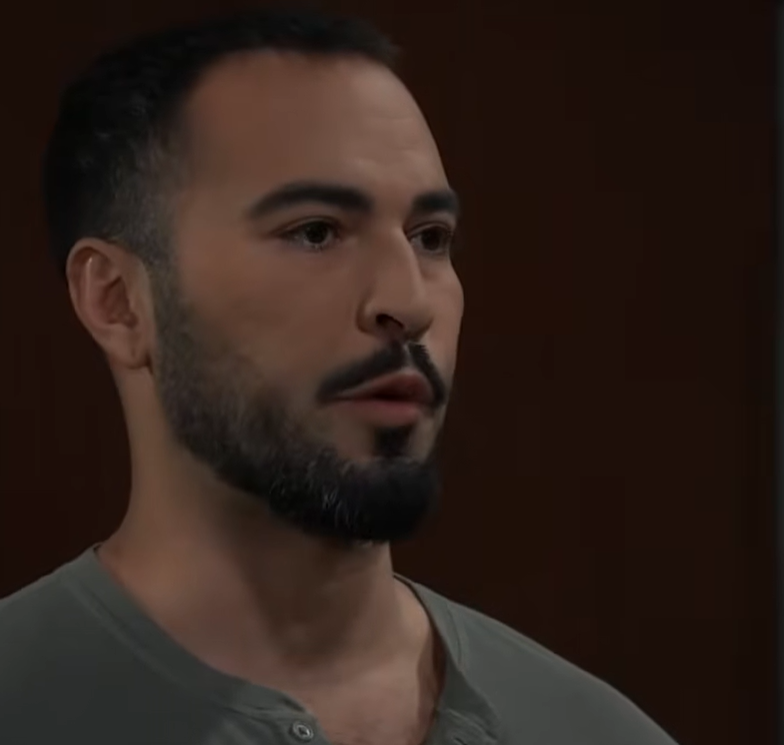
Lucas starts replaying past interactions, noticing how Marco dominates conversations, how he positions himself as indispensable, how others seem to orbit around his agenda without realizing it. Marco doesn’t force compliance — he engineers it. That realization shakes Lucas deeply, because it suggests long-term intent, not impulsive malice.
The most terrifying truth for Lucas isn’t just that Marco is dangerous — it’s that Marco knows exactly what he’s doing. He understands power, fear, and leverage. Every word is chosen. Every smile is a weapon. Marco isn’t reacting to chaos; he’s orchestrating it.
Lucas also begins to fear for Britt in a new way. This isn’t about romance or jealousy. It’s about control. Marco’s influence over Britt appears psychological, strategic, and deeply manipulative. Lucas senses that Britt may not even realize how trapped she’s becoming — and that realization fuels his urgency.

What makes Marco truly horrifying is that he operates in plain sight. He doesn’t hide in shadows or rely on brute force. He blends in. He disarms. And when someone finally sees the truth, it’s often too late. Lucas understands this instinctively, and it leaves him feeling isolated, unsure of who will believe him.
By the end of this arc, Lucas is no longer just suspicious — he is alarmed. He has seen behind the mask, and what he saw wasn’t just unsettling. It was calculated, cold, and predatory. Marco isn’t a temporary threat or a misunderstood villain. He is a long game player, and Lucas may be one of the first to realize just how high the stakes really are.
In Port Charles, danger doesn’t always announce itself. Sometimes it smiles politely, waits patiently, and strikes only when everyone else feels safe. Lucas has seen that truth now — and once you see it, there’s no turning back.
