In the January 30 episode of The Young and the Restless, Genoa City is shaken to its core when a decision made in silence explodes into full-blown horror. What begins as a quiet absence quickly turns into every parent’s worst nightmare, as Mariah Copeland disappears with baby Dominic, leaving Abby and Devon reeling. This isn’t a misunderstanding, a delay, or a simple lapse in communication. This is a line crossed—and the fallout is immediate, emotional, and devastating.
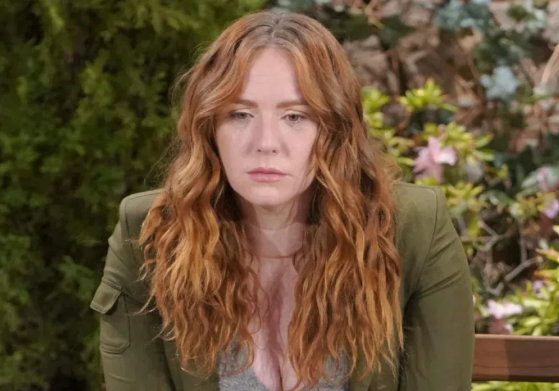
For Abby Newman, the realization hits like a physical blow. One moment, her world still feels fragile but intact. The next, her child is gone, and no one can tell her where—or why. Abby’s panic isn’t just maternal fear; it’s the terror of betrayal. Mariah wasn’t a stranger. She wasn’t an outsider. She was trusted, loved, and considered family. That’s what makes this disappearance so much more horrifying. Abby isn’t just searching for answers; she’s struggling to understand how the person she relied on most could do this.
Devon Hamilton’s reaction is just as visceral, but it takes a different shape. Where Abby spirals in fear, Devon locks into shock and disbelief. He wants logic. He wants an explanation that makes this make sense. But there isn’t one. The harder he tries to rationalize Mariah’s actions, the clearer it becomes that this wasn’t a simple mistake. Someone made a choice. Someone planned this. And that realization leaves Devon staring down a truth he never wanted to face.
Mariah’s actions are what truly upend the episode. This isn’t portrayed as a cartoonish kidnapping or a mustache-twirling villain moment. Instead, it’s chillingly quiet and disturbingly intimate. Mariah believes she’s doing what’s right. In her mind, she isn’t stealing a child—she’s protecting one. That warped sense of justification makes her infinitely more dangerous, because she doesn’t see herself as wrong. She sees herself as necessary.
The psychological tension deepens as the episode hints at what’s driving Mariah forward. She isn’t acting in a vacuum. Old trauma, unresolved guilt, and a powerful internal voice pushing her to “do the right thing” all collide. Whether that voice is memory, fear, or something darker, it’s clear that Mariah is no longer grounded in reality. She’s operating on emotion alone, and that makes every step she takes with Dominic even more alarming.
As Abby and Devon scramble for answers, the fear escalates when signs emerge that this disappearance may not be temporary. Evidence suggests Mariah isn’t just hiding out for a few hours. She’s moving. She’s planning. And with every passing minute, the possibility that Dominic could be taken far beyond their reach becomes more real. This is the moment where panic turns into desperation—and desperation turns into action.
The episode doesn’t offer easy relief or quick reassurance. Instead, it leans into the chaos. Abby is left questioning her own judgment. Devon is forced to confront the limits of trust. And the audience is left watching a family fracture in real time, knowing that even if Dominic is found, nothing will ever be the same again. This isn’t just about where the baby is. It’s about what’s been broken.
What makes this storyline especially powerful is its emotional realism. There are no overblown speeches or dramatic monologues explaining everything away. The horror comes from what isn’t said. From unanswered phones. From empty rooms. From the dawning realization that love and good intentions don’t always prevent devastating choices. Sometimes, they’re what lead to them.
By the end of the episode, one thing is painfully clear: this isn’t a short-term crisis. This is the beginning of a long, painful reckoning. Abby and Devon aren’t just fighting to get their child back—they’re about to face the truth about Mariah, about themselves, and about how fragile trust really is. Genoa City won’t recover from this easily, and neither will the people caught at the center of it.
