In the latest custody-war fallout on General Hospital, one decision signals a brutal shift in tone: Michael Corinthos is not turning to Diane Miller. Instead, Sonny Corinthos brings Ric Lansing into the fight. That choice isn’t about preference—it’s about escalation. When a dispute stops being legal and starts being tactical, the lawyer you choose becomes the message.
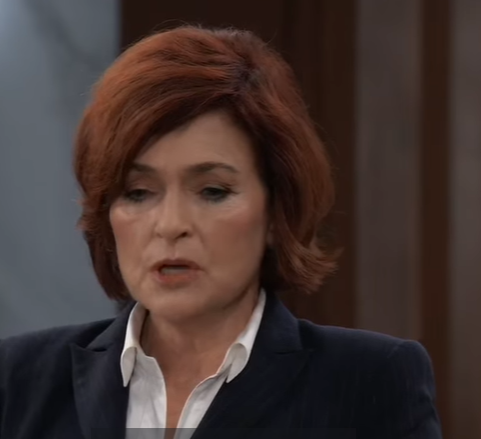
Diane Miller is the gold standard of clean wins. She argues precedent, ethics, and restraint; she protects her client’s image as fiercely as the outcome. In a typical custody case, Diane would be the obvious pick—measured, credible, and courtroom-perfect. But this case stopped being typical the moment Willow weaponized emotion and leverage. When the rules are bent, a by-the-book champion can become a liability.
Michael’s reaction to Willow’s maneuvering is the fulcrum. He doesn’t just get angry—he recognizes the pattern. What he sees isn’t desperation; it’s strategy dressed as motherhood. That clarity hardens his posture. Michael understands that responding with polite procedure invites further manipulation. To stop a tactic-driven opponent, you need a counterpuncher, not a referee.
That’s where Ric Lansing enters. Ric isn’t chosen because he’s safer; he’s chosen because he’s sharper in the gray. He knows how to dismantle pressure plays, expose coercion, and flip leverage back onto the person applying it. Ric doesn’t flinch at ugly truths or uncomfortable arguments. If the opposition is comfortable living in moral fog, Ric knows how to clear—or exploit—it.
The decision also sidesteps a dangerous ethical knot. Willow’s approach pulled Alexis Davis into an impossible bind, dragging professional integrity into a family minefield. Diane’s close alignment with ethics-first lawyering—and her ties within that orbit—risk turning the case into a referendum on morality rather than a contest of proof. Ric arrives unburdened by those constraints. He can press where others hesitate.
Sonny’s role is decisive and deliberate. He isn’t merely supporting Michael; he’s reframing the battlefield. When Sonny chooses Ric, he signals that the gloves are off and the margins are gone. This is no longer a mediation or a values debate. It’s a power contest where outcomes matter more than optics—and where intimidation is replaced by precision.
The optics, however, are exactly the point. Hiring Ric tells Willow that emotional pressure will be met with surgical exposure. It tells the court that theatrics won’t go unanswered. And it tells Port Charles that this family won’t pretend a dirty play is anything else. The move isn’t loud; it’s cold. And that’s why it lands.

What makes this pivot so dark is how it intertwines law, ethics, and family. Children sit at the center, yet every adult decision pulls them further into the crossfire. Ric’s presence doesn’t make the fight uglier—it reveals that it already is. The question isn’t whether the case should be clean; it’s whether pretending it is does more harm.
For Michael, this is maturity forged by clarity. He stops reacting and starts planning. He understands that preserving the future sometimes requires confronting the present without illusions. Ric gives him the tools to do that—tools Diane, by design, avoids. That isn’t an indictment of Diane’s skill; it’s a recognition of the moment.
In the end, this twist isn’t about sidelining Diane Miller. It’s about acknowledging reality. Willow crossed into tactical pressure. Michael saw it. Sonny answered it. And Ric Lansing became the instrument of that answer. On General Hospital, when the lawyer changes, the story changes with him—and this one just turned much darker.
