This storyline is no longer about who pulled the trigger. It has evolved into something far more unsettling: a moral fracture at the center of the narrative. Jason’s decision to take the fall for Rocco isn’t just a legal maneuver, it is a psychological gamble with consequences that may echo far beyond this moment. What looks like protection on the surface may, in reality, be the beginning of a much darker chain reaction.
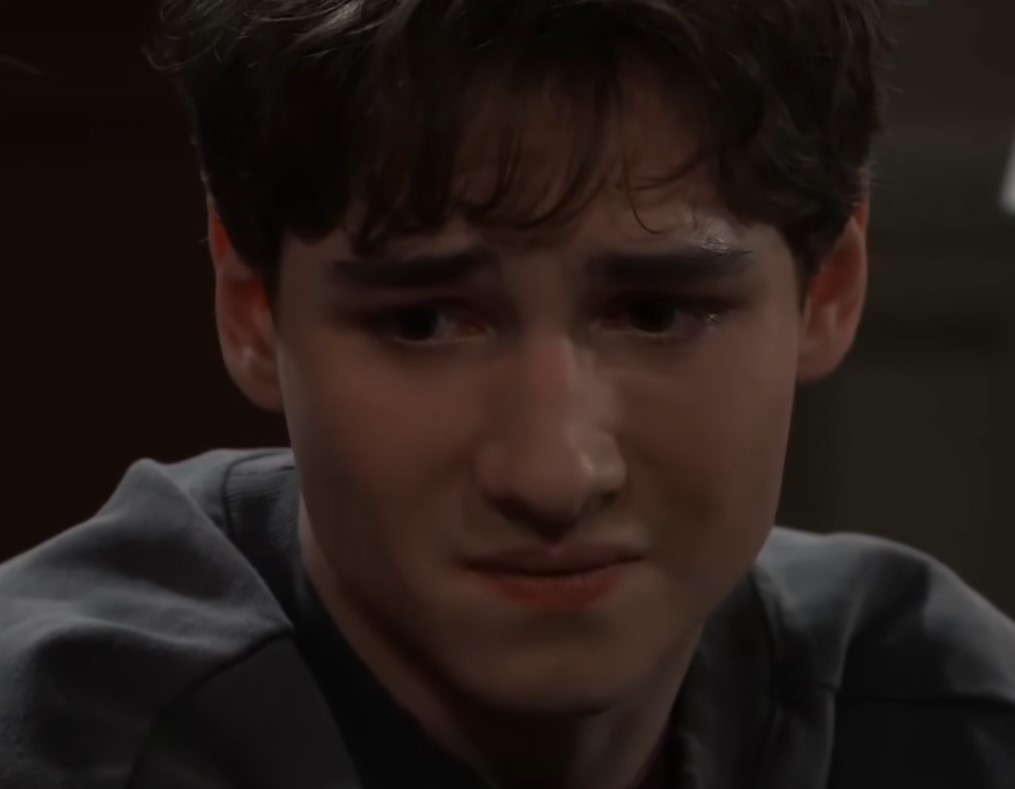
The audience is now sharply divided into two opposing camps, each convinced they are right. One side argues that the truth should come out immediately. To them, Rocco is not a criminal but a hero who acted in defense of Jason and Britt. From this perspective, the entire cover-up feels unnecessary, even frustrating. If the truth were told, the legal system could recognize the shooting as justified, and the entire situation could resolve without destroying multiple lives. This group sees honesty as the only path that prevents further damage.
On the other side are fans who believe the cover-up is not only justified but necessary. They point out that Rocco’s history of reckless behavior and the involvement of powerful forces like the WSB complicate everything. In their eyes, Jason is not lying—he is protecting a child from a system that may not show mercy. More importantly, Jason is acting from experience. He has seen what happens when the truth goes wrong, and he is determined not to let Rocco suffer the same fate as Michael once did. This isn’t deception for selfish reasons. It is protection born from trauma.
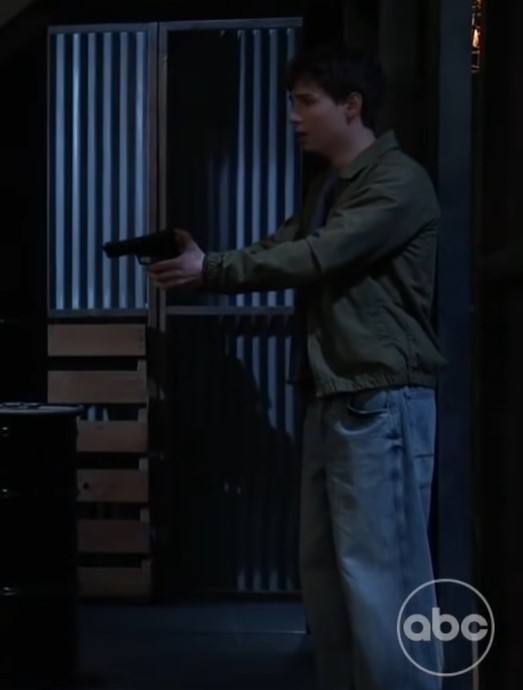
At the center of this conflict lies the most haunting question of all: is Jason saving Rocco, or is he destroying him? On a legal level, Jason’s choice is undeniably protective. By taking responsibility, he shields Rocco from immediate consequences and removes him from the spotlight. This is the kind of sacrifice that defines Jason’s character—silent, absolute, and unwavering. He is willing to lose everything if it means Rocco walks free.
But emotionally, the damage may already be done. Rocco is not a detached observer in this situation. He knows what he did, and more importantly, he understands what Jason is doing for him. That awareness changes everything. Instead of being told he acted bravely, Rocco is now forced to carry a secret that reframes his actions as something shameful. The weight of knowing that someone else may go to prison because of him could become unbearable. What was a moment of instinctive heroism is being transformed into a lifelong burden.
This is where the story shifts from crime drama into psychological tragedy. Rocco’s silence is not peace, it is pressure. Every passing moment deepens the internal conflict. He is not just hiding the truth from the world, he is hiding it from his own father. And that creates a fracture that cannot hold forever. The guilt will not fade. It will grow, evolve, and eventually demand release. The question is not if Rocco will break, but when.
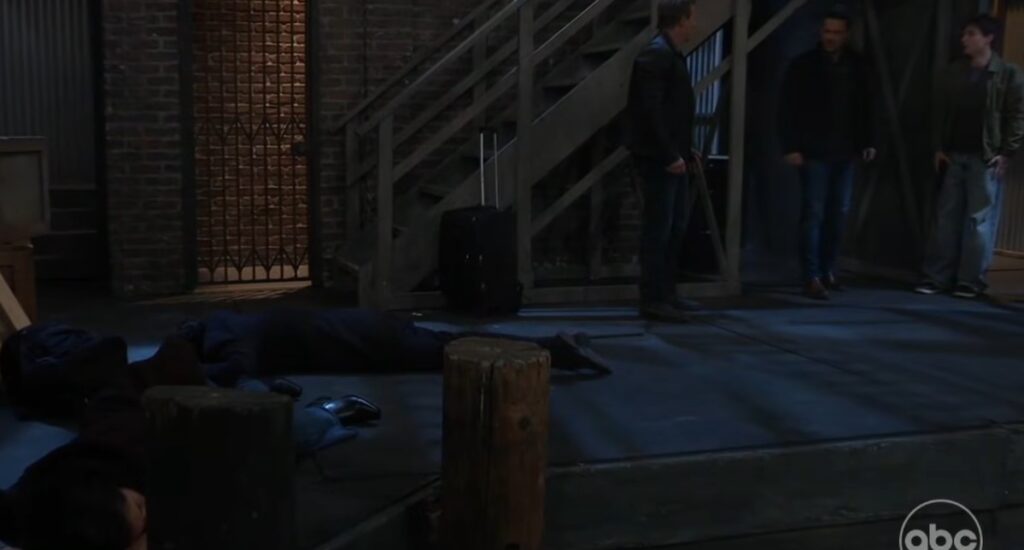
Many fans already believe they see the trajectory unfolding. Jason will take the fall, possibly even go to prison, creating the illusion that the situation is under control. But Rocco’s conscience will not allow the lie to stand. When the truth finally comes out, it won’t just clear Jason’s name—it will expose the emotional cost of the decision. By then, the damage will already be done. The guilt, the betrayal, the broken trust—those are not things that can be undone with a confession.
And then there is Dante, the one person completely left in the dark. When he eventually learns the truth, the fallout could be explosive. As a father, he will be devastated that his son carried such a burden alone. As a cop, he will be furious that the truth was deliberately hidden from him. And as someone who already has a complicated relationship with Jason, he may struggle to see the sacrifice as anything other than manipulation. This revelation has the potential to shatter multiple relationships at once.
What makes this storyline so compelling is that there is no clear right answer. Jason’s choice is both noble and dangerous, protective and destructive. He saved Rocco from immediate consequences, but he may have set him on a path toward something far worse. In trying to prevent one tragedy, he may have created another.
Because in the end, the real question isn’t whether Jason did the right thing. It’s whether Rocco can survive the weight of what that “right thing” has become.
