It didn’t take a scandal, a crime, or a betrayal to put Chase and Brook Lynn’s future at risk. It took one unexpected moment, one innocent interruption, and one question that landed at the worst possible time. Just when they were standing on the edge of finally building the family they had fought so hard for, everything shifted. The dream of fostering Phoebe, something that once felt so close, now suddenly feels fragile, uncertain, and possibly out of reach.
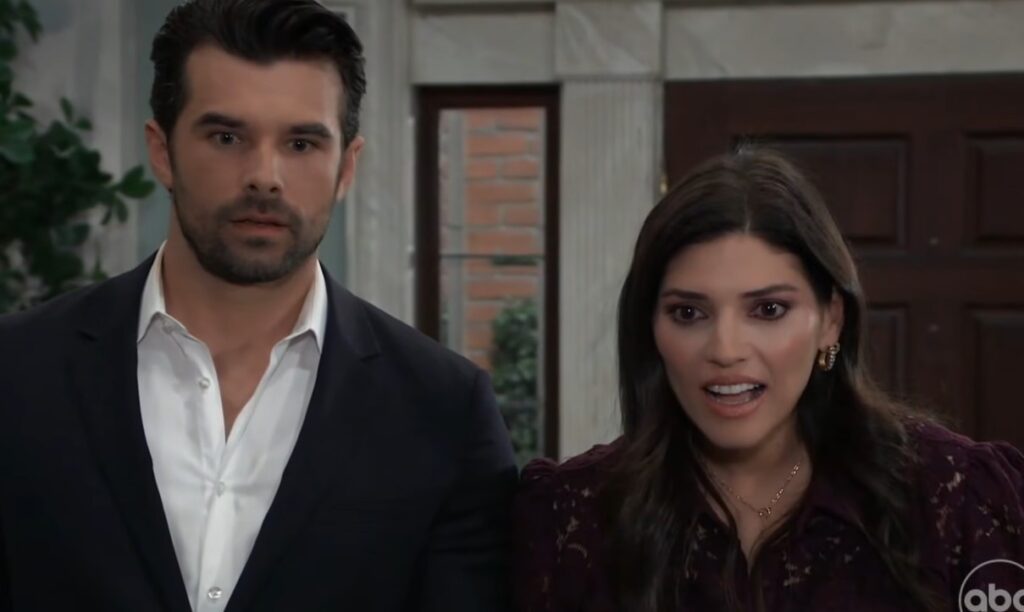
The moment itself was almost surreal in its timing. As Chase and Brook Lynn sat down with the social worker for what should have been a critical step toward approval, the atmosphere was already tense but controlled. This was their chance to prove they were stable, capable, and ready. Then Wiley walked in and asked a question that instantly shattered that carefully constructed image. In a single sentence, the room fell silent. There was no preparing for it, no easy way to redirect it, and no way to undo what had just been said.
What makes this moment so dangerous is not the question itself, but what it represents. To an outsider, especially someone tasked with evaluating a home for a child, it is not simply a child being curious. It becomes a red flag. It suggests that conversations meant to be private are being overheard, that boundaries may not be firmly in place, and that the environment might not be as controlled or protected as it should be. For a social worker, those details matter. They are not looking for perfection, but they are looking for consistency, awareness, and the ability to shield a child from adult complications.
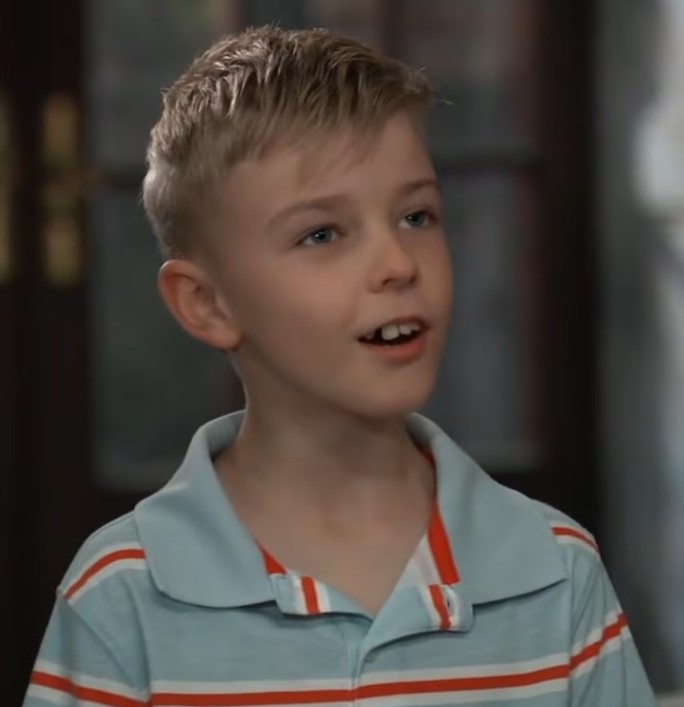
And that is where the situation becomes even more complicated. Wiley did not create the problem. He exposed it. The real issue traces back to the adults in the room, particularly Olivia, whose careless choice of words set everything in motion. In a house where tensions are already high and opinions often clash, one poorly timed comment was all it took. The irony is impossible to ignore. The same concerns about protecting children from inappropriate influence now circle back to the very people who failed to uphold that standard in the first place.
The social worker’s presence makes this incident far more than an awkward family moment. This was an evaluation, a test that Chase and Brook Lynn needed to pass. Every reaction, every explanation, every emotional response matters. When a situation like this unfolds in real time, it forces them into a position where they must respond under pressure. Do they stay calm, offer a thoughtful explanation, and demonstrate control, or do they falter and reinforce the concern that their home may not be the right environment for a vulnerable child?
That question now hangs over everything. Even if they attempt to recover, the damage may already be done. First impressions in situations like this are powerful, and once doubt is introduced, it is difficult to erase. The social worker may begin to question not just this moment, but the overall dynamic of the household. Is this a place where a child can feel safe, guided, and protected, or is it a place where adult issues constantly bleed into the lives of the youngest and most impressionable?
There is still a possibility that Chase and Brook Lynn can salvage the situation. A strong, measured response could show maturity and awareness. They could acknowledge the mistake, take accountability, and demonstrate that they understand what is at stake. But the reality remains that they are no longer being evaluated from a position of strength. They are now trying to repair a perception that has already been shaken.
What makes this twist so compelling is that it was never about a child saying the wrong thing. It was about what that moment revealed beneath the surface. The illusion of control, the idea that everything was ready and in place, was broken in an instant. And once that illusion is gone, it forces everyone watching, including the social worker, to see the situation differently.
In the end, this may be the moment that defines everything. Not because Wiley asked a question, but because that question exposed a truth that could not be ignored. Chase and Brook Lynn may have believed they were ready to welcome Phoebe into their lives, but readiness is not just about intention. It is about environment, awareness, and the ability to protect a child from the chaos of the adult world. And right now, that is exactly what is being called into question.
