Cassius didn’t just keep quiet about what happened that night—he made a deliberate choice to bury the truth. He knew Rocco was the one who shot Cullum, and yet he said nothing to Sidwell, nothing to the PCPD, and nothing that could clear Jason’s name. In a world where information is power, silence like this is never accidental. It’s strategy. And the moment Cassius chose to protect that secret, he stopped being just a pawn in Sidwell’s game and became something far more dangerous.
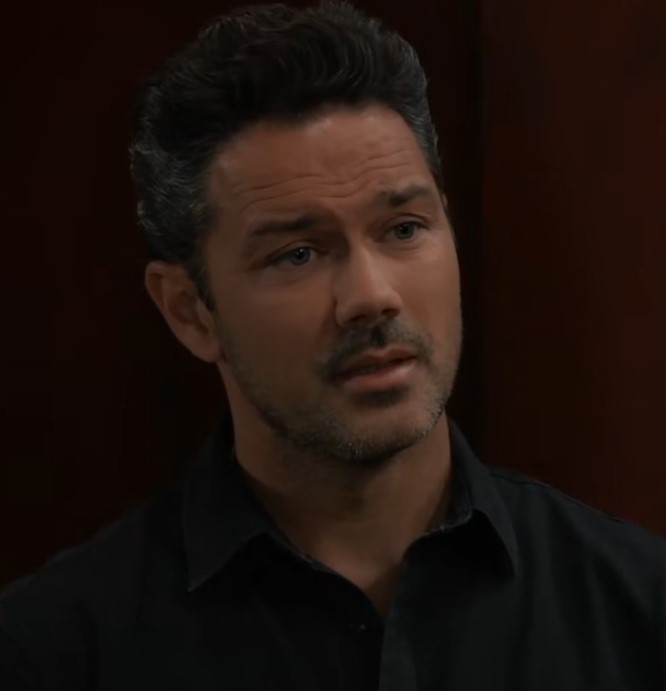
On the surface, it looks like a simple act of protection. A child made a mistake, and an adult stepped in to shield him from consequences. But that explanation falls apart the moment you look at who pays the price. By hiding Rocco’s involvement, Cassius allows the narrative to shift toward Jason as the shooter. The truth doesn’t just disappear—it gets replaced. And in that replacement, Jason becomes the perfect fall guy. This wasn’t about saving Rocco. It was about deciding who would take the blame.
If this was purely about strategy, then the logic is cold but clear. Jason is Sonny’s strongest ally, the one man who can stand between Sidwell and total control. Remove Jason from the board, and Sonny becomes vulnerable. By keeping Rocco out of the equation, Cassius ensures that Jason remains the prime suspect, tying up law enforcement resources and weakening Sonny’s position at the same time. It’s not just a cover-up. It’s a calculated move to shift the balance of power.
But there’s another layer that complicates everything—Lulu. Cassius doesn’t just protect Rocco; he actively discourages Lulu from digging deeper, urging her to let the situation go. That choice feels different. It’s not tactical, not entirely. It suggests hesitation, even conflict. For the first time, Cassius isn’t just executing a plan—he’s reacting to emotion. Protecting Rocco means protecting Lulu from the truth, and that introduces a fracture in the clean, controlled operation Sidwell expects.
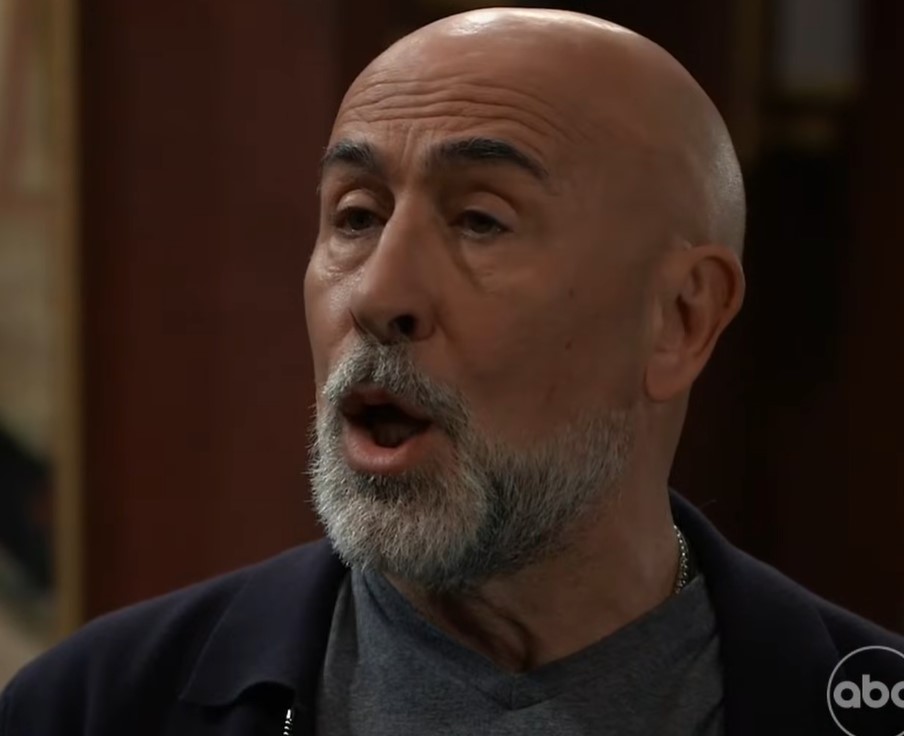
That fracture is where things become unpredictable. Because Cassius isn’t fully aligned with Sidwell anymore, but he’s not opposing him either. He’s walking a line between obedience and independence, between mission and instinct. He keeps the secret from Sidwell, which suggests disloyalty, but he also allows Jason to remain the scapegoat, which still serves Sidwell’s broader agenda. That’s not hesitation. That’s a double game.
And that double game reveals something even more unsettling. By holding back the truth, Cassius is creating leverage. He becomes the only person who knows what really happened, the only one who can rewrite the story at any moment. That gives him control—not just over Jason’s fate, but over Lulu, Dante, and even Sidwell. Information like that isn’t just a secret. It’s a weapon waiting to be used.
What makes this situation truly dangerous is that Cassius is no longer operating within a single role. He’s not just Sidwell’s embedded agent, and he’s not simply a man developing unexpected feelings. He’s both—and neither. Every decision he makes now carries multiple motivations, and every action serves more than one possible outcome. That kind of instability doesn’t weaken him. It makes him impossible to predict.
In the end, the question isn’t why Cassius protected Rocco. The real question is why he chose to let Jason take the fall. Because that decision reveals the truth behind everything—this was never about protecting an innocent. It was about controlling the narrative, controlling the damage, and ultimately controlling who would pay for it. And if Cassius is willing to sacrifice Jason to maintain that control, then this story isn’t heading toward justice. It’s heading toward something far more calculated—and far more dangerous.
