From the second the crash aired on General Hospital, the audience reacted exactly how the writers expected. Jordan and Curtis were instantly blamed. They were distracted, they weren’t watching the road, and the moment felt reckless and preventable. On the surface, it looks simple—two people made a mistake, and the consequences came crashing down in seconds. But that reaction might be the biggest clue of all. Because when a scene feels that obvious, that clean, that easy to judge… it usually isn’t the real story.
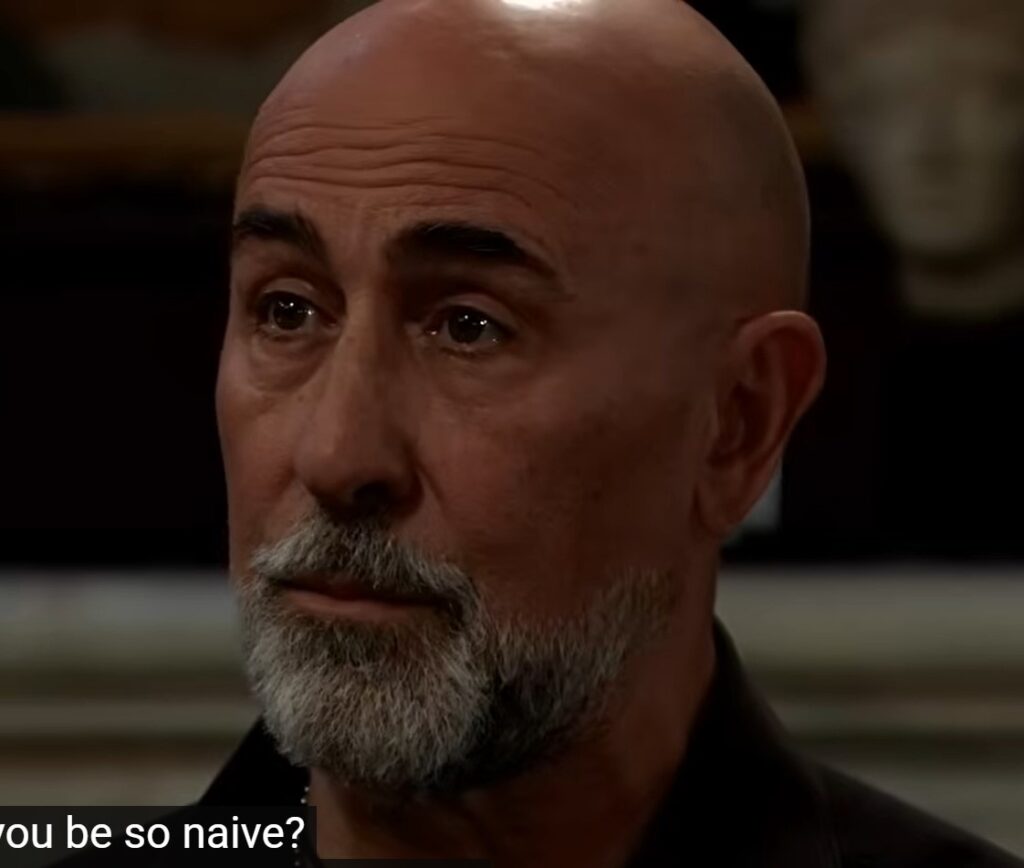
The sequence itself was crafted to guide perception. The camera lingered on their intimacy, emphasizing the distraction, making sure viewers locked onto that single detail. It framed the crash as a direct result of their behavior. And it worked. Fans immediately filled in the blanks, assigning blame and closing the case before even seeing the full picture. But that’s exactly how misdirection works. The more attention you pay to what’s in front of you, the less you question what’s missing behind it.
And what’s missing is everything. The other car was never clearly shown. The angle of impact was obscured. The only visual given was a pair of headlights charging forward—no identity, no confirmation, no context. That’s not an accident in storytelling. That’s a deliberate omission. When a show hides key information in a major event, it’s not because it doesn’t matter. It’s because it matters more than anything else.
That’s where the real twist begins to take shape. A single line echoes louder than the crash itself: “GET RID OF HER. PERMANENTLY.” That isn’t random dialogue. That’s intent. That’s a directive. And when that line is placed in the same narrative window as a sudden, violent crash, the connection becomes impossible to ignore. This wasn’t chaos. This was execution disguised as coincidence.
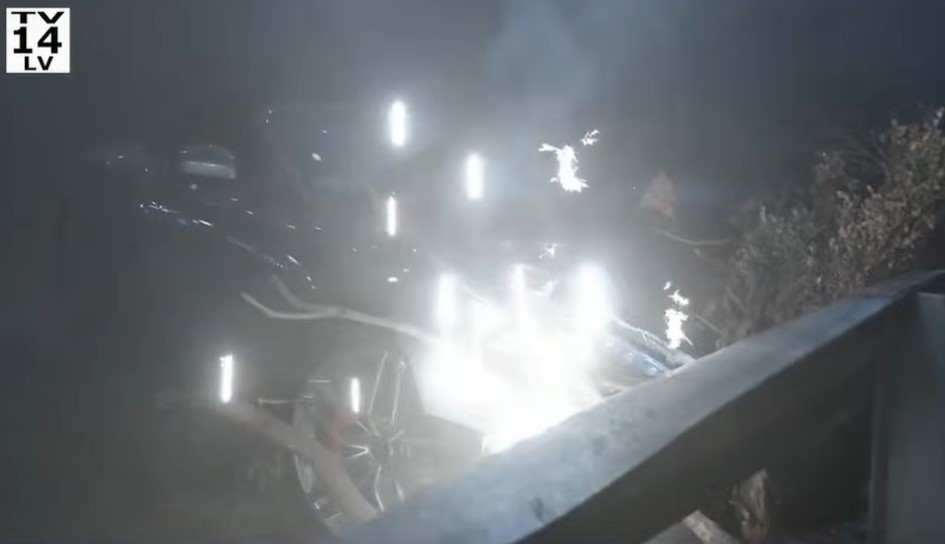
If you follow that thread, the accident stops being about distraction and starts becoming about control. Because what if Jordan didn’t lose control of the car? What if the car was never meant to be controlled? A brake failure changes everything. A cut line, a tampered system, a silent sabotage before the engine even started. In that scenario, the crash wasn’t caused in the moment—it was set in motion long before they ever got in the vehicle. And suddenly, Jordan and Curtis aren’t reckless. They’re walking into a trap they were never supposed to escape.
This is where Sidwell steps out of the shadows without ever appearing on screen. Because this is his pattern. Manipulation, misdirection, and long-game strategy. If he wanted someone gone, he wouldn’t leave it to chance. He would design it so perfectly that no one would even question it. And what better cover than a “distracted driving accident”? It creates a built-in scapegoat. It ensures the victims are blamed. And it keeps the real architect completely invisible.
The brilliance of this setup is how it layers confusion. Fans are busy debating who was in the other car—Danny and Charlotte, Isaiah, Brook Lynn—pulling focus in every possible direction. That chaos isn’t accidental. It’s part of the design. The more theories spread, the further the truth gets buried. Because the real question was never about the second car. It was always about who made sure the crash would happen in the first place.
And that opens the door to the most chilling possibility of all: what if Jordan wasn’t even the intended target? What if “HER” refers to someone else entirely—someone connected to that night, that route, that timing? Portia, with her high-stakes pregnancy. Another player tied to Sidwell’s growing web. Or worse, what if this was a calculated risk, where anyone in that car was expendable as long as the message was sent?
This turns the crash into something far bigger than a single event. It becomes a trigger point. A domino that sets off consequences across multiple storylines. Injury, blame, guilt, secrets exposed. Relationships fractured. And at the center of it all, a villain who never had to lift a finger in the scene itself. Because the most dangerous move isn’t the one you see—it’s the one that’s already been completed before the story even begins.
So yes, Jordan and Curtis looked distracted. Yes, it looked like their fault. But that may be the biggest illusion of all. Because this wasn’t just a mistake on the road. It was a perfectly staged cover. And while everyone is still arguing about who caused the crash… Sidwell may already be moving on to his next target.
