What started as a tragic accident on Route 91 is no longer being treated as random misfortune. The moment Curtis described what happened, the narrative shifted. A car that hits with that level of force doesn’t just disappear unless the driver makes a choice — to flee. There were no signs of hesitation, no attempt to stop, no instinct to help. That alone reframes everything. This wasn’t just a crash. It carries the chilling possibility of intent, or at the very least, a panicked decision that turned a mistake into a crime.
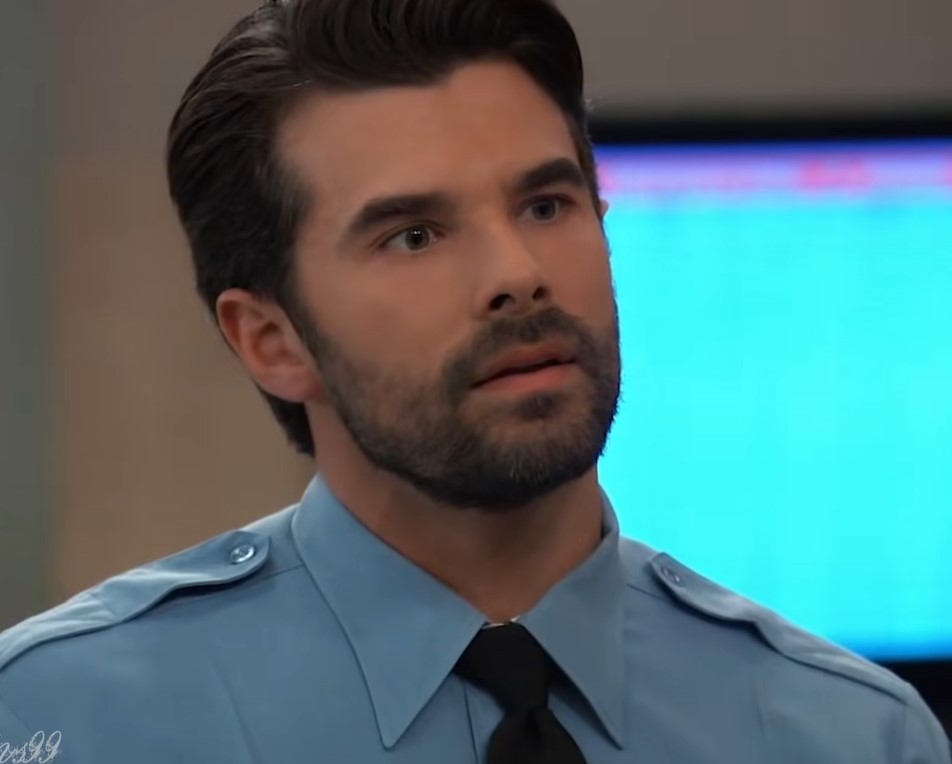
Curtis’s account to Chase may have sounded straightforward on the surface, but the details he chose to emphasize — and the ones he didn’t — matter more than anything. He insisted everything happened fast, that he couldn’t clearly see the driver. But what stood out was his certainty: the other car didn’t even try to stop. That detail lingers. It suggests awareness. It suggests the driver knew exactly what they had done and chose to leave anyway. Whether Curtis realizes it or not, that single observation transforms him from victim into the key witness of something far more deliberate.
For Chase, this is where instinct takes over. He’s not just listening as a friend — he’s processing as a cop. Timing, location, trajectory — these are puzzle pieces he’s trained to assemble. Route 91, the congestion, the chaos caused by the crash… it all creates a narrow window where someone could have been there and then disappeared. And once Chase begins connecting those dots, the case stops being abstract. It becomes personal, urgent, and dangerously close to resolution. Because in investigations like this, it’s never the obvious clue that breaks the case — it’s the inconsistency.
That’s where everything begins to tilt toward Brook Lynn. Her reaction to the mention of the accident wasn’t just concern — it was visible shock, something deeper than sympathy. It was the kind of reaction that comes from recognition, not just fear. Then comes the timeline. She was out. She was moving between locations. And crucially, she could have been near Route 91 at the exact moment everything happened. None of these elements alone prove anything. But together, they begin to form a pattern that’s impossible to ignore.
The most compelling — and devastating — possibility is that this wasn’t intentional. That Brook Lynn didn’t set out to hurt anyone. But accidents don’t end stories — reactions do. If she panicked, if she drove away in shock, then she didn’t just leave a crash behind. She left Curtis and Jordan fighting for their lives. That’s the kind of decision that doesn’t stay buried, no matter how much time passes. Because the truth in situations like this has a way of resurfacing through the smallest, most overlooked details.
And tragically, the person most likely to uncover those details is Chase himself. He stands at the center of two worlds that are about to collide. As a detective, he follows evidence wherever it leads. As Brook Lynn’s husband, he has everything to lose if that path leads to her. This is where the story stops being about a hit-and-run and becomes something far more brutal. Because the real conflict isn’t whether Chase can solve the case. It’s whether he can live with the answer once he does.
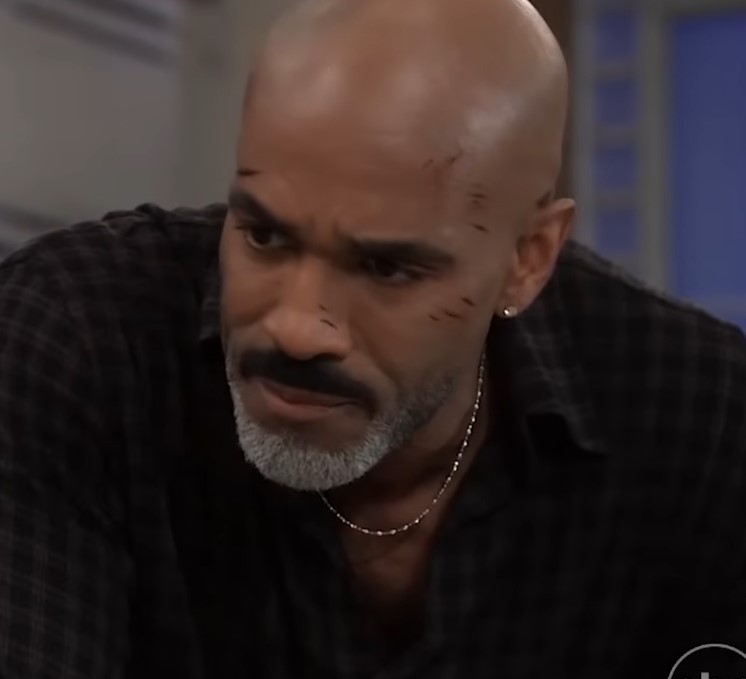
Then there’s Isaiah — the wildcard no one is paying enough attention to. His reaction to Portia’s casual comment about the crash wasn’t normal. It was immediate, visceral, almost like recognition. That suggests he may have seen something on the road earlier, something he hasn’t said out loud yet. If Isaiah holds even a fragment of the truth — a passing car, a moment, a detail — he could become the final piece that confirms what Chase is only beginning to suspect.
All of these threads are tightening at the same time, pulling the story toward an inevitable collision. Curtis has unknowingly set the investigation in motion. Chase is following the trail with growing clarity. Brook Lynn is standing at the center of a storm she may not even realize is forming. And Isaiah could be the one who brings it all crashing down. The truth is no longer distant. It’s approaching fast, and when it finally surfaces, it won’t just expose a driver. It will shatter trust, loyalty, and everything these characters thought they understood about each other.
Because this was never just about a car crash. It was about one moment, one decision, and the devastating chain reaction that follows when someone chooses to drive away.
