The moment Brook Lynn held baby Phoebe should have been the beginning of everything she had been longing for. A stable family, a future with Chase, and a second chance to embrace motherhood in a way she never could before. The Quartermaine house was filled with warmth, celebration, and hope. But beneath that perfect surface, something far darker had already been set in motion. Because while everyone else was focused on Phoebe’s arrival, Brook Lynn’s mind was quietly replaying a moment she could no longer ignore.
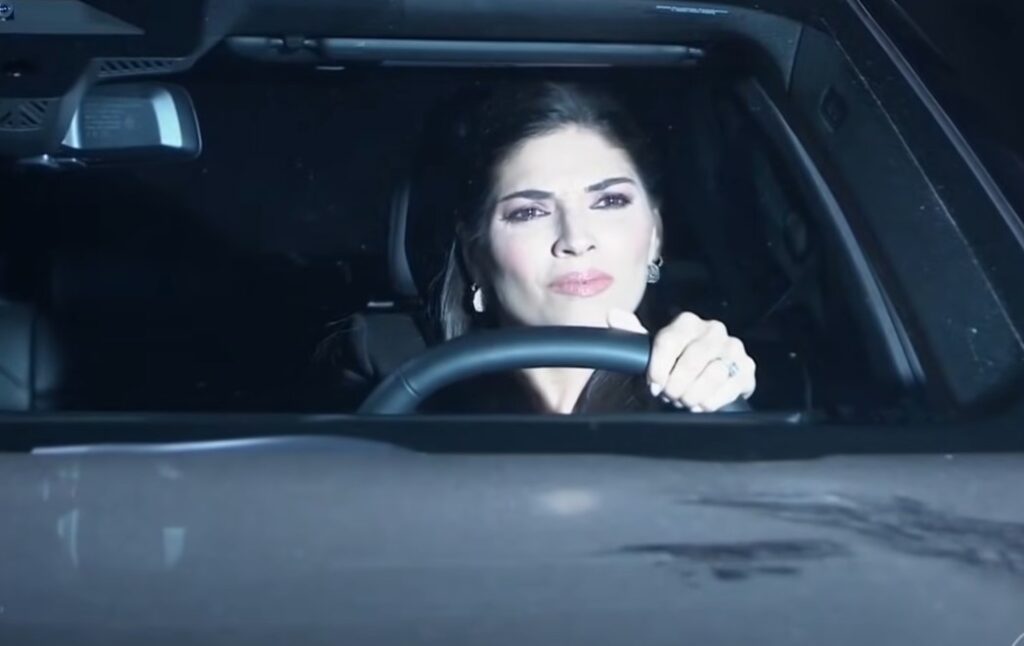
It wasn’t the crash itself that triggered her fear. It was the detail that came before it. A glass of wine. A rushed decision. A night that seemed harmless at the time but now feels loaded with consequences. The show made a deliberate choice to highlight that drink, to linger just long enough for viewers to question it. And then came the flashback: headlights rushing toward her, the sound of a horn, the instinctive swerve. These were not random fragments. They were carefully planted clues, suggesting that what Brook Lynn did before the accident may matter more than the accident itself.
This is where the theory becomes truly unsettling. Brook Lynn may not have directly caused Jordan’s crash. There is still no definitive proof that she crossed into another lane or made contact with another vehicle. But that doesn’t mean she is innocent. Driving after drinking, even slightly, changes everything. Reaction time slows. Judgment blurs. One small miscalculation is all it takes to create chaos on the road. If Brook Lynn hesitated for even a second too long, or drifted just slightly out of place, she could have triggered the chain reaction that led to disaster.
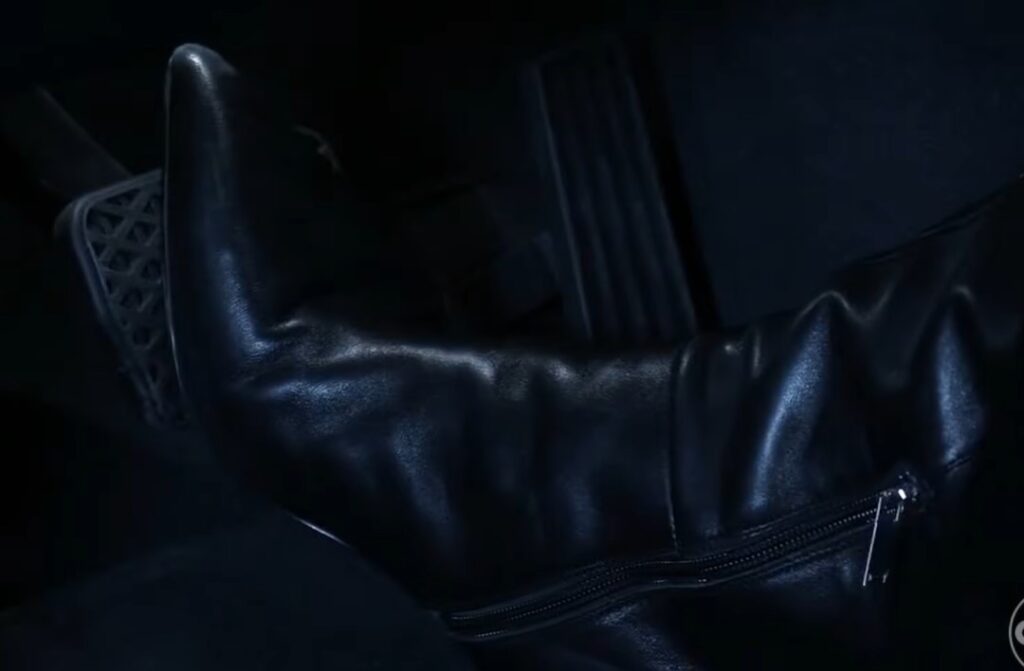
And that is the real danger of this storyline. It shifts the focus away from a simple “who caused the crash” question and into something much more complex. Because even if Brook Lynn never touched Jordan’s car, the possibility that she contributed to the situation is enough to destroy her. In the eyes of the law, and more importantly in the eyes of those reviewing her ability to care for a child, that distinction may not matter at all. The fact remains that she made a reckless choice, and that choice could now define her future.
The consequences are devastating, especially when it comes to Phoebe. Foster and adoption cases demand stability, responsibility, and a clean record. If any hint of impaired driving or involvement in a potential hit-and-run surfaces, Brook Lynn’s chances could disappear instantly. What should have been a joyful new chapter could be ripped away before it even begins. The cruel irony is impossible to ignore. The same night that set her on the path to becoming a mother may also be the night that ensures she never gets that chance.
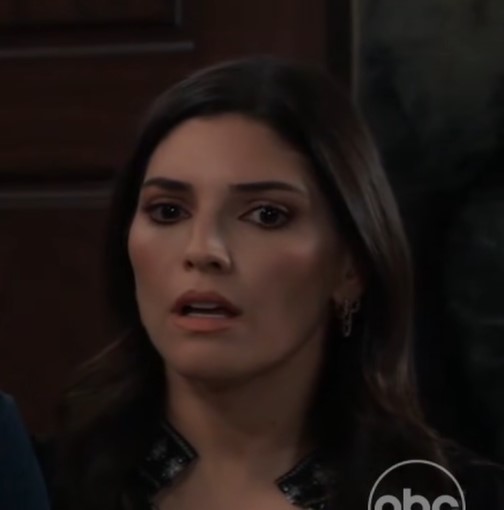
Chase’s position only complicates things further. As a law enforcement officer, he is sworn to uphold the truth. As Brook Lynn’s husband, he is emotionally bound to protect her. If he discovers that she was drinking and driving, or worse, that she may have been connected to the crash, he will be forced into an impossible choice. Does he follow the law and risk losing her, or does he stand by her and risk losing himself? This tension has the potential to fracture their relationship in ways they may not recover from.
Meanwhile, the Quartermaine family may not be as supportive as Brook Lynn hopes. While they have welcomed Phoebe with open arms, their loyalty has limits. If scandal threatens the family’s reputation or the child’s safety, alliances could shift quickly. Michael, Tracy, and even Olivia may begin to question whether Brook Lynn is truly ready for the responsibility she is claiming. In a household built on power and perception, one mistake can change everything.
But perhaps the most destructive force of all is not legal or social. It is psychological. Brook Lynn is already starting to question herself. The flashbacks are not just memories; they are seeds of doubt. Even if she is ultimately proven innocent, the belief that she might have caused harm could consume her. Guilt has a way of rewriting reality, turning uncertainty into conviction. And once that spiral begins, it becomes nearly impossible to stop.
What makes this storyline so compelling is that it may not even matter what the truth is. Whether Brook Lynn caused the crash, contributed to it, or simply happened to be there at the wrong time, the damage is already unfolding. The writers have created a situation where perception is just as powerful as fact. One small decision, one overlooked detail, is enough to unravel everything she has built.
Brook Lynn didn’t see the crash happen. She may never know exactly what role she played. But one thing is becoming painfully clear. The night she thought meant nothing may end up costing her everything.
