Willow believed she had finally taken control of the board. With Drew silenced inside his own body and Nina trapped by a syringe carrying her fingerprints, it looked like a flawless strategy. In her mind, blackmail wasn’t just protection—it was power. She wasn’t reacting anymore; she was dictating the game. But what Willow failed to realize is that the very moment she tightened her grip was the exact moment everything began to slip through her fingers. What looked like control was actually the trigger for collapse.
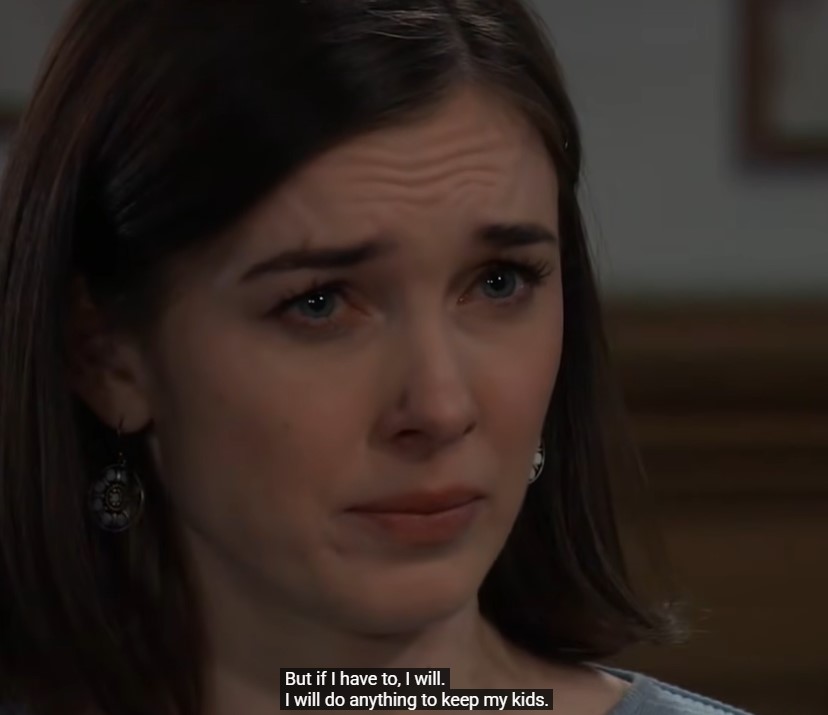
The first and most critical mistake Willow made was underestimating Nina. She assumed fear would keep Nina obedient, that guilt and desperation would make her compliant. But Nina is not weak, and she is certainly not inexperienced. This is a woman who has survived emotional devastation, manipulation, and loss. By treating Nina like a pawn, Willow misread her entirely. And in stories like this, the biggest downfall always begins with misjudging the wrong person.
By blackmailing Nina, Willow didn’t just secure leverage—she destroyed the last fragile bond between them. Before this moment, Nina still had emotional reasons to protect her daughter. There was love, guilt, and a deep desire to hold on to what little family she had left. But blackmail changes everything. It turns love into resentment, fear into calculation. In one move, Willow didn’t just gain control—she created an enemy with nothing left to lose. And that is far more dangerous than any threat.
The irony is that the very tool Willow is using to control Nina could easily become the evidence that destroys her. The syringe is not just leverage—it is a physical link to the crime. If Nina decides to turn, that single object becomes a chain reaction of proof. What Willow sees as protection is actually exposure waiting to happen. The smarter she believes she is, the more she is unknowingly building the case against herself.

At the same time, Willow has made a far more dangerous oversight—Drew. She sees him as powerless, a body without agency, someone who can no longer interfere. But Drew is not gone. He hears everything. He knows the truth. And all it takes is one moment—one missed dose, one flicker of awareness, one person noticing his attempts to communicate—and everything changes. Willow thinks she eliminated the threat, but in reality, she left a witness in the room.
Her plan is also collapsing under the weight of too many loose ends. Nina knows. Drew knows. Trina and Kai know pieces of the truth. Possibly others are already suspicious. The more people who hold fragments of the same secret, the harder it becomes to contain it. Control requires silence, and silence is already breaking. Willow is no longer managing a secret—she is trying to contain a leak that is spreading faster than she can handle.
What truly seals Willow’s mistake is how much she revealed. She didn’t just act—she confessed. She explained the drug, the plan, the reasoning. In doing so, she handed Nina not just suspicion, but knowledge. And knowledge is power. A truly calculated player never shows all their cards. Willow didn’t just show them—she laid them out in full view, believing no one could challenge her. That overconfidence is the crack that will eventually shatter everything.
As Willow pushes further, her need for control will only escalate. More manipulation, more lies, more desperate moves to keep everything in place. But the tighter she holds on, the more unstable her situation becomes. Control at this level always turns into paranoia, and paranoia leads to mistakes. And in a situation already filled with witnesses, evidence, and emotional tension, even one mistake could be catastrophic.
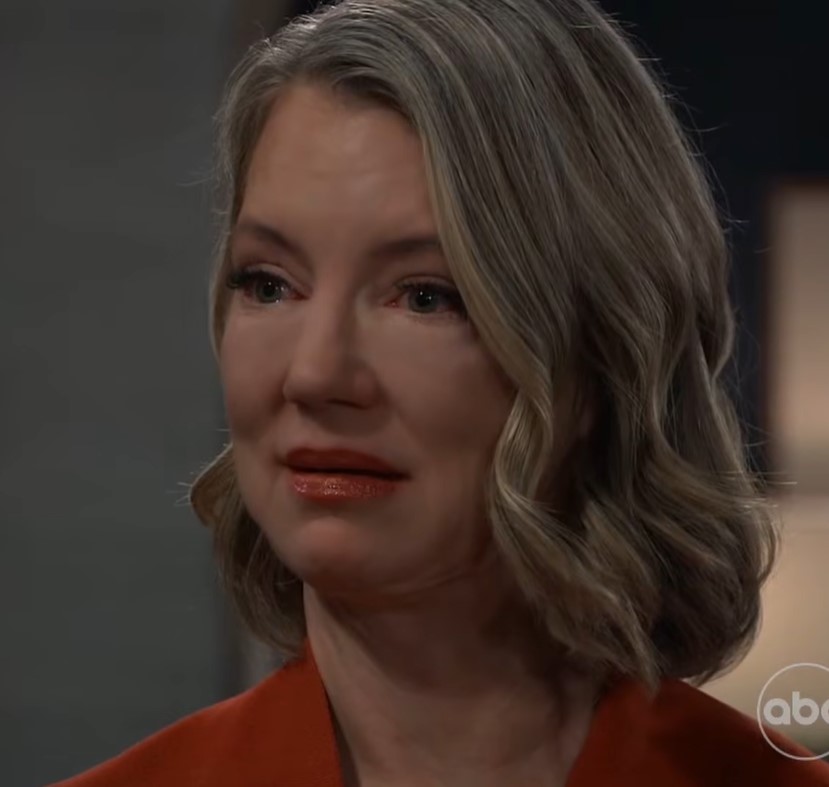
In the end, the most powerful truth is this—Willow didn’t secure Nina, she activated her. She turned the one person who might have protected her into the one person most capable of taking her down. This wasn’t a winning move. It was the beginning of the end. And the most tragic part is that Willow still believes she’s in control, completely unaware that her downfall has already begun.
