The backlash surrounding Kirsten Storms has spiraled into something far darker than ordinary celebrity gossip. Long before the full truth has been established, online critics have already decided who she is, what she is experiencing, and how her story should end. Across social media, people are dissecting every statement, mocking her fears, and turning a deeply personal crisis into entertainment. Instead of waiting for facts, many rushed to brand her unstable, irrational, or dishonest. But the reality may be far more complicated than the public wants to admit. What if the version of events being mocked online is only a tiny fragment of a much larger and more painful situation?
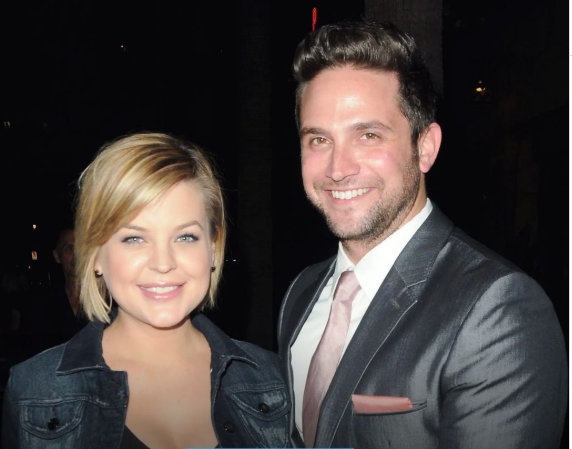
This controversy goes beyond a simple dispute between Storms and Brandon Barash. The heart of the issue is not celebrity drama, relationship tension, or tabloid conflict. It revolves around fear, emotional well-being, and the terrifying possibility that Storms genuinely believes her privacy and safety have been compromised. She has openly voiced concerns that someone may have interfered with aspects of her personal life, including access to private spaces or accounts. Whether those fears are eventually proven correct or not is not the point right now. The point is that such claims should not instantly become a punchline for strangers online. Serious allegations deserve serious attention, especially when they come from someone already navigating immense emotional pressure.
One major detail many people continue to ignore is Storms’ medical history. Years ago, she underwent brain surgery after doctors discovered a serious health condition. Neurological trauma can leave lasting effects that outsiders rarely understand. Emotional regulation, perception, anxiety responses, and stress tolerance can all shift dramatically after experiences involving the brain. If Storms is struggling emotionally or mentally, that does not automatically invalidate her concerns or erase her credibility. It means she is a human being dealing with circumstances most people could never fully comprehend. Instead of treating her vulnerability as evidence against her, perhaps it should be viewed as a reason to respond with more patience and care.
The deeper battle unfolding here is not simply about two former partners disagreeing. It has become a larger conflict between skepticism and compassion. If Storms is correct about her fears, then the situation becomes frightening because it would mean her concerns were dismissed while she was asking for help. If she is instead experiencing emotional or psychological distress, the conversation becomes equally heartbreaking because public ridicule only intensifies that suffering. Either possibility points to the same uncomfortable truth: this is a vulnerable woman facing something serious while millions of strangers watch from the sidelines and pass judgment without understanding the full picture.
Another issue being distorted online is the legal situation itself. Many people are reacting as though temporary legal measures are final proof of guilt or instability, when that is simply not how these processes work. Temporary arrangements involving custody or evaluation are often precautionary, especially when children are involved. Courts frequently move cautiously until more information becomes available. That does not erase Storms’ identity as a mother, nor does it permanently define her future. Yet online commentary has treated these developments as though the entire case has already been decided. In reality, the process is still evolving, and important facts may not even be public yet.
Perhaps the most disturbing part of this entire controversy is the public response. Social media has transformed into a digital courtroom where complete strangers suddenly believe they are qualified to diagnose mental health conditions, assign blame, and declare verdicts based on fragments of information. Rumors are spreading faster than verified facts. Every emotional post becomes “evidence.” Every silence becomes “proof.” Meanwhile, an actual person is at the center of this storm, forced to watch millions debate her sanity and credibility in real time. The internet often forgets that behind viral headlines are human beings experiencing genuine pain.
Storms is not just another celebrity name trending for controversy. She is a mother trying to protect her relationship with her child. She is also a survivor who endured a frightening medical battle while continuing to maintain a demanding public career. For years, fans connected with her through her work on General Hospital, watching her portray emotional storylines while dealing with personal struggles away from the camera. Fame does not shield someone from fear, confusion, or emotional collapse. In many ways, visibility makes everything worse because every vulnerable moment becomes public property for strangers to analyze and attack.
What makes this situation especially tragic is how quickly empathy disappeared. Instead of acknowledging uncertainty, many people immediately chose sides and turned the story into a spectacle. But the truth is that the public does not know everything happening behind closed doors. None of us fully understand what Storms is experiencing emotionally, medically, or psychologically. The situation is still unfolding, and definitive conclusions are being made far too early. Right now, what exists is not clarity, but chaos amplified by assumptions and outrage culture.
No matter where the truth ultimately lands, one fact cannot be denied: Kirsten Storms is clearly going through something serious. Whether her fears are validated, misunderstood, or connected to emotional distress, this is not a moment that should inspire cruelty. It should inspire caution, humanity, and compassion. Because when someone appears to be struggling publicly, the first reaction should never be humiliation. Support should come before judgment, especially before the full truth has finally emerged.
