Brook Lynn Quartermaine was never supposed to end up as the emotional casualty of this story—but that’s exactly what she’s become. She isn’t scheming, she isn’t manipulating anyone, and she’s certainly not playing games behind the scenes. Yet somehow, she’s the one paying the highest price. While others move forward, Brook Lynn is stuck—losing sleep, losing clarity, and slowly watching the life she built begin to slip through her fingers. What truly makes this spiral so painful isn’t just the chaos around her, but the quiet storm within her—the guilt that refuses to loosen its grip.
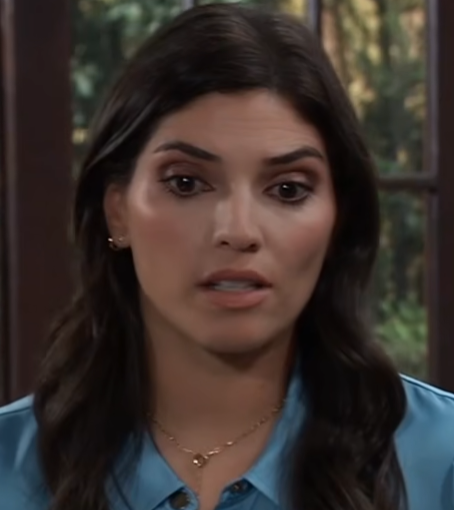
The crash may have been the turning point, but not for the reasons people assume. From everything shown and interpreted by viewers, Brook Lynn didn’t intentionally cause the accident. It was a split-second reaction, a moment of instinct, an attempt to avoid danger already unfolding. Another vehicle had already set disaster into motion. And yet, despite the lack of clear blame, Brook Lynn walked away carrying something heavier than any physical consequence. She walked away believing she might be responsible—and that belief has taken root in the worst way.
That’s where the real damage begins. This isn’t about legal fault or proving innocence. It’s about emotional weight—the kind that doesn’t fade with logic. Brook Lynn keeps reliving that moment, replaying every choice, wondering if one different move could have changed everything. It’s a mental loop that traps her in the past, making it impossible to fully exist in the present. For someone who has always struggled to prove her worth, this internal battle is more than painful—it’s consuming.
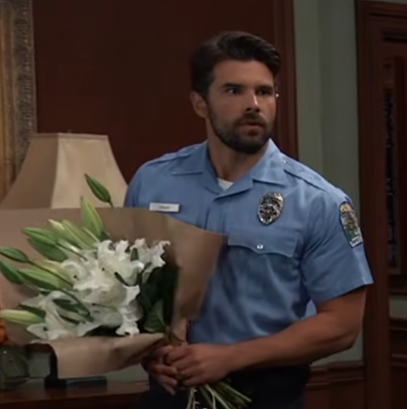
While she’s fighting that invisible war, another fracture is forming right in front of her—and she doesn’t even see it clearly yet. Her marriage is starting to crack. Harrison Chase, the man she trusted completely, is slowly shifting away from her. His growing bond with Willow isn’t subtle anymore. It shows in his actions, his attention, and the way his priorities are quietly changing. Viewers aren’t questioning if something is happening anymore—they’re bracing for when it crosses a line.
What makes the situation even more devastating is the timing. Brook Lynn isn’t distant because she doesn’t care—she’s distant because she’s overwhelmed. Her mind is consumed with guilt, leaving no room to question what’s happening around her. She isn’t suspicious, she isn’t accusatory, because she’s too busy blaming herself. That imbalance creates a dangerous dynamic: one partner unraveling internally, while the other drifts away unnoticed.
If Chase does take that final step—if he gives in to whatever is building between him and Willow—the fallout will go far beyond betrayal. For Brook Lynn, it will feel like confirmation of her worst fear: that she was never enough. That somehow, she failed. And that’s what makes this storyline hit so hard. Because it taps into something deeply human—the fear of giving everything to someone, only to be left questioning your own value.
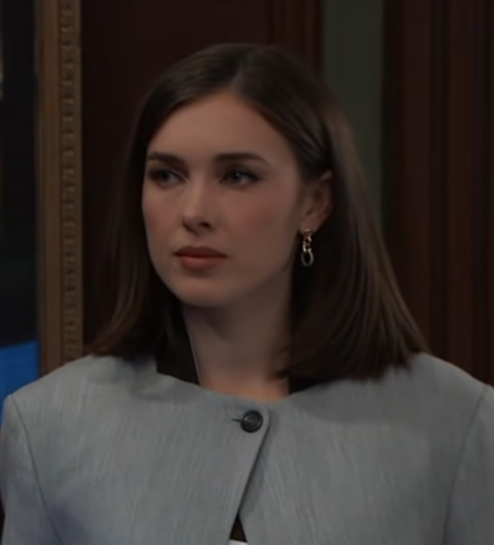
And the emotional stakes don’t stop there. There’s also the looming uncertainty surrounding Phoebe and the fragile version of family Brook Lynn has been holding onto. This isn’t just about a relationship—it’s about stability, motherhood, and the hope of finally having something solid in her life. The idea that she could lose all of that at once doesn’t just feel tragic—it feels overwhelming. And yet, that’s exactly the direction things seem to be heading.
What stands out most in all of this is how unfair it is. Brook Lynn isn’t perfect, but she’s not cruel or manipulative. She hasn’t hurt people intentionally or played with anyone’s emotions. Still, she’s the one carrying guilt for something she may not have caused, while also standing on the brink of being hurt by the person she trusted the most. That contrast—between who she is and what she’s enduring—is what makes her story resonate so deeply.
In the end, this isn’t a story about revenge or dramatic justice. It’s about a woman who wanted something simple—love, security, and a future she could believe in. Instead, she’s left questioning everything: herself, her choices, and the people closest to her. And that’s what makes this journey so powerful. Because sometimes, the most heartbreaking stories aren’t about villains—they’re about good people being pushed to their breaking point.
