It didn’t take a body, a confession, or even hard evidence to crack Sienna’s story. All it took was one detail that didn’t line up. At first, everything sounded believable enough—fear, chaos, a violent confrontation. But the moment she was pushed to explain the exact point when Matt supposedly died, her version of events started to unravel. Not dramatically, not all at once—but in a way that felt even more dangerous. Because this wasn’t about what she said. It was about what she couldn’t explain.
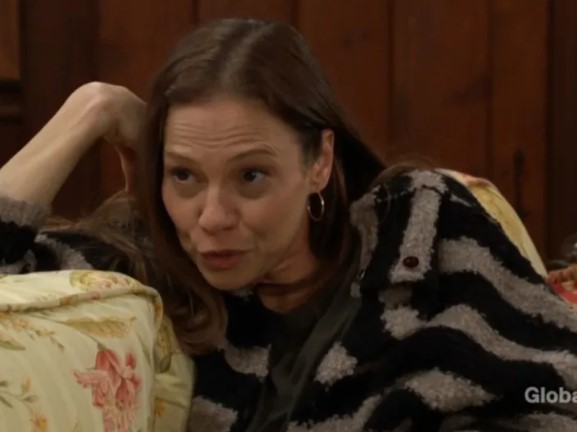
Sienna’s first major slip came from her memory itself. She could recall the buildup clearly—the tension, the threat, the confrontation with Matt. But when it came to the most critical moment, the supposed death, everything became vague. That kind of selective memory doesn’t sit right. Trauma can blur details, yes, but it rarely erases just one precise, crucial second while leaving everything else intact. The gap wasn’t random. It felt targeted. Like a moment she either couldn’t relive—or couldn’t recreate convincingly.
Then came the question that quietly dismantled everything. Did she check if Matt was actually dead? It should have been simple. A pulse check, a breath, any confirmation. But Sienna hesitated. She wasn’t sure. And yet, despite that uncertainty, she had already declared him dead with confidence. That contradiction is where her story collapsed. Because certainty without verification doesn’t read as truth—it reads as assumption at best, and deception at worst.
The absence of a body only deepened the problem. No one saw Matt die. No one confirmed it. There was no follow-up, no return to the scene, no attempt to validate what had happened. In any real situation, that kind of loose end would demand attention. But Sienna moved forward as if the outcome was beyond question. That’s what made it feel wrong. Not just incomplete, but intentionally unexamined. As if the truth was something she didn’t want to revisit too closely.
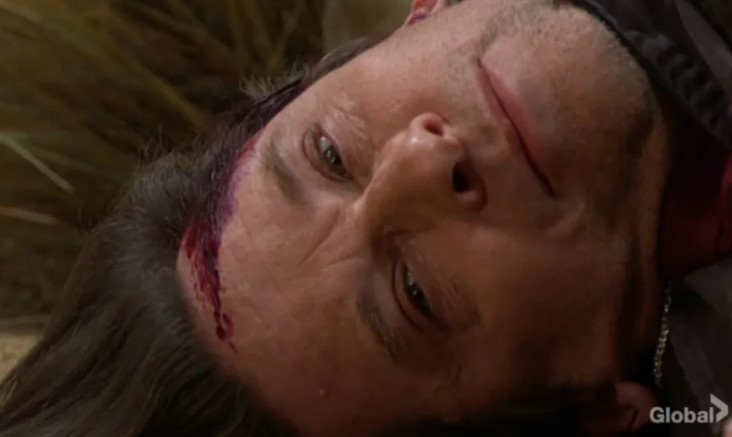
Sharon was the first to sense it. Not because she had proof, but because she listened differently. She wasn’t looking for drama—she was listening for logic. And what she heard didn’t add up. The timeline felt off. The emotional beats didn’t match the claimed outcome. Most importantly, Sienna’s certainty didn’t match her lack of evidence. Sharon didn’t accuse her outright, but she did something far more dangerous. She asked the right questions.
That’s when Sienna began to crack. The more she was pressed, the less steady she became. Her responses shifted. Her confidence slipped. What had started as a controlled narrative turned into hesitation, deflection, and visible discomfort. And then came the breaking point—she ran. Not physically at first, but mentally, emotionally. She stopped engaging with the truth and started trying to escape the conversation itself. And that’s the moment everything changed.
Because people who are telling the truth may struggle, may even panic—but they don’t collapse under basic questions. What we saw in Sienna wasn’t fear of what happened. It was fear of being exposed. Her reaction didn’t protect her story. It exposed its weakness. The more she tried to hold onto control, the more obvious it became that she never really had it.
The real twist here isn’t just whether Matt is alive. It’s that Sienna doesn’t truly know what happened—or she knows more than she’s willing to admit. That uncertainty is the most dangerous part of all. Because it means everything she’s built her version of events on is unstable. And if Matt is alive, then her story isn’t just flawed. It’s completely broken.
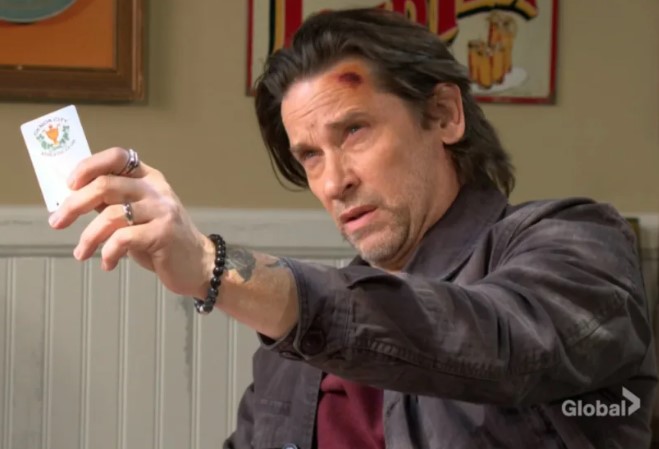
In the end, Sienna wasn’t taken down by evidence. She wasn’t cornered by facts. She was undone by one simple detail she couldn’t control. One question she couldn’t answer. One moment she couldn’t fake. She didn’t fail when she told the story. She failed when someone finally listened closely enough to realize it didn’t make sense. And now, the truth isn’t just coming. It’s already breaking through. 💣
