Jordan’s crash was supposed to be just another tragic moment—shocking, painful, and quickly folded into the chaos of Port Charles. But one detail refused to fit. While the PCPD struggled to build a timeline, one man didn’t wait for reports or permissions. Brick had already started looking. And what he saw wasn’t an accident—it was a pattern.
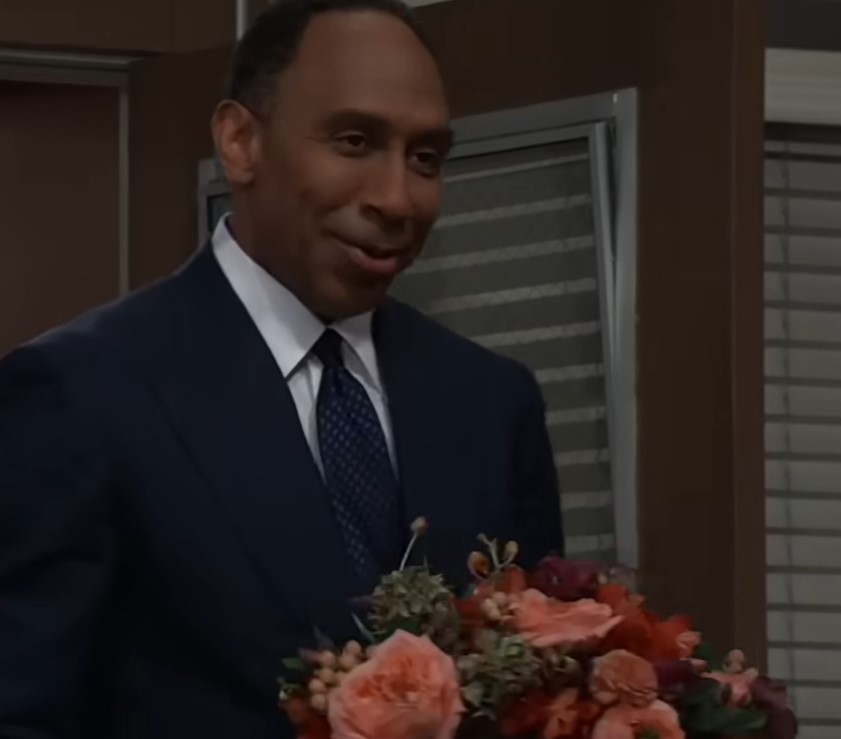
The first hidden clue was the driver’s choice. They didn’t stop. Not even for a second. In a town where panic often leads to hesitation, this wasn’t hesitation—it was certainty. Curtis Ashford said it himself: the driver had something to hide. But that statement carries more weight than it seems. Because people who flee instantly don’t act out of fear—they act out of preparation. That means this wasn’t random. It was intentional.
Then comes the second clue—the reaction no one questioned enough. Brook Lynn didn’t just feel uncomfortable when the crash came up—she unraveled. Her response was too sharp, too immediate, too familiar. Cody even recognized it, comparing it to the exact energy she had when hiding her biggest secret years ago. That’s not coincidence. That’s behavioral pattern. And in a case built on fragments, behavior becomes evidence.
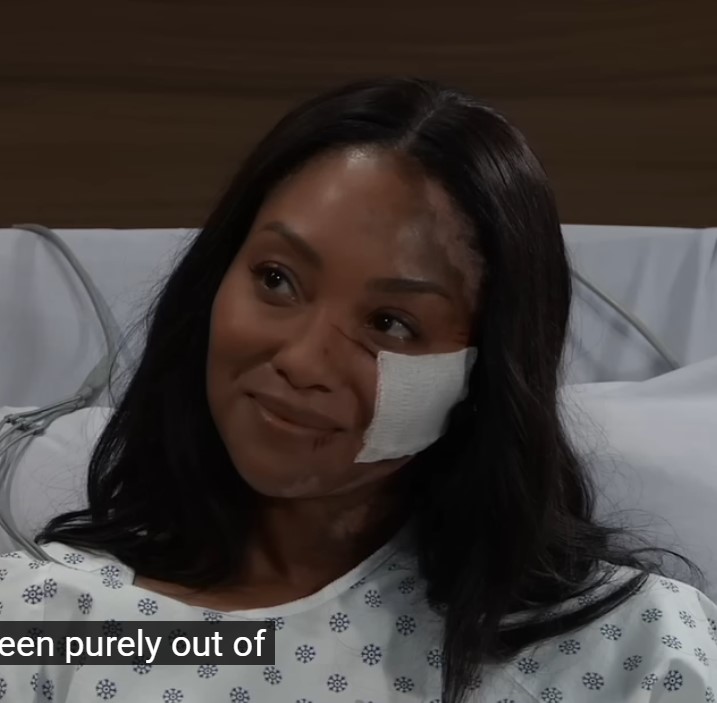
While everyone else focused on the crash itself, Brick focused on timing. He admitted he had been “keeping tabs” on Jordan. That line matters. It means he wasn’t reacting—he was already watching. Which raises the question: what did he see before the crash even happened? Because if Brick was already tracking movements, then the accident didn’t start the story. It interrupted it.
Here’s where the hidden clue becomes explosive. The car didn’t vanish—it disappeared too cleanly. In a digital world, nothing moves without leaving a trace. Traffic cameras, signal gaps, route inconsistencies—these aren’t just background details. They are data points. And Brick is the one character in this story who knows how to read them. While the PCPD looks for witnesses, Brick looks for patterns. And patterns don’t lie.
The deeper you go, the clearer the setup becomes. The investigation is stalled, but not because the truth is buried. It’s because something—or someone—is slowing it down. That’s the third hidden clue: delay as a tactic. When time is wasted, evidence fades, memories shift, and control returns to the person hiding the truth. Which means the driver isn’t just running—they’re being protected.
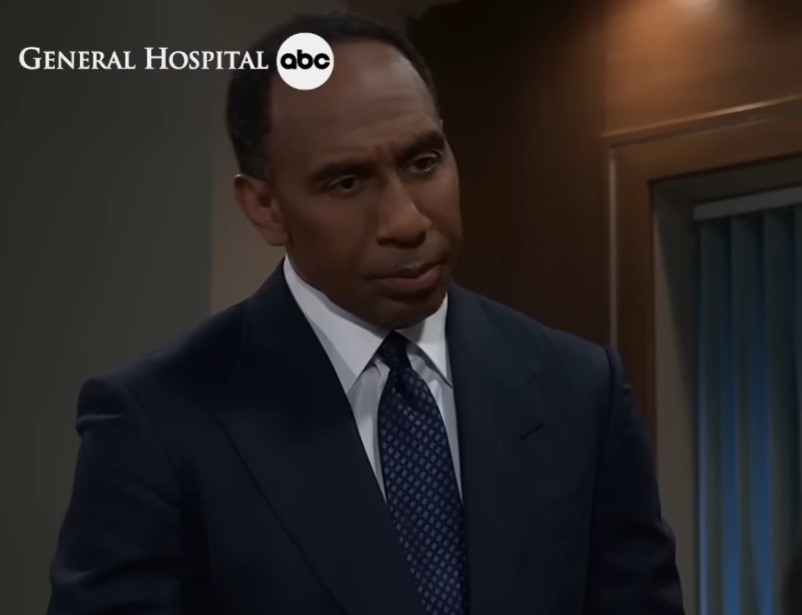
And that’s where Brook Lynn’s reaction loops back in. What if her panic isn’t about the crash—but about the driver being found? What if she knows exactly who was behind the wheel? Her fear doesn’t read like guilt—it reads like anticipation. Like someone waiting for the moment everything collapses. And if Brick has already connected the behavioral dots to the digital trail, then he’s closer than anyone realizes.
Because Brick doesn’t need a confession. He needs one inconsistency. One gap in timing. One route that doesn’t match the story. That’s how he works. Not loudly, not publicly—but precisely. And once he locks onto a target, he doesn’t let go. Which means the real reveal isn’t if he finds the driver. It’s when he decides to expose them.
The most dangerous part of this story isn’t the crash—it’s the truth behind it. Because if Jordan wasn’t a random victim, then someone wanted her out of the way. And if someone wanted her silenced, then the motive is bigger than the accident itself. That turns this from a hit-and-run into something far more calculated—a message, or a warning.
Now everything hangs on one final hidden clue: Brick hasn’t said what he knows. Not yet. And that silence is louder than any reveal. Because when a man like Brick waits, it’s not because he’s unsure. It’s because he’s choosing the moment that will do the most damage.
And when that moment comes… the driver won’t be the only one exposed.
