What if Drew wasn’t searching for the truth… because he was already living with it?

For months, General Hospital has framed Drew as the ultimate victim: betrayed, wounded, nearly killed by the woman he trusted. The reveal that Willow was the one who shot him shocked viewers — but only if you accept the surface-level version of the story. When you look closer, the show has been quietly laying out a far darker possibility: Drew didn’t just survive the shooting. He understood it.
The first red flag: Drew’s reaction never matched the crime

When someone is shot by an unknown attacker, soap logic is consistent. There is obsession. There is fear. There is a relentless need to know who did it and why. Drew showed none of that. His recovery arc lacked paranoia, urgency, or even genuine confusion. Instead, he moved forward with an eerie calm that only makes sense if the question of “who” was already answered in his mind.
Drew never treated Willow like a mystery
After the shooting, Drew never ran through a list of enemies or possible suspects. He didn’t spiral. He didn’t interrogate his past. Most importantly, he never once placed Willow in the category of “someone who might be capable of this.” That omission is critical. Drew had already witnessed Willow cross moral lines before. He knew she was capable of calculated harm. A man who didn’t suspect her would still ask the question. A man who already suspected her wouldn’t need to.
The silence is the evidence
Drew never directly asked Willow the one question that matters: Were you there? In soap storytelling, suspicion leads to confrontation. Knowledge leads to silence. Drew chose silence. That choice speaks louder than any confession ever could. It suggests he wasn’t waiting for the truth — he was managing it.
The marriage changes everything
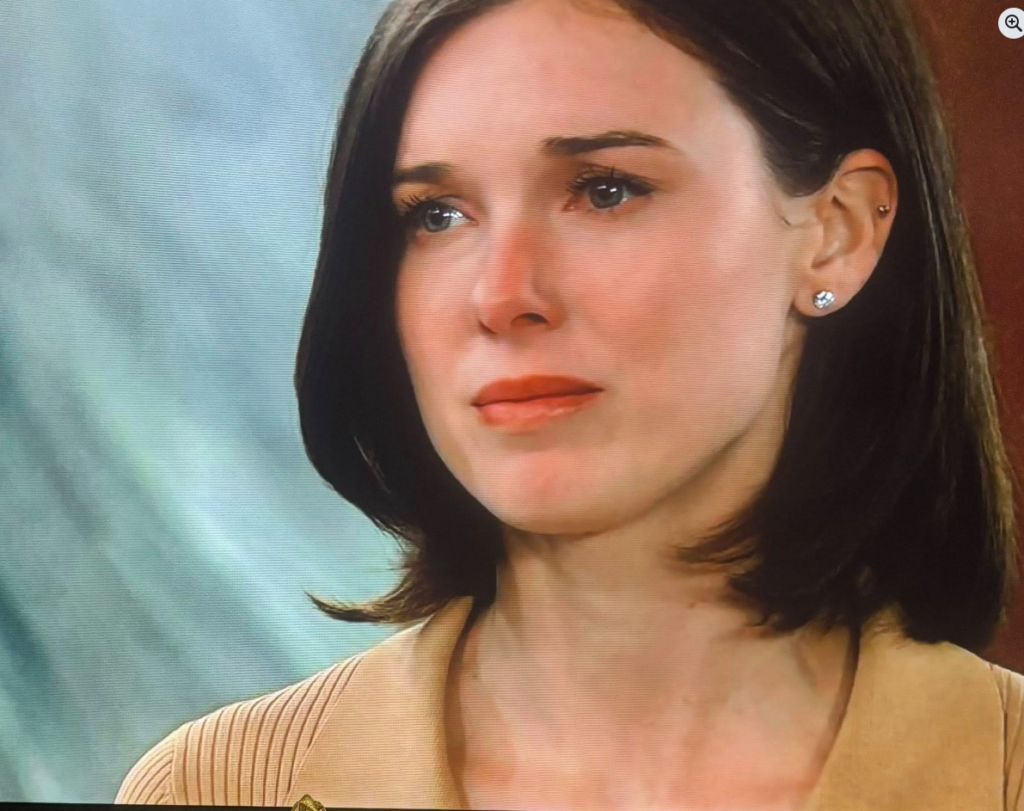
If Drew didn’t know, the marriage could be read as tragic romance. If he did know, it becomes something else entirely. Choosing to marry the woman who may have shot you is not love. It is strategy. Marriage keeps Willow close, contained, and observable. It turns a threat into a controlled variable. That is not the decision of a victim. That is the decision of someone who understands leverage.
Why Drew never exposed Willow
The obvious question follows: if Drew knew, why didn’t he turn her in? The answer lies in power, not forgiveness. Exposing Willow would expose Drew’s own choices — his silence, his protection, his complicity. It would collapse the structure he built to keep control. In soap terms, this is mutual destruction. The truth doesn’t just ruin Willow. It ruins Drew.
There is also a darker layer. Willow didn’t just need someone to save her — she needed someone who wouldn’t flinch when her darkness surfaced. Drew didn’t flinch. That suggests their bond was never about innocence or redemption, but about recognition. Two people seeing exactly who the other is and choosing to stay anyway.
The unsettling conclusion
This story isn’t about a woman manipulating a good man. It’s about a man who saw the danger, understood it, and decided he could live with it — maybe even use it. Drew didn’t chase justice because justice would end the game. And the most disturbing truth of all may be this: Drew wasn’t blindsided by the gunshot. He was already standing in the line of fire.
And that’s why this story isn’t a tragedy. It’s a choice.
