The return of Diane Miller to General Hospital is not simply a welcome comeback of a fan-favorite character. In the current narrative climate, Diane’s reappearance is a strategic pivot point — one that stabilizes the present story while quietly laying the groundwork for a far more dangerous future twist.
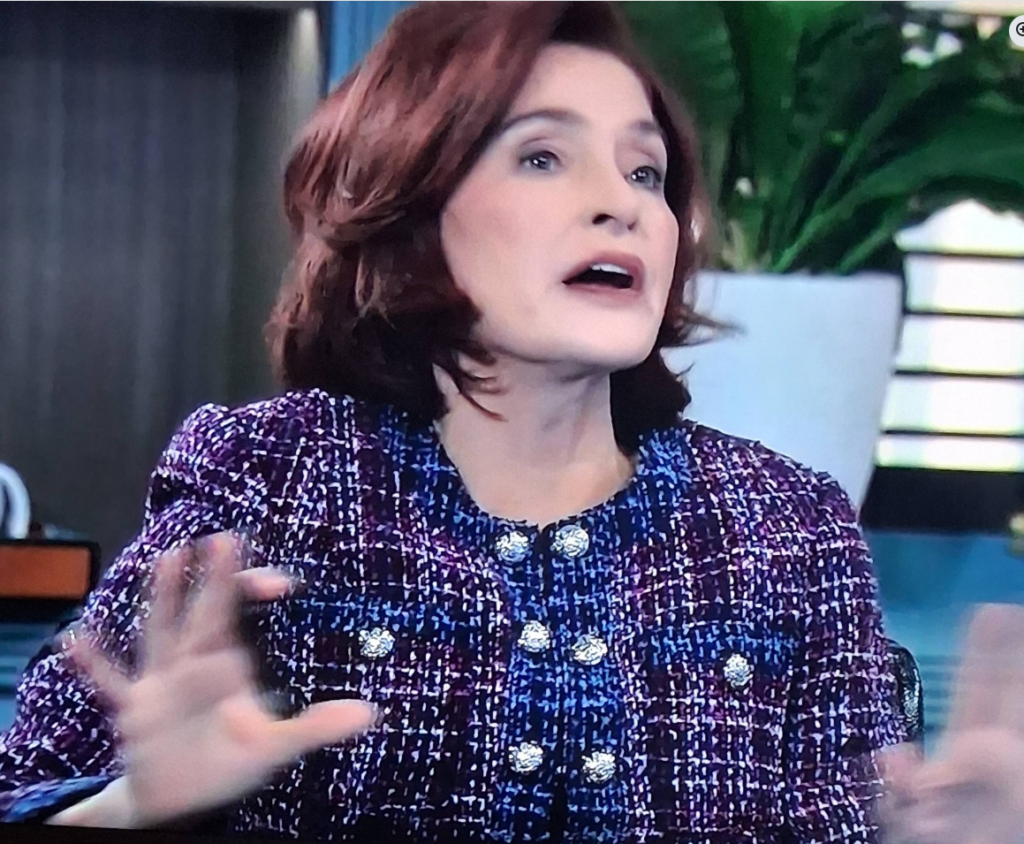
At a time when the legal and moral stakes surrounding Alexis, Willow, and Drew are at their most volatile, Diane’s presence fundamentally changes how the story can — and will — move forward.
Diane as the Moral Counterweight Alexis Desperately Needs

In the aftermath of the shooting and the courtroom fallout, Alexis Davis finds herself trapped in an impossible ethical position. She possesses information that threatens the integrity of her case, her career, and her family — yet acting on that knowledge could cause even greater harm.
This is precisely where Diane matters.
Diane is not written as a comfort figure. She is not there to validate Alexis’s fear or absolve her guilt. She functions instead as a professional conscience, someone who understands the law well enough to say what should be done — not what feels emotionally right.
Without Diane, Alexis would be forced into one of two extremes: self-destruction through confession or moral paralysis through silence. Diane offers a third path — one that preserves legal structure while acknowledging the devastating consequences of every available choice.
In narrative terms, Diane makes Alexis’s eventual decisions believable. She gives the audience a framework for understanding why silence, restraint, or delay may be the only survivable option.
Why Her Timing Is Not Accidental
The timing of Diane’s return is key. She arrives not before the crisis, but at its peak — when all clean exits are already gone.
This is deliberate storytelling.
Diane’s presence allows the show to lock in the current outcome without resolving the underlying crime. Willow’s legal fate may be decided, but her moral culpability remains unresolved. That unresolved tension is not a flaw; it is fuel.
By bringing Diane back now, the writers signal that the courtroom phase of this story is ending — and the consequence phase is about to begin.
The Twist Diane Makes Possible
Here is where Diane’s importance extends beyond the present storyline.
Diane does not exist to expose the truth. She exists to contain it.
That containment creates narrative pressure — pressure that must eventually release. And when it does, the fallout will be far worse than if the truth had come out immediately.
Future twists Diane’s return enables include:
- Delayed exposure: Evidence or testimony resurfaces later, long after legal protections have expired.
- Collateral damage: Someone close to Alexis or Willow pays the price for a decision made in silence.
- Reversed loyalties: Diane herself may later be forced to act against a client or ally once circumstances shift.
- Custody and power struggles: Legal absolution does not prevent future civil or family-court consequences.
Most importantly, Diane’s involvement means that when the truth finally explodes, it will do so outside the courtroom — where rules are weaker and emotions are deadlier.
A Return That Signals Control Before Chaos
Diane’s return is not about closure. It is about control.
She is the last character capable of holding the legal structure together while the emotional foundations underneath it crack. Her presence allows the story to move forward without collapsing — but only temporarily.
That is why her return feels so urgent, so necessary, and so dangerous.
Diane Miller is not here to end the story.
She is here to make sure that when it finally breaks, it breaks everywhere.
