Everyone believed Willow, and that was the most dangerous part of all. Her explanation for Drew’s collapse was accepted instantly, treated as a tragic but natural medical emergency, and locked in as the official truth before doubt could even form. Doctors, family, and the hospital system itself moved forward under one assumption: this was an unfortunate act of nature, nothing more.
Willow’s story worked because it wasn’t reckless — it was medically flawless. Drew’s symptoms aligned perfectly with cardiac failure or stroke, stress was an easy trigger to cite, and the timeline fit what emergency medicine expects to see. Both Elizabeth Webber and Nathan West had no immediate reason to challenge the narrative, because nothing on the surface contradicted accepted medical logic.
But the first crack appeared in the timing, not the diagnosis. Drew didn’t deteriorate gradually; he collapsed suddenly, sharply, almost as if a switch had been flipped. Medical crises usually announce themselves with warning signs, yet this one arrived cleanly and decisively, leaving no gray area — and no room for questions, which is exactly what made it suspicious.

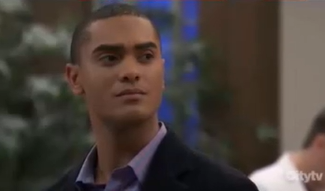
That was the moment Kai started watching Willow instead of Drew. Kai noticed something subtle but chilling: Willow wasn’t searching for answers in panic, she was supplying them. She described symptoms before being prompted, delivered the sequence in a polished order, and spoke like someone narrating a plan rather than reliving a shock.
People in real trauma don’t narrate — they fracture. They forget details, contradict themselves, circle back, and second-guess what they saw. Willow did none of that. Her account was clean, linear, and repeatable, the kind of story that sounds convincing precisely because it never wavers.
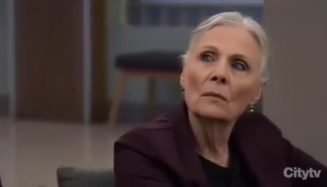
Tracy saw the real problem immediately, and it had nothing to do with medicine. Tracy Quartermaine didn’t question charts or test results; she questioned behavior. Willow never unraveled after the danger passed, never showed delayed shock, never cracked under the emotional weight that usually follows witnessing a near-death event.
To Tracy, Willow didn’t look like a woman who survived a crisis — she looked like a woman who expected it. That emotional steadiness wasn’t strength, it was rehearsal, and Tracy has lived long enough to recognize when calm is not courage but control.
This is why Willow’s lie has only one flaw, but it’s fatal. There is no physical evidence, no witness, no immediate proof of interference — only the fact that Willow’s story is too stable to be real. Truth evolves as memory struggles; lies stay rigid because they have to.
Tracy and Kai don’t need evidence to break Willow — they only need repetition. The more Willow is forced to retell the story, the more its inflexibility will stand out, because real memories bend and real fear adapts, while a rehearsed narrative cannot.
Willow didn’t fail because she made a mistake. She failed because she made a perfect lie, and perfection is always the thing that gives a liar away.
