In General Hospital, Britt Westbourne’s illness is no longer just a tragic backstory — it has become a tool of control. What initially appeared to be a hopeful romantic step with Jason Morgan has quietly exposed one of the show’s darkest power plays yet: the WSB is weaponizing Britt’s health to force obedience and eliminate emotional attachments it deems inconvenient.
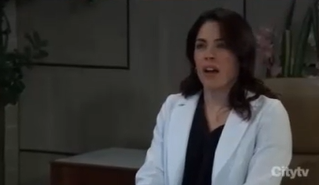
Britt’s diagnosis of Huntington’s disease has always carried an unavoidable weight. It is progressive, incurable, and deeply personal, shaping how she sees her future and the time she believes she has left. For a long period, Britt accepted the idea that her life would be defined by limits, decline, and inevitability, choosing emotional distance as a form of self-protection rather than risk hope.
That outlook changed when Britt decided to keep fighting. Ongoing treatment allowed her symptoms to be managed and gave her something she had almost abandoned — a reason to plan ahead. More importantly, it gave her the emotional space to let someone in, and that someone was Jason Morgan. Agreeing to a real date wasn’t about romance alone; it symbolized Britt choosing life, connection, and possibility despite the risks.

That choice is precisely what made her vulnerable. The WSB does not threaten Britt with arrest or violence; instead, it targets her survival. By controlling access to the medication that stabilizes her condition, the WSB sends a chilling message: compliance equals treatment, resistance equals physical decline. Her illness becomes leverage, not circumstance, turning medical care into a bargaining chip.
This tactic represents a particularly cruel form of coercion. Britt is not being asked to work harder or take greater risks; she is being told that her right to manage her disease depends on her obedience. The WSB is no longer reacting to threats — it is deciding whether Britt deserves stability, suffering, or acceleration toward death, based solely on her usefulness.
Jason becomes the unspoken pressure point in this equation. The WSB makes it clear that his presence in Britt’s life is unacceptable, framing him as a liability she must remove. Jason, unaware of any of this, believes he is stepping into something normal and earned, while in reality his closeness to Britt places both of them in danger without his consent or knowledge.
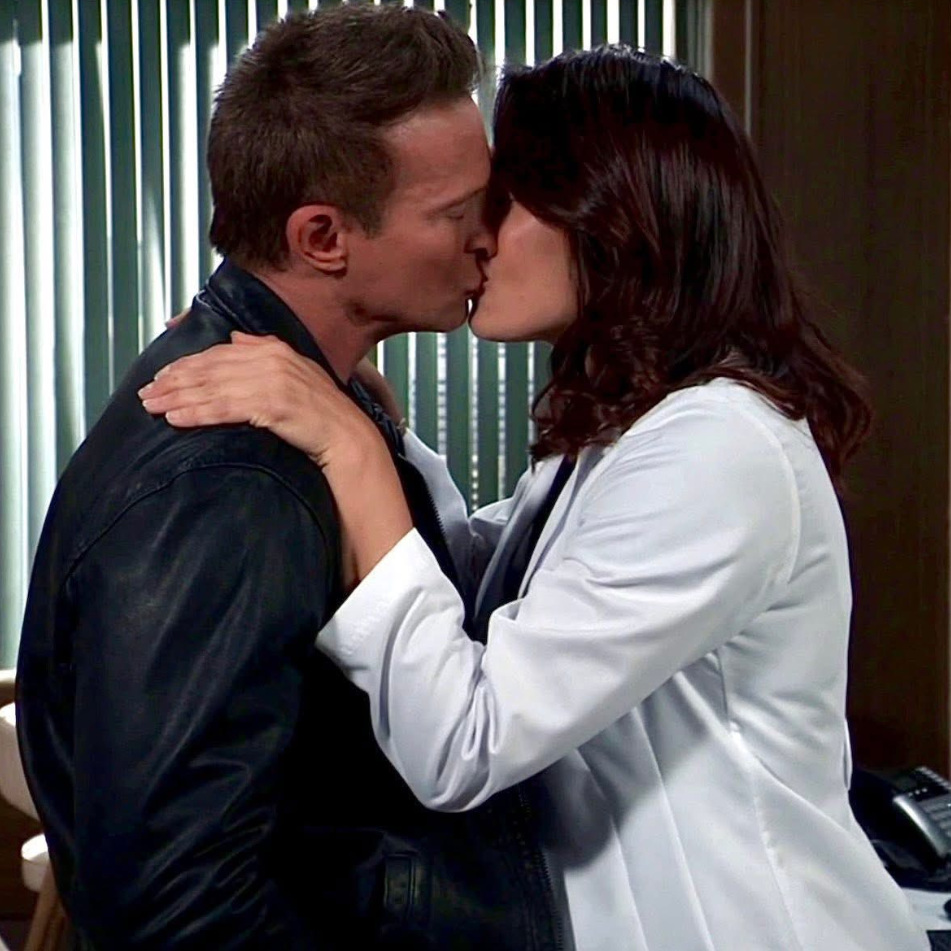
This creates an impossible dilemma for Britt. Choosing Jason risks his safety and her access to treatment; defying the WSB risks her health and autonomy; telling Jason the truth could provoke retaliation from an organization that thrives on secrecy and silence. Her emotional withdrawal is not hesitation or doubt — it is survival strategy under duress.
What makes this storyline especially disturbing is how it reframes Britt’s illness. It is no longer solely a medical tragedy but a form of currency, a leash pulled tight by those in power. The WSB is not fighting enemies here; it is managing assets, and Britt’s body is the asset being negotiated.
Ultimately, this is not a story about romance gone wrong or espionage complications. It is a story about institutional power deciding who gets to live freely and who must earn the right to survive. Britt Westbourne is not being punished for loving Jason — she is being punished for choosing life on her own terms.
