Sometimes an actor delivers a performance so convincing that it stops feeling like fiction. That’s exactly what’s happening with Drew. The intensity, the emotional weight, and the unapologetic edge of the character are stirring powerful reactions across the fandom—and that reaction itself is proof that the acting is working exactly as intended.
Let’s Be Clear: The Man Is Not the Character
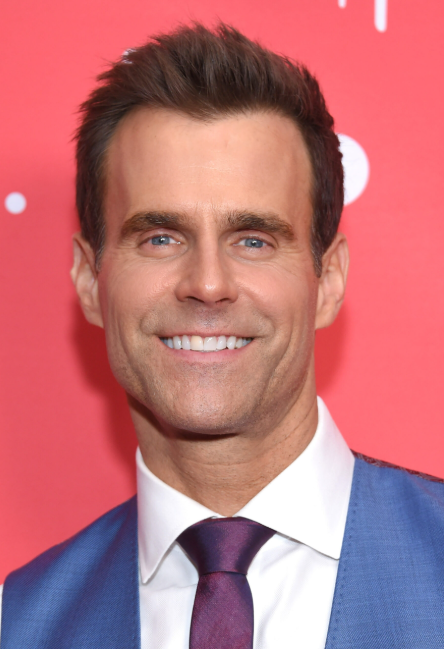
Here’s the crucial reminder fans need to hear: the person on screen is not the person in real life. Drew exists in the script, not in reality. The actor portraying him is a completely different individual—one who is kind, professional, and deeply appreciative of the support he receives from viewers.
Loving the Villain Means the Actor Did His Job
Great acting makes you forget you’re watching a performance. When fans feel anger, frustration, or even rage toward a character, that doesn’t signal failure—it signals success. Stepping fully into a darker, more controversial role is a challenge, and embracing that “bad guy” energy is part of the craft, not a reflection of personal character.
Playing the Bad Guy Is a Choice, Not a Personality
The actor behind Drew is clearly enjoying the complexity of the role, leaning into the villain arc and exploring its depth. But that enjoyment belongs strictly to the performance. Once the cameras stop rolling, the role ends. What remains is a real person, not the fictional choices made on screen.
Aim the Heat Where It Belongs—At the Story
Passionate reactions are part of fandom culture, but they need to stay focused on the narrative. Criticize the character. Debate the storyline. React to the twists. But real-life hostility toward an actor for fictional decisions crosses a line and misses the point of storytelling altogether.
Support the Artist, Not the Illusion
The actor sees the messages. He feels the energy from fans. And what he deserves in return is encouragement, respect, and recognition for doing exactly what great performers are meant to do—bring stories to life in a way that makes us feel something deeply.
Separate Art From Artist—That’s the Real Takeaway
At its core, the message is simple but important: separate the role from the man playing it. Applaud the performance, channel emotions toward the character, and support the artist who delivers such a powerful portrayal. That’s how fandom stays passionate without turning toxic.
