From the moment Nathan returned to Port Charles, something felt off. Not dramatic. Not explosive. Just… wrong. And in General Hospital, that’s always the most dangerous kind of wrong. What started as small inconsistencies have now piled into a pattern too loud to ignore. Taken together—especially after the January 29, 2026 episode—these slip-ups don’t suggest bad writing or character drift. They suggest a secret identity hiding in plain sight.
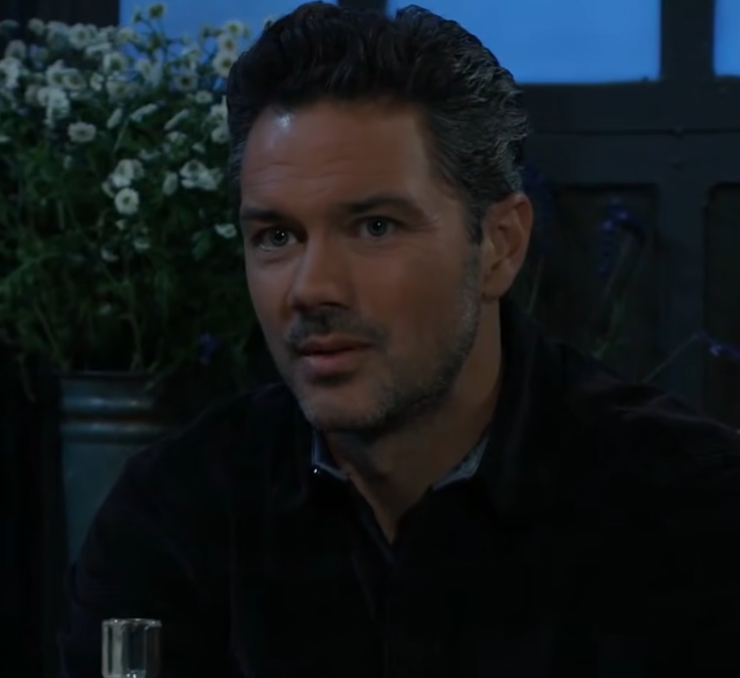
The first red flag has always been memory. This version of Nathan West speaks about his past with a strange emotional detachment, as if he knows the facts but not the feelings. He recounts key relationships like bullet points, not lived experiences. For a man whose life was defined by loyalty, love, and sacrifice, that emotional flatness isn’t subtle—it’s alarming. This isn’t how someone remembers their life. It’s how someone studies it.
Then came the early “slip of the tongue” moments—lines that didn’t quite fit, references that contradicted established history, details Nathan should know but didn’t. At the time, fans debated whether these were simple continuity errors. But soaps don’t repeat the same mistake over and over by accident. When a show like General Hospital wants you to dismiss something, it moves on quickly. Instead, these moments lingered—and multiplied.
Professionally, the cracks widened. Nathan began making errors no seasoned detective would ever make. Mishandled evidence. Poor judgment calls. Hesitation in moments that once defined him. This wasn’t burnout or trauma. It was unfamiliarity. Like watching someone perform a role they trained for—but never truly lived. He knows how Nathan should act, but not why.
And then came January 29, 2026—the episode that changed everything.
In that hour, Nathan casually referenced his father in a way that should have been impossible. It wasn’t just the wording—it was the instinct behind it. The phrasing suggested a man who learned about his “pops” late in life, not someone raised with that knowledge. There was distance. Ambiguity. A subtle correction mid-sentence that felt like a mental recalculation. This wasn’t nostalgia. It was a slip—raw, unguarded, and revealing.
That moment matters because it reframes every oddity before it. Suddenly, the emotional gaps make sense. The professional missteps track. The dissonance between who Nathan was and who he is now stops being a mystery—and starts looking like misidentification.
Which brings us to the most dangerous possibility of all: Cesar Faison.
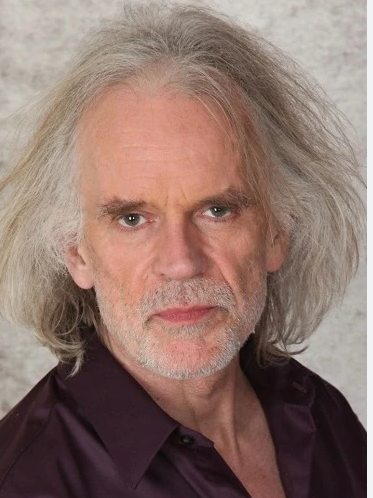
Faison’s legacy isn’t just evil—it’s manipulation, genetic obsession, and stolen identities. He didn’t just create chaos; he engineered people. If Nathan is not Nathan, then who is he? A clone? A conditioned son? A biological heir raised in the shadows, programmed with fragments of another man’s life? The January 29 slip doesn’t prove this outright—but it opens the door wide enough to see the shape of it.
Crucially, this theory doesn’t require Nathan to be a villain. In fact, it works better if he isn’t. A man believing he is Nathan, discovering his truth piece by piece, would explain the internal fractures we’re seeing. Confusion disguised as confidence. Familiarity without connection. A soul out of sync with its own memories.
Soap history tells us one thing clearly: the biggest reveals are never shouted. They whisper. And Nathan’s story has been whispering for months—until January 29 turned the volume up. That wasn’t a throwaway line. That was a crack in the mask.
So no, this isn’t about a bad line or a careless script. This is about intention. About a slow-burn reveal hiding inside human error. Nathan didn’t just slip up. He let something true slip out.
And once you see it, you can’t unsee it.
Because if Nathan isn’t Nathan… then the most dangerous part of Faison’s legacy isn’t over.
It’s walking free in Port Charles—using another man’s name.
