On General Hospital, Harrison Chase losing his cool is not just another emotional outburst. It’s a warning sign. Chase has always been one of the show’s moral anchors — the cop who believes in rules, fairness, and doing the right thing even when it hurts. That’s why his recent meltdown feels so unsettling. This isn’t about a bad day or misplaced anger. It’s about a man whose internal compass is spinning as he begins to realize that the person he’s been defending may not be who he thought she was.
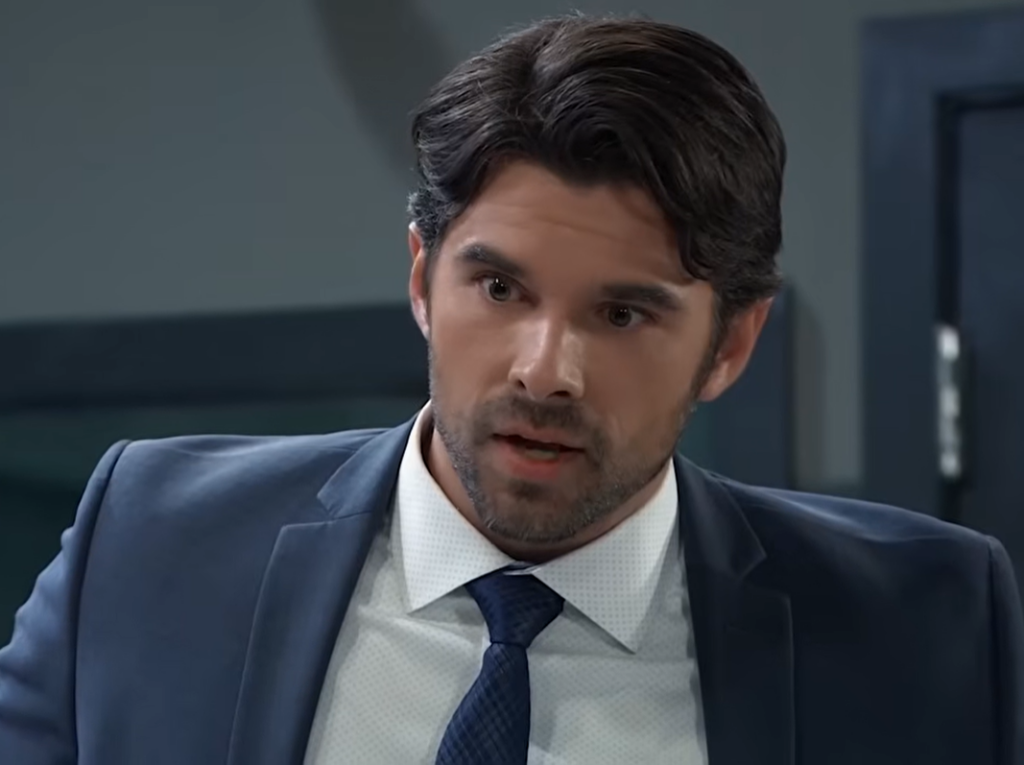
Chase’s reaction is stronger than anyone else’s because he has more at stake. He isn’t watching Willow from a distance like most people in Port Charles. He’s invested — emotionally, morally, and professionally. As a police officer, Chase is trained to read behavior, notice inconsistencies, and trust patterns over excuses. As a man, he has chosen to believe in Willow’s goodness. Those two instincts are now colliding, and the collision is violent.
What makes Chase stand out is that he’s reacting not just to what Willow has done, but to what she keeps getting away with. Every time another line is crossed without consequence, it chips away at the story he’s been telling himself. His anger isn’t random. It’s the frustration of someone who senses the truth forming but isn’t ready to fully accept it yet.
Ironically, Willow isn’t even the main trigger anymore. Michael Corinthos is. Michael’s quiet shift from emotional reaction to calculated observation forces Chase into an uncomfortable position. Michael isn’t yelling. He isn’t accusing. He’s stepping back — and that terrifies Chase more than open conflict ever could. Silence suggests certainty. And Chase can feel that Michael knows something he doesn’t want to hear.
Every interaction between Chase and Michael now carries an unspoken tension. Chase senses that Michael is no longer fighting Willow — he’s preparing for her. That realization makes Chase defensive, not because he’s sure Willow is innocent, but because he’s no longer sure that she is. Defensiveness becomes the shield people use when doubt creeps in.
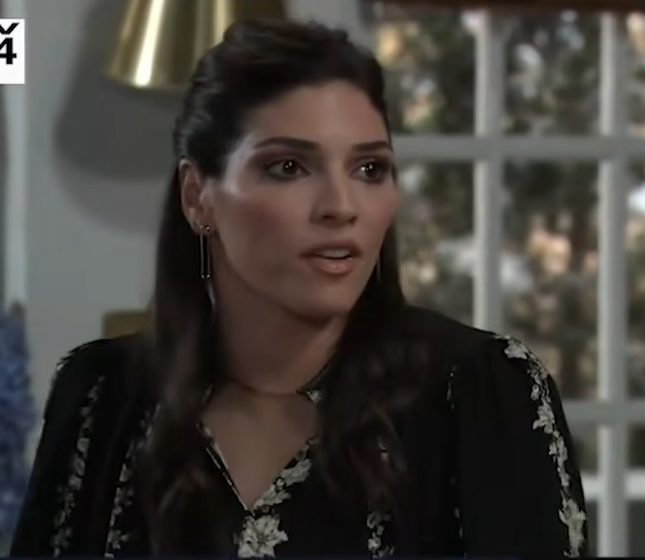
Then there’s Brook Lynn Quartermaine, standing squarely in the middle. Brook Lynn’s empathy for Michael and her willingness to listen instead of take sides only deepen Chase’s internal conflict. He expects loyalty. Instead, he gets nuance. And nuance is dangerous when someone is already questioning their own judgment. Brook Lynn doesn’t accuse Willow — but she doesn’t dismiss concerns either. That quiet balance forces Chase to confront possibilities he’s been avoiding.
Chase’s meltdown isn’t about jealousy or bruised pride. It’s about fear — fear that he backed the wrong person, fear that his instincts failed him, and fear that admitting the truth will require him to act against someone he once protected. For a cop, that kind of fear is destabilizing. The badge doesn’t allow for emotional blind spots. If Chase starts suspecting that Willow’s actions aren’t just messy but calculated, his entire approach to her has to change.
This is where the story becomes dangerous for Chase. A police officer who can’t regulate his emotions is vulnerable to crossing lines. Will he double down and keep defending Willow out of stubborn loyalty? Or will he finally trust the same instincts that have guided him on the job for years? The more Willow pushes, the harder it becomes for Chase to ignore the growing list of red flags.
What’s compelling is that Chase isn’t fully there yet — but he’s close. He’s starting to notice the control Willow exerts, the way situations always seem to bend in her favor, and how quickly she shifts blame. These aren’t isolated incidents anymore. They’re patterns. And once a cop starts seeing patterns, it’s nearly impossible to unsee them.
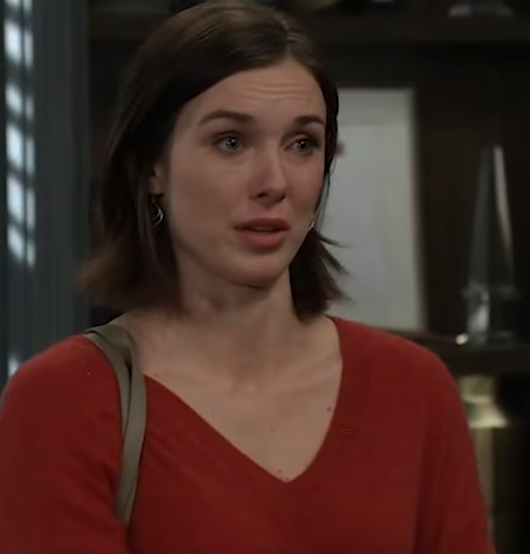
The tragedy is that Chase may pay a price no matter what he chooses. If he keeps protecting Willow, he risks his integrity, his career, and his relationships. If he turns on her, he has to confront the fact that he was wrong — publicly and painfully. That’s not an easy step for someone whose identity is built on being right for the right reasons.
In the end, the question isn’t whether Chase is right or wrong to feel the way he does. The real question is how long he can keep standing between the truth and his own conscience. Willow’s mask is slipping, and Chase is starting to see it. What he does next will define not just his future with Willow, but who he is when everything he believed turns out to be false.
