For years on The Young and the Restless, one truth felt unbreakable: no matter how badly Phyllis Summers messed up, Nick Newman would be there to catch her. He always was. Until now. In a stunning shift that has fans reeling, Nick makes it clear he will not rescue Phyllis this time. No last-minute save. No emotional override. No bending the rules out of love or loyalty. If consequences are coming, he’s stepping aside and letting them hit.
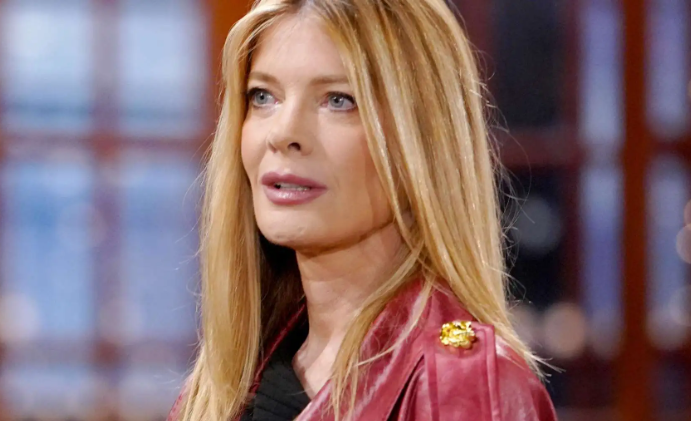
This decision isn’t impulsive. It’s not rage-fueled or heat-of-the-moment cruelty. Nick’s stance feels calculated, deliberate, and final. After years of cleaning up Phyllis’ messes, protecting her from the fallout of her own schemes, and sacrificing his own peace to keep her afloat, something has snapped. He’s done confusing love with damage control. And for the first time, Nick isn’t acting as Phyllis’ shield — he’s removing himself entirely.
What makes this moment so explosive is the history behind it. Phyllis and Nick are one of the show’s most volatile, enduring dynamics. They are passion, chaos, devotion, and destruction rolled into one. Nick has repeatedly crossed lines for her — morally, legally, emotionally. Time and again, he chose Phyllis even when it cost him trust, family harmony, and self-respect. That pattern trained viewers to expect the inevitable rescue. This refusal breaks not just a habit, but a legacy.
Nick’s words land with a brutal clarity: if karma is coming for Phyllis, he won’t interfere. That single idea reframes everything. Karma implies consequence, reckoning, and long-delayed balance. Nick isn’t punishing her himself; he’s simply refusing to block the universe anymore. And that distinction matters. It shows growth, but also a cold resolve that feels unfamiliar — and deeply unsettling.
For Phyllis, this may be the most dangerous position she’s ever been in. She has always thrived on survival through connection. When schemes collapsed, someone — usually Nick — stepped in to soften the landing. Without that safety net, Phyllis is exposed. Every enemy she’s made, every bridge she’s burned, every lie she’s told now carries real weight. There’s no bailout coming. And for a character who lives by manipulation and momentum, stillness might be fatal.
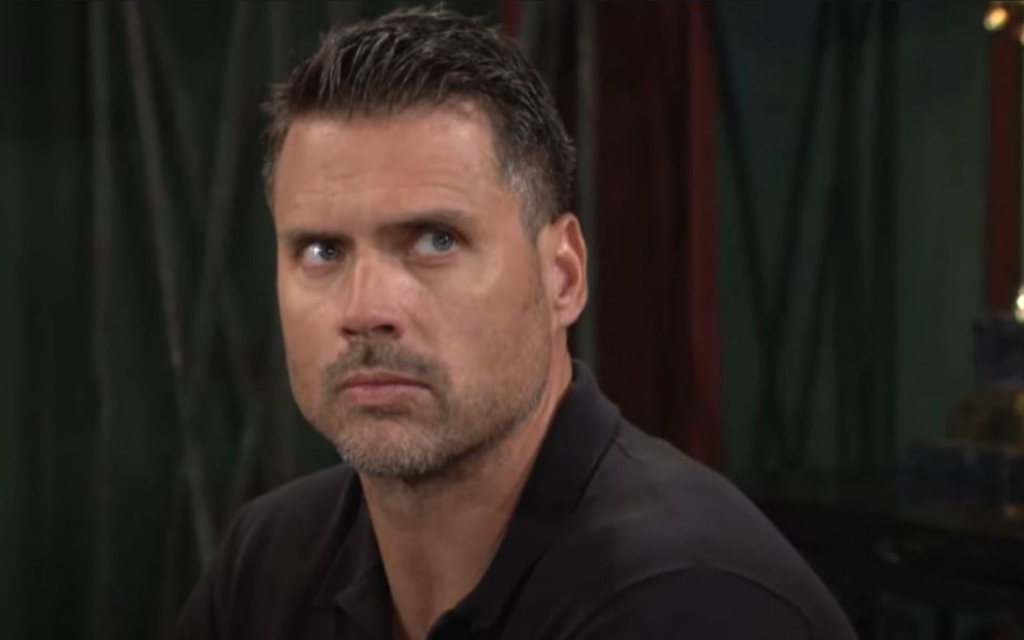
Emotionally, this rejection cuts deeper than any betrayal. Phyllis isn’t just losing help; she’s losing the belief that Nick will always choose her. That belief fueled her confidence, her recklessness, her sense of invincibility. Watching it crumble could push her in unpredictable directions — desperation, defiance, or a spiral that no one can stop in time. The question isn’t whether Phyllis will fall, but how hard.
Nick’s choice also signals a broader evolution in his character. This isn’t indifference — it’s boundaries. For years, Nick’s moral compass bent under the weight of emotional obligation. Now, he’s prioritizing accountability over attachment. That shift doesn’t make him heartless; it makes him human. But it also places him in dangerous emotional territory. Letting someone you love face consequences is sometimes harder than saving them.
From a storytelling perspective, this is a bold, high-stakes move. Removing the “Nick will fix it” safety valve instantly raises tension across the canvas. Every Phyllis-centered storyline now carries genuine risk. Legal trouble, social fallout, personal implosion — nothing feels protected anymore. Fans who once complained that Phyllis always escaped unscathed are suddenly holding their breath.
Ultimately, this isn’t just about Phyllis being left alone. It’s about Nick choosing himself for the first time in a very long time. Whether that choice holds or cracks under pressure remains to be seen. But one thing is certain: the era of automatic rescues is over. And if Phyllis Summers is about to face karma, she’ll be doing it without the man who always stood between her and the fall.
