The nightmare Willow thought she had under control may be slipping through her fingers. For weeks, she has relied on one fragile advantage: Drew couldn’t move, couldn’t speak, couldn’t expose her. The drug kept him trapped inside his own body, silent and powerless. But what happens when that silence begins to crack? What happens when the man she tried to erase starts fighting his way back?
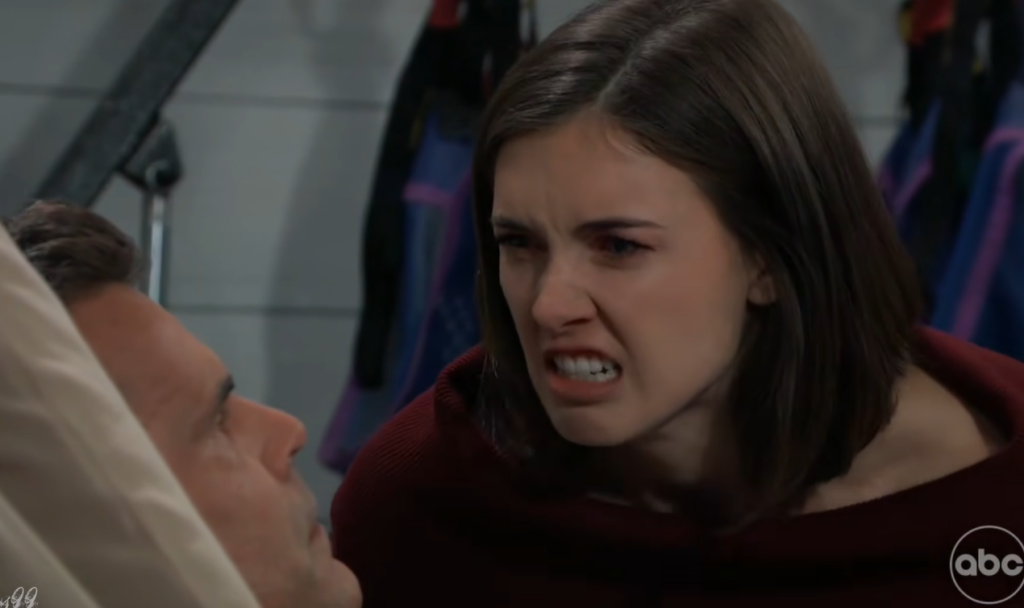
There are signs. Subtle, almost invisible, but terrifying if you’re the one standing at his bedside with secrets to hide. A flicker in his eyes when she speaks. A slight tremor in his fingers. A change in the rhythm on the heart monitor when she leans in too close. If Drew can hear her — if he understands what she’s done — then the clock is ticking. And Willow knows it.
From the beginning, Willow didn’t just want Drew incapacitated. She wanted control. She needed the power of attorney. She needed access. She needed time to reshape the custody narrative, to stabilize her position, to make sure she wasn’t left with nothing if the truth ever surfaced. Keeping Drew alive but silent was the perfect solution. Dead men raise questions. Living, helpless ones don’t.
But a recovering Drew changes everything.
If he regains the ability to speak — even one word — the entire foundation of Willow’s plan collapses. He could tell doctors about the injections. He could reveal that it wasn’t a stroke. He could expose that the woman pretending to care for him was the one keeping him imprisoned. And once medical staff begin testing his blood more thoroughly, once someone wonders why his progress doesn’t match the initial diagnosis, the truth could surface faster than Willow can contain it.
That’s when motive transforms.
The first attempt on Drew’s life was fueled by rage, betrayal, and emotional devastation. This time would be different. This time, it wouldn’t be about anger. It would be about survival.
If Willow realizes the drug is failing — if she sees evidence that Drew is regaining awareness — she faces a brutal calculation. Let him wake up and risk everything, or ensure he never speaks at all. In that scenario, the choice becomes chillingly logical. A “medical setback.” A sudden complication. A tragic turn no one could have predicted.
Soap history is full of hospital room “accidents.” A slightly increased dosage. A ventilator malfunction. A heart that simply stops. If Willow has already crossed the line once, what’s stopping her from stepping over it again — this time more carefully, more decisively?
And the most disturbing layer of all? Drew might know it’s coming.
Imagine being trapped inside your own body, hearing the person who shot you whispering reassurances while calculating your demise. Watching her study the monitors. Feeling her hand linger too long near the IV line. Realizing that your only hope is to move — to signal — before she acts.
The tension becomes unbearable.
Because if Drew manages to blink at the right moment, squeeze a hand, trigger suspicion from a nurse — Willow loses her advantage. But if she notices his awareness before anyone else does, she can act first. She can frame the narrative. She can cry at the funeral. She can say she did everything she could.
There’s another layer to this psychological war: fear. Willow has been operating under pressure for weeks. The lies are stacking up. The risk of exposure is rising. People are circling. Any hint that Drew is improving would push her into full panic mode. And panic makes people dangerous.
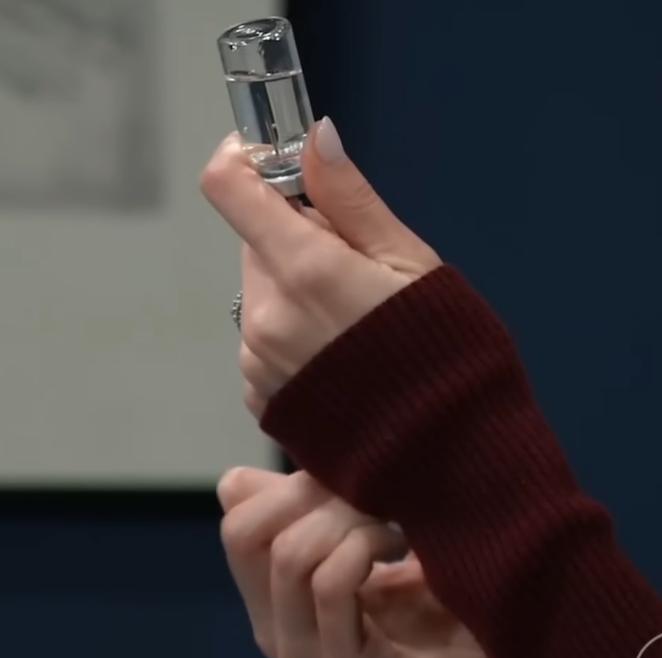
This wouldn’t be a crime of passion anymore. It would be strategic.
She wouldn’t strike impulsively. She would wait for the right moment — when she’s alone with him. She would ensure no cameras are watching. She would time it so the deterioration appears natural. And afterward, she would step back into the role she plays so well: the grieving wife, the devastated mother trying to hold her life together.
The tragedy is that once upon a time, Willow was the moral center of the room. The compassionate one. The victim. But somewhere between betrayal, power struggles, and desperation, she has transformed. Now she weighs life and death like chess pieces.
And the terrifying possibility is this: she may already have decided.
If Drew’s recovery continues, Willow’s options shrink. Exposure or elimination. Truth or silence. And in her world right now, silence might be the safer choice.
The ultimate twist would be heartbreakingly simple. Drew gathers just enough strength to speak — maybe even manages to form the beginning of her name — and before he can finish, something goes wrong. Machines beep wildly. Nurses rush in. Willow stands frozen, a perfect portrait of shock.
And no one knows whether it was fate… or her.
The real question isn’t whether Willow is capable of trying again. She already proved she could cross that line. The real question is whether she believes she has any other way out.
If Drew wakes up, Willow’s world ends.
If he doesn’t… his does.
And right now, only one of them can survive what’s coming.
