Cane Ashby’s Double Betrayal Could Destroy Every Alliance in Genoa City
Cane Ashby’s latest move on The Young and the Restless isn’t just another business scheme—it’s a calculated act of betrayal that could reshape the entire power structure in Genoa City. By secretly playing both Victor Newman and the Billy–Phyllis alliance, Cane has positioned himself as either a master strategist or the most reckless player on the board. This is not a gray-area moral choice. It is a deliberate decision to manipulate every major power player at once, and the consequences could be explosive.
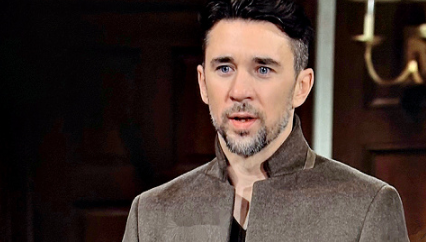
At the core of Cane’s double betrayal is deception. He presents himself as a willing partner to Victor Newman, implying loyalty and shared goals, while simultaneously maintaining a covert alliance with Billy Abbott and Phyllis Summers. Each side believes Cane is a valuable ally, yet neither realizes he may be feeding information, shaping outcomes, and hedging his bets to protect himself. This is classic corporate espionage wrapped in personal drama, and it places Cane in the most dangerous possible position: trusted by none, suspected by all.
The psychological profile of Cane’s strategy is revealing. He is acting like a man who refuses to lose. By aligning with both sides, Cane ensures he always has an exit route. If Victor wins, Cane can claim he was on the Newman side all along. If Billy and Phyllis prevail, he can pivot and claim loyalty to the Abbott-Summers faction. This is not loyalty—it is survival through manipulation. And in Genoa City, survival strategies often come with a body count of relationships and reputations.
However, double betrayal is rarely sustainable. Victor Newman is infamous for detecting deception and punishing traitors with surgical precision. If Victor realizes Cane has been playing him, the retaliation will be ruthless and strategic. Victor does not merely cut people off—he dismantles them professionally and personally. Cane’s corporate ambitions, social standing, and even family stability could become collateral damage in a Newman counterattack.
Billy and Phyllis, meanwhile, are not naïve victims. Both have long histories of betrayal and revenge. If they discover Cane’s duplicity, they will not hesitate to preemptively strike. Their alliance thrives on paranoia and strategic aggression, meaning Cane’s perceived betrayal could trigger a calculated plan to destroy him before he has the chance to flip the script. In this scenario, Cane becomes a liability that must be eliminated from the chessboard.
The real danger lies in the cascading effect of Cane’s actions. His duplicity doesn’t just threaten his own position—it destabilizes every alliance in play. Trust is currency in corporate and personal warfare, and Cane’s actions devalue that currency across the board. When players realize alliances can be manipulated this easily, paranoia becomes the default, and chaos becomes the strategy. Cane’s betrayal could ignite a domino effect of counter-betrayals, shifting loyalties, and sudden power grabs.
There is also the possibility that Cane is not merely reacting but orchestrating. By intentionally placing himself in the center of competing alliances, he becomes a kingmaker. If he controls information flow, he can influence decisions, provoke conflicts, and shape outcomes without directly exposing himself. This is the hallmark of a mastermind strategy: let others fight while you collect leverage. If this is Cane’s endgame, he is playing a long con that could redefine his legacy in Genoa City.
Yet the mastermind narrative has a fatal flaw: overconfidence. Playing both sides requires flawless timing, perfect information management, and zero emotional leaks. One misstep—one overheard conversation, one digital trace, one suspicious behavior—could expose everything. In a city filled with corporate spies, private investigators, and ruthless moguls, the odds of maintaining such a deception are slim. Cane is balancing on a knife’s edge, and the fall could be spectacular.
From a storytelling perspective, Cane’s double betrayal elevates him from supporting player to central antagonist or anti-hero. This move forces every major character to react, recalibrate, and reveal their true priorities. It transforms corporate drama into psychological warfare, where trust is weaponized and betrayal is currency. Whether Cane emerges as a puppet master or a cautionary tale depends on how long he can maintain the illusion.
Ultimately, Cane’s two-faced strategy is not just a plot twist—it is a narrative earthquake. It challenges the moral compass of the show, tests the intelligence of its power players, and promises a chain reaction of revenge, exposure, and power shifts. If Cane succeeds, he becomes one of the most dangerous strategists in Genooa City history. If he fails, he will be remembered as the man who tried to play everyone—and lost everything.
One thing is certain: in Genoa City, betrayal never goes unpunished. And Cane Ashby just painted a target on his own back.
