When news of Nikolas Cassadine’s possible return began circulating, General Hospital fans initially celebrated. But that excitement quickly turned into a heated debate, sparked by a viral fan comment that captured a sentiment many viewers quietly share: they want Marcus Coloma back. The comment, liked and shared by thousands, bluntly stated that while any Nikolas comeback is welcome, Adam Huss never felt like the character—and that Marcus Coloma is Nikolas after Tyler Christopher.
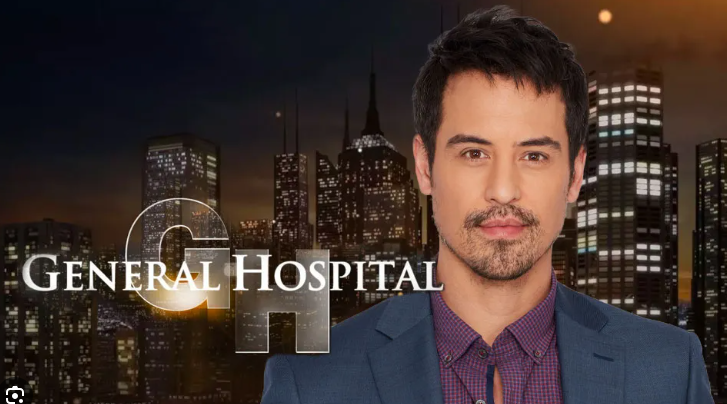
This reaction reveals something deeper than simple recast preference. It exposes how strongly fans connect a legacy character to specific actors, and how casting decisions can ignite fandom wars that rival on-screen drama.
For many viewers, Marcus Coloma wasn’t just another recast. After Tyler Christopher’s iconic portrayal, Coloma stepped into a nearly impossible role and, in the eyes of many fans, succeeded. He brought a modern, dangerous, aristocratic edge to Nikolas Cassadine, balancing vulnerability and menace in a way that felt authentically Cassadine. His chemistry with Ava Jerome, his complicated bond with Laura, and his tense relationship with Spencer created a version of Nikolas that fans emotionally invested in.
That emotional connection is why some viewers now insist Coloma is the definitive Nikolas of the post-Tyler era. They don’t just prefer him—they identify the character with him. When Adam Huss took over, many fans felt disconnected, describing his portrayal as darker, more villainous, and lacking the emotional continuity they had grown attached to.
The question fans keep asking is simple: why did Marcus Coloma leave in the first place?
Behind-the-scenes details have never been fully transparent, which only fuels speculation. Some fans believe the decision came from the show’s creative direction shifting toward a darker Nikolas. Others suspect scheduling conflicts or contract negotiations. There is also a widespread perception that Coloma didn’t choose to walk away, but was quietly let go as the show recalibrated its storytelling priorities. Without clear statements, the truth remains murky—and the uncertainty keeps conspiracy theories alive in the fandom.
This ambiguity has made the casting debate even more emotional. Fans don’t just miss Marcus Coloma; some feel he was unfairly pushed aside. That sense of injustice has turned nostalgia into activism, with viewers openly campaigning for his return.
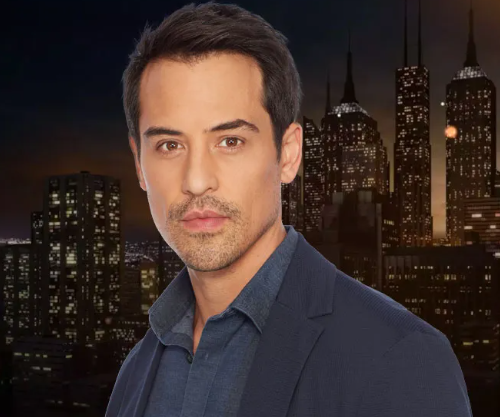
Adam Huss, meanwhile, has his own supporters. His portrayal leaned heavily into Nikolas’ morally compromised side, emphasizing the Cassadine legacy of manipulation, power struggles, and darkness. For some viewers, this version felt more realistic and aligned with the family’s villainous reputation. They appreciated the risk and the shift in tone.
But for others, that tonal shift was exactly the problem. They felt the emotional core of Nikolas—the conflicted prince torn between privilege and humanity—was lost. To them, Adam Huss was not a continuation, but a different character wearing the same name.
This has created a clear divide in the fandom: Team Marcus, Team Adam, and a third group that believes Tyler Christopher’s legacy can never truly be replaced.
Perhaps the most striking part of the viral comment is the fan demand that, if Marcus Coloma cannot return, the show should keep Nikolas off-screen until he can—or find a recast that truly matches the character’s essence. This is an extraordinary request, showing how powerful fan loyalty can be. It suggests that for some viewers, a beloved actor is more important than keeping the character active in the storyline.
In modern soap fandom, casting is canon. When an actor defines a character for a generation of viewers, replacing them is not just a production decision—it’s a narrative earthquake.
This raises the big question: will the show listen?
Soap operas have a long history of responding to fan reactions, sometimes reversing unpopular decisions or bringing back actors due to fan demand. A Marcus Coloma comeback would instantly generate buzz, boost ratings, and ignite social media. Some fans even speculate that a future storyline could explain multiple versions of Nikolas—an imposter theory, a hidden twin twist, or a dramatic reveal that Adam Huss’s version was never the real Cassadine heir.
Others believe Adam Huss was always meant as a temporary placeholder, keeping the character alive while the door remains open for a major return. Whether that theory holds any truth or not, it reflects how deeply fans crave the version of Nikolas they fell in love with.
At its core, this controversy shows how soap characters evolve into something larger than the scripts that create them. They become emotional anchors, shaped as much by actors as by writers. When casting changes, it can feel like losing a character all over again.
Nikolas Cassadine’s potential return should have been a straightforward celebration. Instead, it has reignited an old war within the fandom: Who is the real Nikolas? The answer depends on who you ask—but one thing is certain. The Cassadine prince is back in the conversation, and fans are louder than ever.
Whether the show brings back Marcus Coloma, keeps Adam Huss, or unveils a shocking twist, the debate itself proves one thing: Nikolas Cassadine still matters. And in soap opera history, few things are more powerful than a character fans refuse to let go.
