The General Hospital fandom is exploding after one seemingly small but potentially devastating revelation: Wiley reportedly told Ric that he saw Detective Chase handling Michael’s keys. On the surface, it might sound like a minor detail, but in soap storytelling, this is the kind of “quiet moment” that can detonate an entire storyline. Fans are already calling it a bombshell that could flip the investigation, vindicate Michael, and send Chase into a full-blown downfall arc.
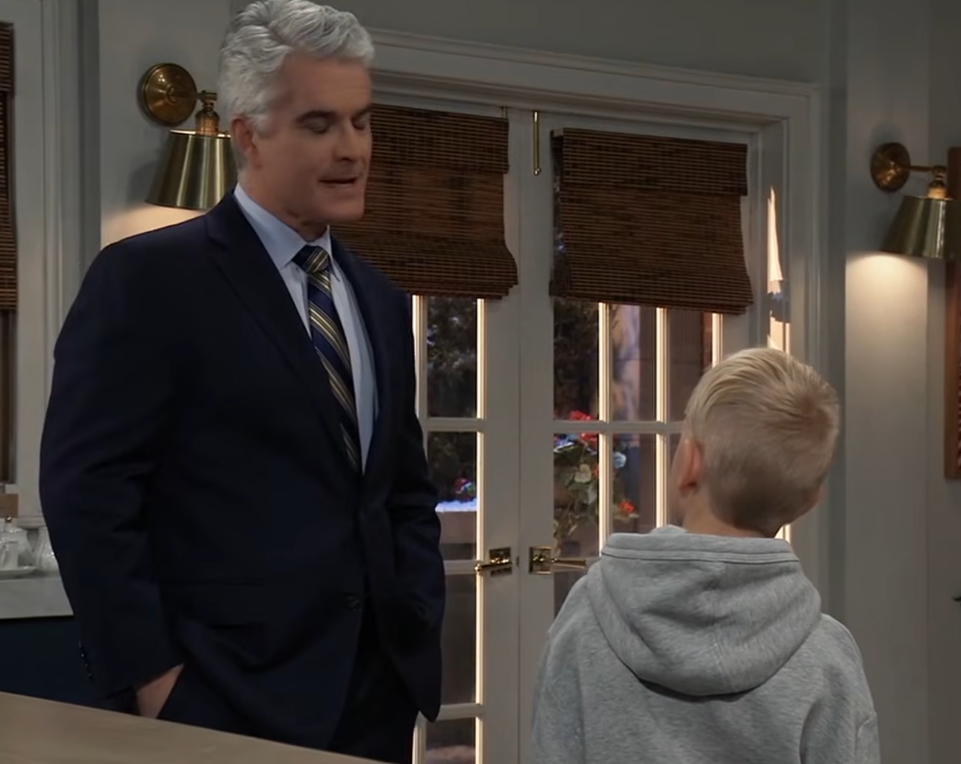
First, the emotional power of this reveal cannot be overstated. Wiley is a child, and children in soaps are often positioned as innocent truth-tellers whose words cut through adult deception. By having Wiley mention Chase touching the keys, the writers tap into that powerful trope. Viewers instinctively trust a child’s perspective more than any adult character with an agenda. This single line of dialogue reframes the entire key mystery, shifting suspicion away from Michael and placing a giant question mark over Chase’s actions.
From a narrative standpoint, this is classic soap misdirection turning into potential truth. The PCPD has been building a case against Michael using the key as a critical piece of evidence. But Ric’s argument that they never proved who placed the key on Michael’s ring opens the door for a framing theory. Wiley’s statement gives that theory emotional weight and narrative fuel. It suggests that Michael may have been walking into a carefully constructed trap, and that someone inside law enforcement may have crossed a line.
The idea of a “dirty cop” storyline is always irresistible to soap fans, and Chase is a particularly shocking candidate. He has long been positioned as one of the good guys, a moral compass within the PCPD. That’s exactly why this twist hits so hard. If a trusted detective is implicated in manipulating evidence, it doesn’t just affect Michael’s case—it shakes the credibility of the entire department. Fans are already speculating about whether Chase was acting alone, following orders, or being manipulated himself, but the seed of doubt has been planted, and that’s enough to ignite weeks of online theories.
Social media reaction has been intense, with viewers calling this the “smoking gun” moment of the storyline. Many fans believe this is the turning point that will shift public opinion inside the show and among viewers. Michael, who has been under suspicion, suddenly looks more like a victim of a setup. Meanwhile, Chase, once a fan-favorite hero, is being recast in the audience’s mind as a potential villain. That reversal is soap gold, and the writers clearly know it.
There is also a strong sense of anticipation around consequences. Soap audiences love a downfall arc, especially when it involves a character who has held moral authority. Fans are openly rooting for Chase to face repercussions, whether that means suspension, public disgrace, or personal fallout in his relationships. A scandal like this could ripple into his romantic life, his friendships, and his standing within the PCPD. Viewers are already imagining scenes of confrontation, betrayal, and courtroom drama where every word Wiley said becomes crucial.
This storyline also highlights how soaps use children strategically to drive major plots. Wiley’s role here is more than just emotional filler; he is a narrative catalyst. His words give Ric ammunition, give Michael hope, and give the audience a reason to question everything they thought they knew. It’s a reminder that in soaps, even the youngest characters can carry explosive story weight.
Ultimately, Wiley’s revelation feels like the beginning of something much bigger. Whether Chase is truly guilty, partially responsible, or just caught in a web of misunderstanding, the damage to his image is already done in the eyes of the fandom. The writers have successfully planted a seed that could grow into a major scandal arc, and fans are strapped in for the fallout. One child, one key, and one sentence may be enough to bring down a detective—and General Hospital viewers cannot wait to see Chase pay the price.
