The tribute episode did not rely on long speeches or dramatic monologues to make fans cry. Instead, it whispered through symbols, images, and moments that longtime viewers instantly recognized. For a fandom that has grown up with Luke Spencer, these details felt less like storytelling devices and more like personal memories resurfacing. It was not just an episode. It was a memory vault opening, one symbol at a time.
The floating candles were one of the most haunting and beautiful images. In the soft, dim light, they felt less like props and more like souls hovering in remembrance. Candles have always represented presence in absence, light in darkness, and here they suggested something even deeper—that Luke’s spirit still lingered in Port Charles, still glowing in the hearts of those who loved him. Many fans said they felt chills watching that scene, as if they were attending a real memorial rather than watching a fictional drama.
The reference to the Haunted Star was another emotional punch. For decades, the Haunted Star was not just a setting—it was Luke’s domain, his symbol, his heartbeat within the city. Seeing it again in this context felt like returning to a childhood home long after the person who lived there is gone. It reminded viewers that Luke was never just a man in a storyline; he was woven into the fabric of Port Charles itself. The Haunted Star was not a nostalgic callback. It was a declaration that Luke’s legacy is anchored in that place forever.
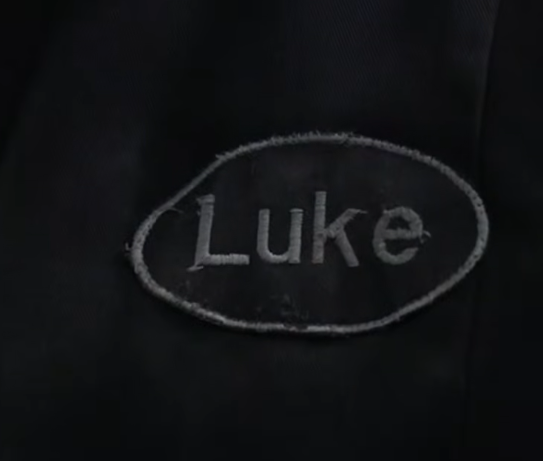
One of the most powerful images was Luke walking away with a bag slung over his shoulder, then disappearing. Luke Spencer was always the wanderer, the man who could never fully settle, always pulled by adventure and chaos. But this departure was different. This wasn’t another dramatic exit before a shocking return. This was a final journey. The visual metaphor was gentle, almost tender, suggesting that death is not an ending but a departure into light. Fans who had followed Luke’s countless exits and returns understood the gravity of this one. This time, he wasn’t coming back—and the show allowed that truth to be beautiful rather than cruel.
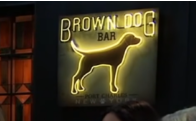
The bar toast felt like a communal goodbye, not just within the story but within the fandom. In soaps, bars are where lives unfold, secrets are revealed, and friendships are forged. Raising a glass to Luke was a ritual, a shared acknowledgment that he was part of everyone’s story. For longtime viewers, it mirrored how they themselves might toast a loved one who shaped their lives. It blurred the line between fiction and reality, between characters and audience, creating a shared moment of grief and gratitude.
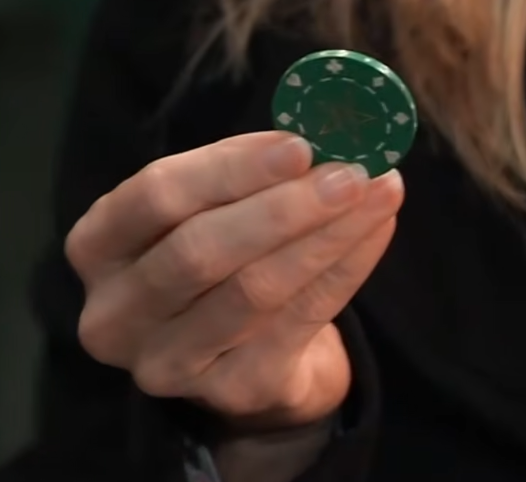
The poker chips left behind were a subtle but brilliant symbol. Luke was always the gambler, the risk-taker, the man who lived life like a high-stakes game. Leaving those chips behind felt like leaving a piece of himself, a reminder that life is a series of bets, wins, and losses. But it also suggested continuity—that the game goes on, that the people Luke touched will carry his legacy forward. For fans, those chips weren’t just props; they were shorthand for decades of storytelling and character evolution.
Then there was the music. When “Rise” by Herb Alpert played, it wasn’t just background sound. For Luke and Laura fans, it was a time machine. Music has a unique ability to unlock memory, and this song carried decades of emotion, romance, and history. When it played, viewers weren’t just watching the present episode—they were remembering their own pasts, their first time watching Luke and Laura, the years they spent with these characters. The song didn’t just accompany the scene; it resurrected an entire era.

What made these Easter eggs so powerful is that they trusted the audience. They didn’t explain everything. They didn’t overstate their meaning. Instead, they allowed fans to recognize, interpret, and feel. For longtime viewers, each symbol was a key unlocking a door to personal memory. This is advanced storytelling—using visual language to communicate emotion in a way that words never could. It respects the intelligence and emotional investment of the audience, and in doing so, deepens the bond between show and fandom.
In many ways, the tribute episode felt like a museum of Luke Spencer’s legacy. Each scene was an exhibit, each symbol a plaque, each moment a reminder that Luke was more than a character—he was a companion for generations of viewers. The episode didn’t just honor him; it allowed him to live again in the collective memory of Port Charles and its fans.
Luke Spencer may have walked into the light, but through these symbols, he never truly left. He remains in the glow of candles, the deck of the Haunted Star, the clink of poker chips, the echo of a toast, and the melody of a song that still makes hearts ache. For the fandom, Luke is not gone. He is remembered—and in soaps, memory is a form of immortality.
