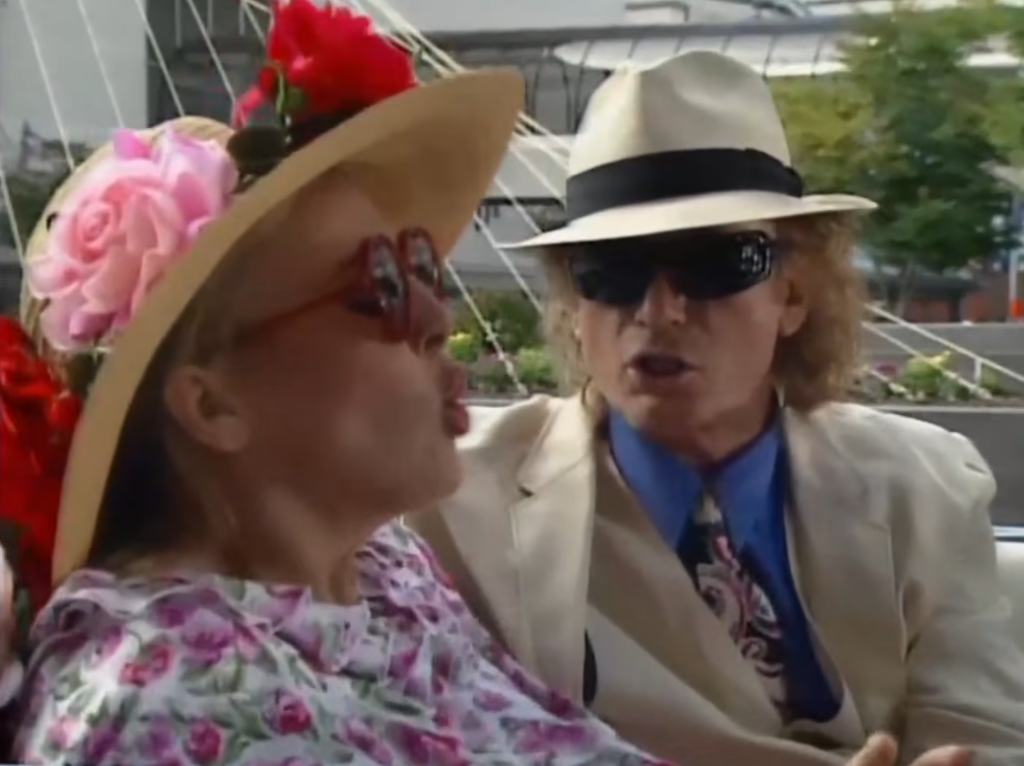
For many fans, Luke and Laura were never just characters on a soap opera. They were part of growing up. Their story unfolded in living rooms, kitchens, and family rooms across decades, becoming a shared ritual that connected parents and children, siblings and grandparents. When people talk about Luke and Laura today, they often speak with the same tone they use when recalling their own childhood—warm, emotional, and deeply personal.
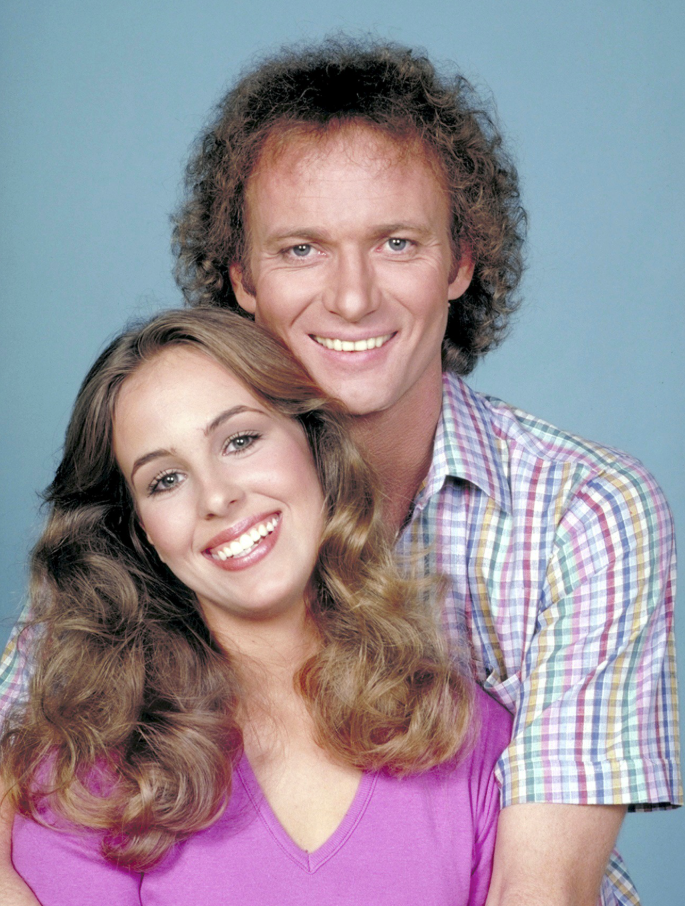
Countless viewers say they literally grew up with Luke and Laura. They remember being young, hearing the theme music, and knowing it was time to sit down and watch. Some recall running home from school or errands to make sure they didn’t miss an episode. Others remember sitting beside their parents or grandparents, watching the story unfold together. In many households, soap operas were not just background television; they were a daily family tradition, a moment when everyone gathered and shared the same emotional journey.
For younger viewers, Luke became a first fictional crush and Laura became a model of romance, courage, and drama. Fans have joked for decades that they dreamed of marrying Luke when they were ten years old. That kind of emotional attachment is rare in modern television, where shows come and go quickly and audiences fragment across platforms. Luke and Laura existed in an era when television was a shared cultural experience, and their relationship became a reference point for love, conflict, and hope.
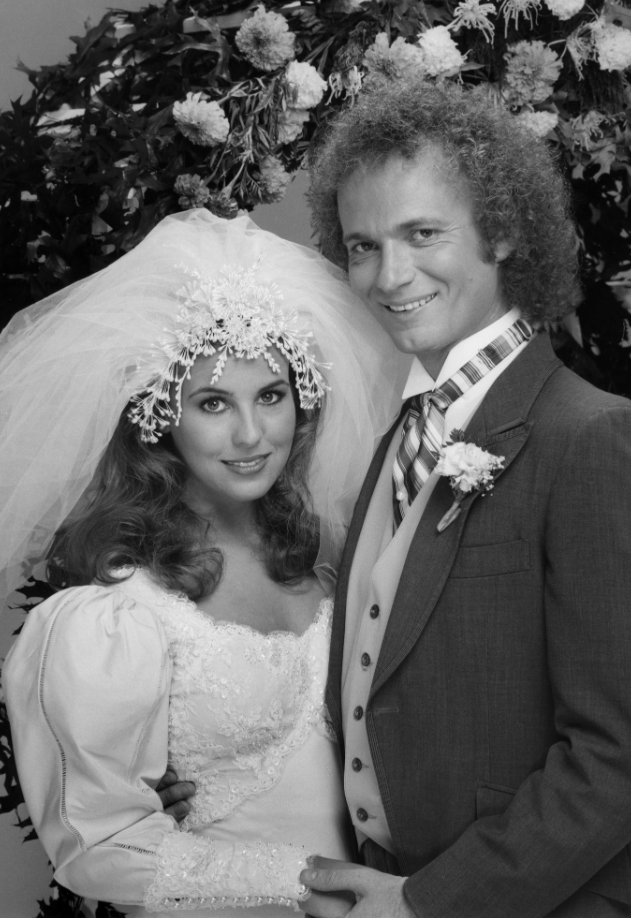
The Luke and Laura wedding episode, in particular, functions like a time machine for fans. Watching it again doesn’t just remind viewers of the storyline—it transports them back to a different stage of life. They remember where they were sitting, who they were watching with, what their house looked like, and what the world felt like at that time. The episode becomes more than entertainment; it becomes a personal memory encoded in television history.
This is why flashbacks of Luke and Laura continue to resonate so powerfully. When modern episodes revisit their story, fans are not just revisiting a fictional past—they are revisiting their own lives. The nostalgia is layered: nostalgia for the characters, for the era of television, and for their own childhood or adolescence. Few fictional couples achieve that level of emotional integration into real life.
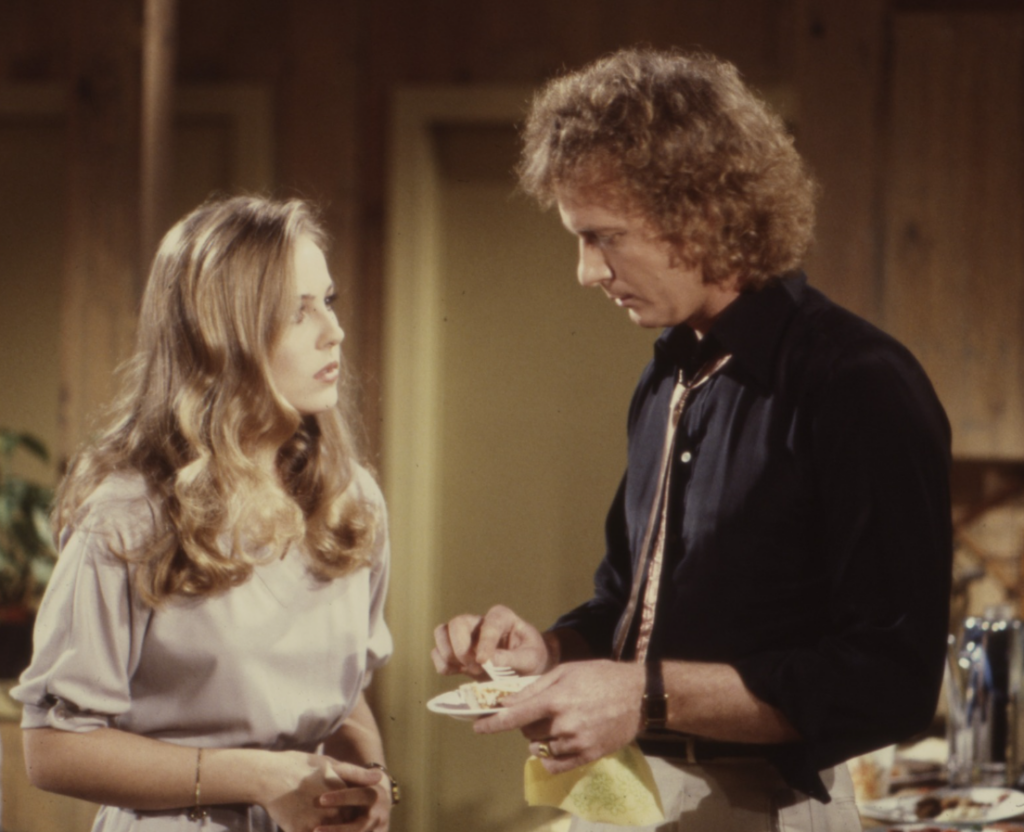
The deeper insight here is that Luke and Laura transcended the category of a soap couple. They became a cultural symbol. They represented the golden age of daytime television, when storylines unfolded slowly, characters aged with the audience, and viewers formed long-term emotional bonds. They also symbolized the shared family viewing experience that defined pre-streaming television culture, when millions of people watched the same scenes at the same time.
Luke and Laura’s legacy illustrates how fiction can shape collective memory. They were present during formative years for many viewers, which means their story is intertwined with personal identity and nostalgia. When fans say, “I grew up with them,” they are not exaggerating. These characters were companions through childhood, adolescence, and adulthood, evolving as their audience evolved.
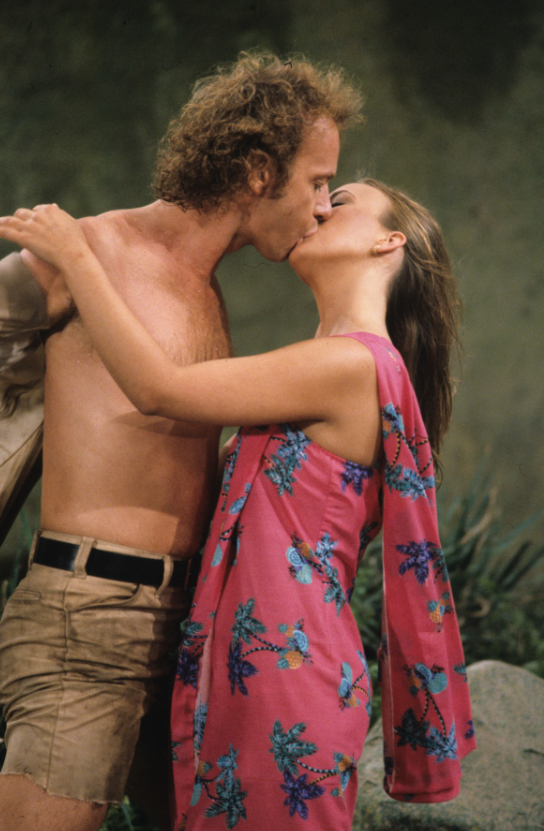
From a media perspective, this explains why any tribute, flashback, or reference to Luke and Laura generates such strong reactions and high engagement. People are not just reacting to a plot or an actor’s performance; they are reacting to their own past. Nostalgia is one of the most powerful drivers of emotional content consumption, and Luke and Laura sit at the center of a massive nostalgia network spanning multiple generations.
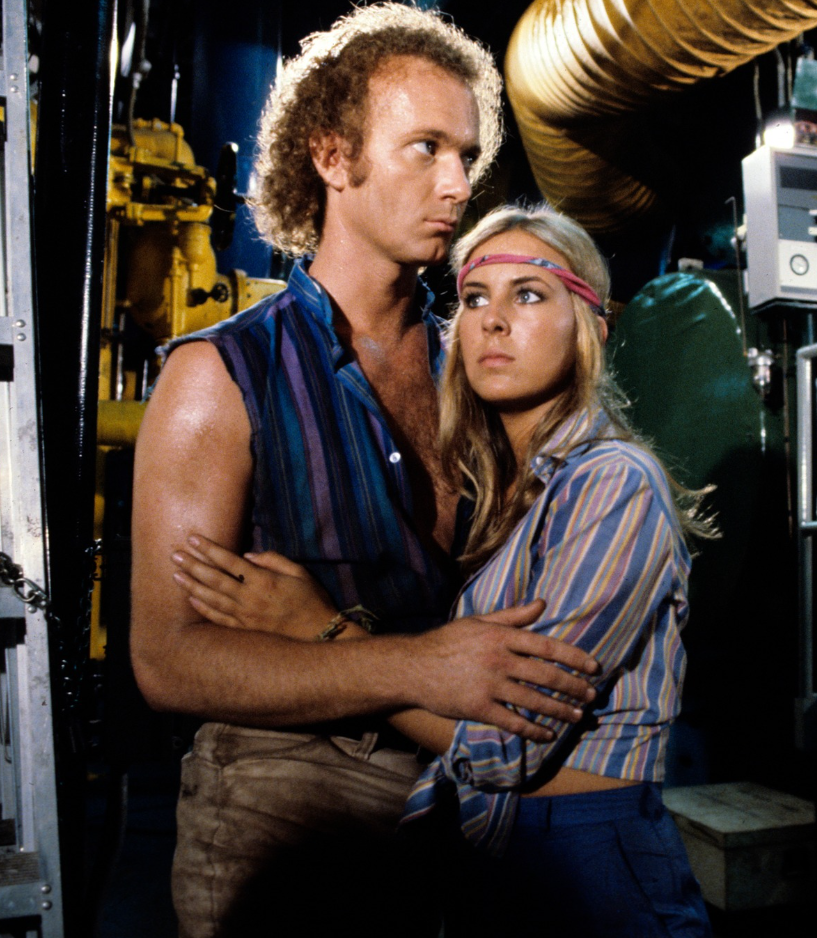
Ultimately, Luke and Laura are proof that a fictional couple can become a cultural landmark. They are remembered not only for their dramatic storylines but for the role they played in viewers’ lives. They were there after school, after dinner, during family gatherings, and during quiet afternoons. They were there when viewers were children dreaming of love and adventure, and they are still there now, as adults looking back with affection and emotion.
That is why Luke and Laura are not just remembered. They are remembered as childhood.