When General Hospital announced a full tribute episode for Tony Geary, the reaction was instant and explosive. Gratitude, grief, anger, confusion — and one burning question echoed across the fandom: Why does Geary get an entire episode when others didn’t? And just as loudly: What actually happened to the tribute fans were expecting on Feb 20? The answers expose not just production decisions, but the uncomfortable truth about legacy, power, and hierarchy in daytime television.
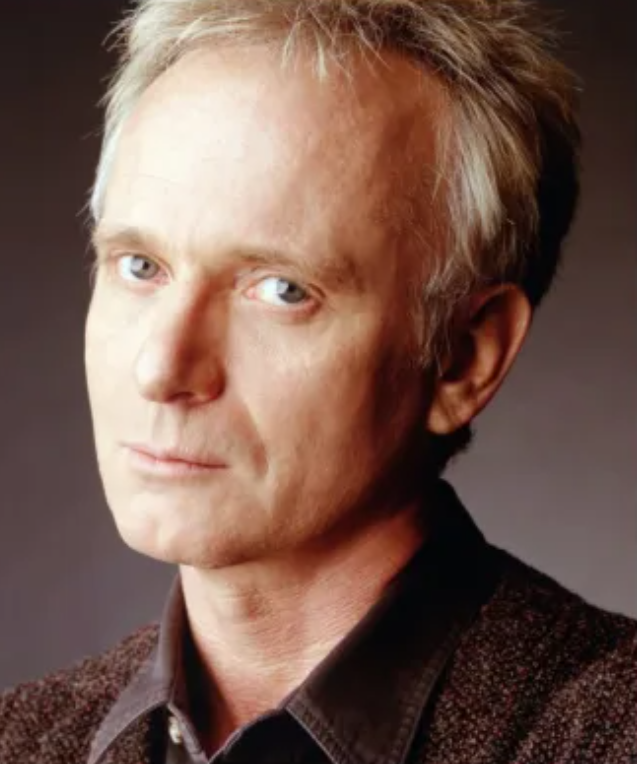
Tony Geary’s status inside General Hospital is not simply that of a popular actor. He was Luke Spencer — a character who didn’t just exist in the show’s universe, but fundamentally reshaped it. Luke turned GH from a hospital-based soap into a cultural phenomenon in the late 1970s and early 1980s. The Luke and Laura wedding drew over 30 million viewers and redefined what daytime drama could be. From the network’s perspective, Geary is not one legend among many; he is the benchmark against which all others are measured.
That history matters because tribute episodes are not handed out equally — they are earned through cultural impact, not longevity alone. Many actors spent decades on GH, but few altered its DNA. Geary won a record eight Daytime Emmys, anchored the show through its highest-rated era, and remained synonymous with the brand even years after his final on-screen appearance. When ABC approved a full commemorative episode, it wasn’t an emotional impulse — it was a strategic acknowledgment of the single most influential figure in the show’s history.
This is where comparisons begin to sting. Fans quickly pointed out that other beloved performers never received similar treatment. Some were honored with title cards. Others got brief montages or dialogue mentions. A few were acknowledged quietly, almost uncomfortably fast. The disparity fueled accusations of favoritism, but the reality is harsher: daytime television operates on legacy tiers, and Geary occupies a tier almost no one else does.
The Feb 20 controversy made that hierarchy painfully visible. In the days leading up to that date, many viewers believed General Hospital would air a substantial tribute — possibly even the long-rumored full episode. Instead, what appeared was a shorter, more restrained acknowledgment. No sweeping retrospective. No narrative focus. No event television moment. For fans already bracing for closure, it felt like a bait-and-switch.
What happened behind the scenes was not negligence but logistics. The Feb 20 tribute was never designed to be the centerpiece. It functioned as an interim moment — a pause to acknowledge the loss while the production team prepared something far larger and far more deliberate. A full tribute episode requires archival licensing, scheduling coordination with returning cast members, narrative restructuring, and network approval. None of that happens quickly, especially during a period when the show was juggling sweeps arcs and ongoing storylines.
Still, the silence around that decision created a vacuum, and fandom rushed to fill it with anger. Many interpreted the Feb 20 moment as a downgrade or a sign that the promised tribute had been scrapped. Others questioned whether the show was retreating due to backlash over Geary receiving “too much” recognition. In reality, the opposite was true. The restrained January tribute was a holding pattern, not a cancellation.
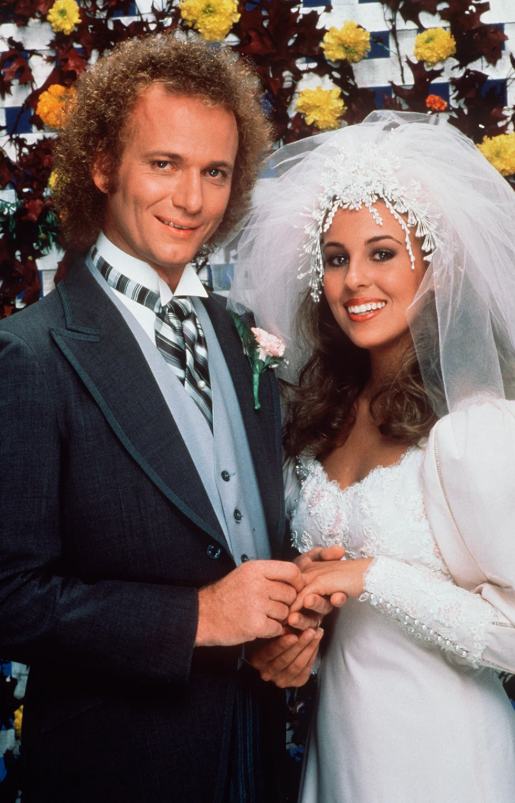
The decision to delay the full episode was also a matter of tone. A true Geary tribute could not be squeezed between plot beats or reduced to sentimentality. It needed narrative weight, space, and intention. Luke Spencer’s legacy is messy, controversial, and massive. Honoring that legacy required distance — emotional and structural — from the immediate aftermath of Geary’s passing.
Ultimately, the outrage surrounding both issues reveals a deeper discomfort within the fandom. Fans want fairness, but General Hospital operates on impact, not equality. Not every loss is treated the same because not every figure shaped the show in the same way. A full tribute episode for Geary does not diminish others — but it does force viewers to confront an uncomfortable truth about how television history is written.
Feb 20 didn’t fail. It simply wasn’t the moment fans imagined. The real tribute was never meant to be quick, quiet, or easy. Like Luke Spencer himself, it was always destined to arrive loudly, controversially, and on its own terms.
