On General Hospital, few questions feel as unsettling right now as this one: Would Marco hurt Lucas if Lucas became an obstacle? What started as suspicion and unease among fans has evolved into a serious narrative concern. The show has carefully layered Marco’s charm, secrecy, and moral ambiguity, creating a scenario where love and danger no longer feel mutually exclusive. This is not about wild speculation—it is about what the story itself has been quietly preparing us for.
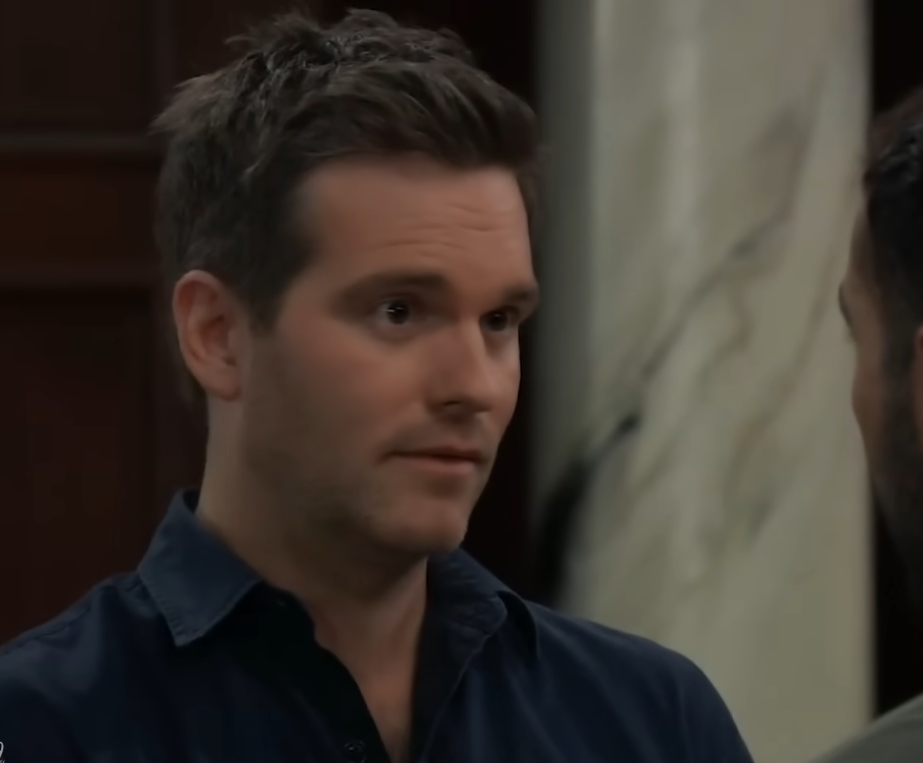
Marco has been written as a man who never fully reveals his hand. He speaks softly, acts supportive, and presents himself as someone Lucas can trust, yet his connections and timing repeatedly raise red flags. In General Hospital, characters who play the “long game” rarely do so without collateral damage. Marco’s strategic patience suggests he is capable of prioritizing outcomes over people, and that is where Lucas becomes vulnerable. When ambition or survival enters the picture, affection often becomes negotiable.
Lucas, by contrast, is defined by moral clarity. As a doctor and a character, he is wired to intervene, to protect, and to speak up when something feels wrong. That very integrity is what places him in danger. If Lucas uncovers a truth Marco cannot afford to have exposed, he will not stay silent. In soap storytelling, that moment—when love meets conscience—is often the spark that turns romance into threat. Lucas would not be “in the way” by accident; he would be there because doing nothing is not who he is.
What makes this storyline especially chilling is that Marco would not need to be overtly violent to hurt Lucas. General Hospital excels at portraying harm through manipulation, betrayal, and calculated silence. Hurting Lucas could mean setting him up, gaslighting him, or allowing harm to come his way by choosing not to intervene. Sometimes the most devastating damage is done when a character looks away at the exact moment help is needed. Marco’s ability to compartmentalize makes that possibility disturbingly believable.
Another crucial factor is Marco’s apparent comfort with morally gray alliances. Characters tied to dangerous power structures—criminal, political, or corporate—often reach a point where eliminating an obstacle feels justified. If Lucas threatens Marco’s larger objective, Marco could rationalize his actions as “necessary.” Soap history shows us time and again that when justification replaces empathy, love becomes expendable. The question is not whether Marco cares about Lucas, but whether caring will be enough.
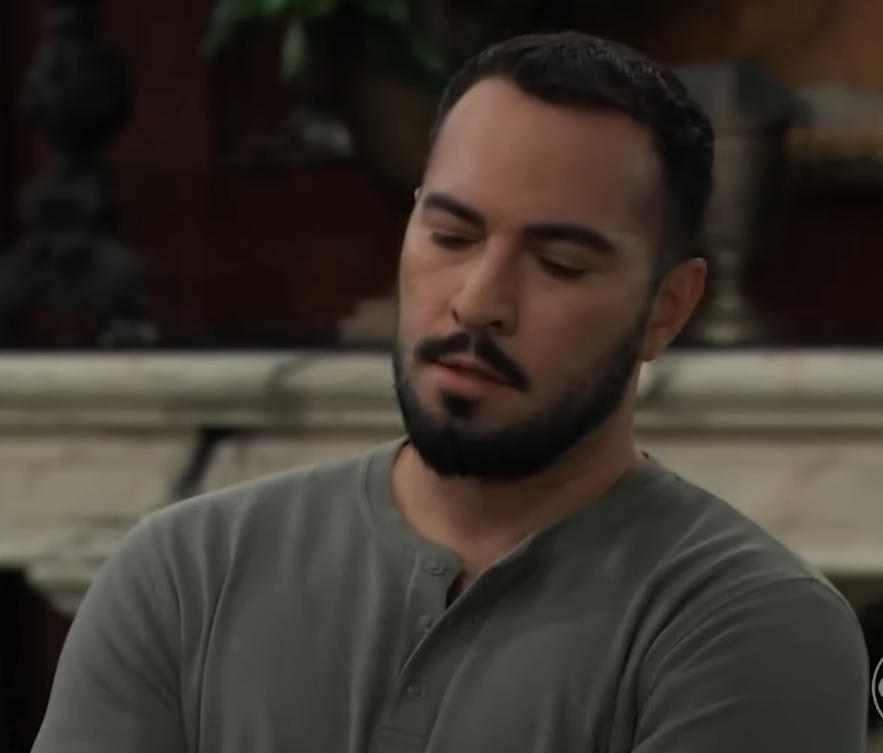
Fans are reacting so strongly because the show has been deliberate in planting this fear. Scenes are framed to make viewers uneasy, not reassured. Marco’s calm reactions in tense moments, his selective honesty, and his tendency to redirect rather than explain all signal a man who is always calculating. General Hospital rarely gives those traits to characters destined for purely redemptive arcs. Instead, they belong to characters who face a defining moral collapse before any chance at salvation.
If Marco were to hurt Lucas, even indirectly, it would fundamentally change both characters. Lucas would become a tragic figure caught between love and survival, while Marco would cross a line that cannot be uncrossed. The fallout would not be limited to their relationship; it would ripple outward, forcing others to choose sides and re-evaluate their own loyalties. This is the kind of emotional explosion the show saves for stories meant to last.
Ultimately, the most terrifying part of this question is that General Hospital has made it plausible. The writers have ensured that viewers can imagine Marco making that choice—and understanding how he got there. Whether Marco actually crosses that line remains to be seen, but the danger is no longer theoretical. If Lucas stands in the way, the show has already taught us not to assume love will be enough to stop what comes next.
