In General Hospital, custody battles are never just about children — they’re about power, control, and who blinks first. Michael Corinthos now stands at a brutal crossroads, and the choice he makes could reshape not only his future with his kids, but his entire standing in Port Charles. Should he listen to Sonny and compromise with Willow, or should he fight her in court until the very end? What looks like strength on the surface may actually be the most dangerous gamble Michael has ever taken.

Sonny’s advice is simple, and that’s exactly why Michael doesn’t want to hear it. Sonny isn’t asking his son to surrender. He’s asking him to stay in control. By negotiating directly with Willow, Michael could define strict boundaries, limit visitation, and protect his children from years of legal warfare. Sonny knows the system well enough to understand that once a judge takes over, parents lose the ability to shape the outcome. To Sonny, compromise isn’t weakness — it’s strategy.
From a legal perspective, Sonny’s argument is hard to ignore. Courts don’t reward pride. They reward cooperation, stability, and reasonableness. A parent who refuses to negotiate can quickly be framed as combative or inflexible, even if their motives are rooted in fear and love. By digging in his heels, Michael risks appearing less like a protective father and more like a man trying to punish the woman who hurt him. In custody cases, perception can be as powerful as truth.

But Michael’s refusal doesn’t come from arrogance alone. It comes from history. Willow didn’t just break his heart — she shattered his trust. To Michael, compromise feels like opening a door that should never be reopened. Willow has already proven capable of crossing lines, and once visitation is granted, it can expand. What begins as supervised visits can evolve into shared custody, and Michael knows that once momentum shifts, it’s nearly impossible to reverse.
That fear isn’t unfounded, especially given Willow’s current position. She’s been exonerated. Her image has been cleaned. She’s now married to a congressman, which gives her a level of public credibility and protection she didn’t have before. In court, optics matter, and Willow’s optics are improving by the day. Michael may believe he holds the upper hand, but legally speaking, that advantage is thinner than he wants to admit.
Ric Lansing’s warning cuts straight through Michael’s confidence. Whether Michael likes him or not, Ric is right about one thing: Willow will get visitation. That outcome is almost inevitable. Judges rarely sever a mother’s access to her children without overwhelming evidence, and that evidence simply isn’t there anymore. Michael’s refusal to negotiate doesn’t stop that reality — it only ensures that someone else will set the terms for him.
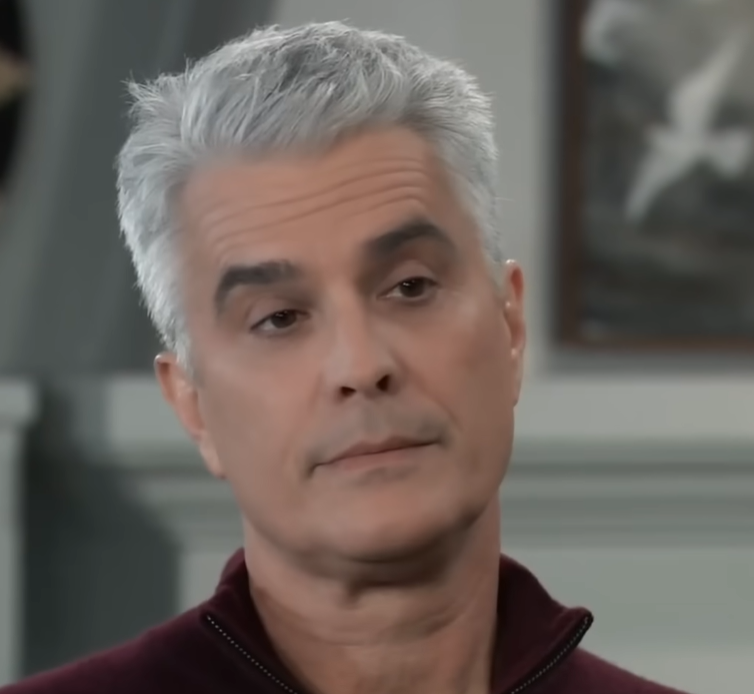
This is where the generational divide between Sonny and Michael becomes painfully clear. Sonny thinks in terms of ending wars before they destroy everyone involved. Michael thinks in terms of preventing future damage at any cost. Sonny wants to stop the fight. Michael wants to make sure it never happens again. Both men believe they’re protecting the same children, but their paths couldn’t be more different.
The danger is that Michael’s version of protection may be blinding him to new risks. His sudden departure to meet Diane after learning the DA wants to question him about Drew’s shooting is not a coincidence — it’s a warning sign. If Michael is about to face renewed scrutiny, then dragging out a bitter custody war could backfire spectacularly. A parent under suspicion loses leverage fast, especially when opposing counsel is eager to exploit every crack.
That looming legal shadow changes everything. A courtroom battle requires clean hands, steady nerves, and total control of the narrative. Michael may believe he’s ready for war, but if other investigations heat up, the ground beneath him could collapse. Compromise, in that context, becomes not just an emotional choice, but a tactical one.
The truth is, there is no safe option here. Compromising with Willow risks giving her a foothold she could later expand. Fighting her in court risks handing total control to a judge — or worse, exposing Michael at the wrong moment. Sonny’s advice offers containment. Michael’s instinct offers finality. Both come with consequences that can’t be undone.
So the real question isn’t whether Michael is right or wrong. It’s whether he’s choosing strength, or choosing pride. Is he protecting his children from Willow, or protecting himself from ever having to trust her again? In Port Charles, wars are rarely won by the angriest fighter. They’re won by the one who knows when to stop swinging — and when to step back before everything burns.
