In General Hospital, some of the most powerful moments are not delivered through speeches or confrontations, but through silence. And in the middle of the snowstorm chaos, one brief exchange proved that better than anything else. When Chase questioned Jason about not knowing exactly where his child was during the storm, Jason didn’t argue. He didn’t defend himself. He didn’t explain. He simply looked at Chase — and that look ended the conversation.
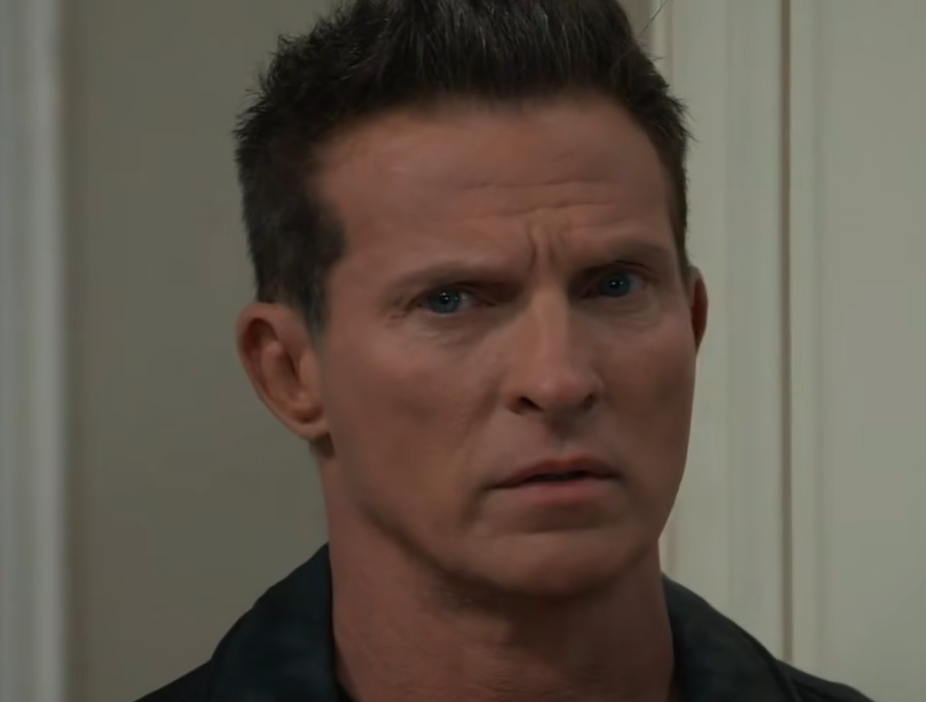
On the surface, Chase’s comment sounded reasonable. A police officer expressing concern about a child’s safety during extreme weather should be a neutral, even responsible, reaction. But this wasn’t a generic situation, and Jason wasn’t just any parent being addressed. Context matters, and Chase ignored it. Jason knew where his son was. He knew he was safe. What Chase offered wasn’t concern — it was judgment.
That distinction is where everything shifted. Chase didn’t ask a question. He made a statement. And in doing so, he crossed from professional awareness into personal interference. Jason immediately recognized that shift. The look he gave Chase wasn’t angry, explosive, or defensive. It was controlled, cold, and final. It was the look of a man who knows exactly where the line is — and knows someone has just stepped over it.
Jason Morgan has never been a character who over-explains himself. He doesn’t justify his choices to people who haven’t earned that right. As a father, he has made mistakes, yes — but he has also survived circumstances most parents in Port Charles can’t even imagine. He operates in a world where danger is constant, contingency is planned, and trust is earned through action, not lectures. Chase, in that moment, spoke as if Jason were careless. Jason knew that assumption was wrong — and he didn’t need to say so out loud.
What makes the scene resonate is that Jason doesn’t raise his voice or assert authority. He doesn’t remind Chase who he is or what he’s survived. He simply refuses to engage. That refusal is not weakness. It’s dominance. Jason understands that explaining himself would validate Chase’s intrusion. Silence, instead, draws the boundary clearly: this is not your place.
Chase, for all his good intentions, misread the situation badly. He assumed the badge gave him standing. He assumed concern gave him permission. But Jason isn’t a man who responds to assumptions. When Chase finished speaking, the realization hit — not through words, but through Jason’s reaction. Or lack of one. That’s when Chase understood he’d gone too far.
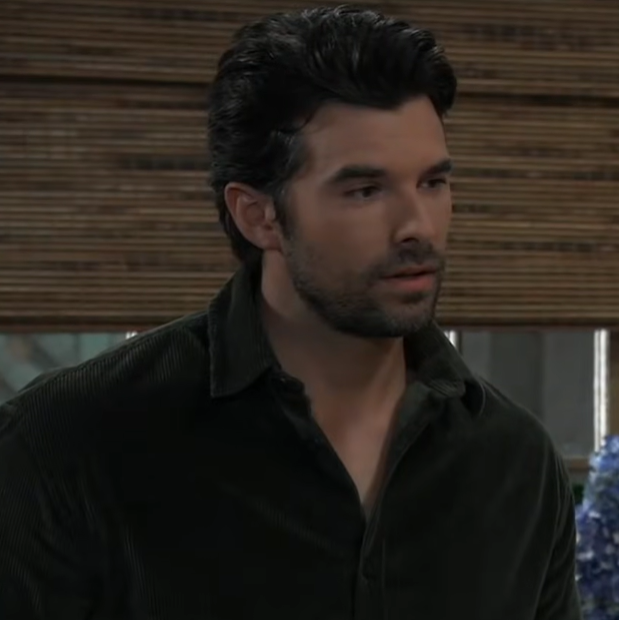
This moment reframes Chase’s role in the situation entirely. He wasn’t protecting a child. He wasn’t enforcing safety. He was projecting his own standards onto a man who never asked for them. Jason’s silence exposes that truth without humiliating Chase, but it leaves no doubt. Chase’s authority stopped where Jason’s family began.
For longtime fans, this scene felt quintessentially Jason. He has always been most dangerous when he’s calm, most powerful when he’s quiet. The look he gave Chase carried years of experience, loss, and hard-earned certainty. It said: I don’t owe you an explanation. And more importantly: you don’t get to question me here.
The brilliance of the moment lies in its restraint. A lesser character would have argued. A louder one would have escalated. Jason did neither. He let Chase’s words hang in the air and allowed their weight to turn back on the person who spoke them. That is control. That is confidence. And that is why the moment landed so hard.
In the end, Chase spoke up — and Jason shut him down without a single line of dialogue. It was a reminder that power in Port Charles doesn’t always come from being right, or even being loud. Sometimes, it comes from knowing when you don’t have to say anything at all.
