There’s a growing theory among fans of General Hospital that refuses to go away: the DNA test results naming Curtis as the father may have been tampered with. In Port Charles, paternity tests are rarely simple, and history has proven that lab results can be manipulated, switched, or outright fabricated. That alone is enough to keep suspicion alive. But when you look closer at the timing, the players involved, and the emotional stakes, the possibility that the truth has been altered becomes far more compelling.
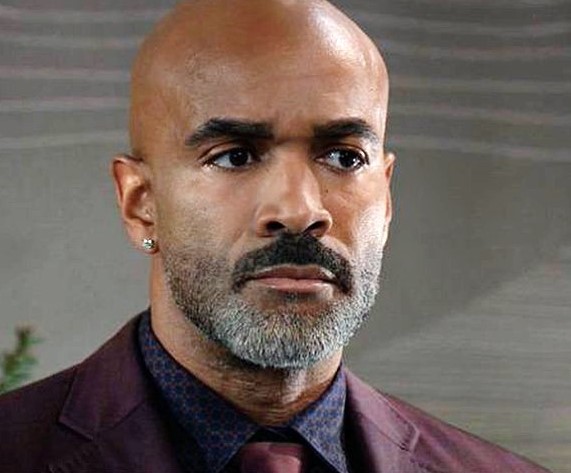
At the center of this theory is Isaiah. Some viewers are convinced that he, not Curtis, is the biological father of Portia’s baby. The suspicion isn’t random. Isaiah’s arrival in Port Charles was layered with mystery and tied into larger storylines involving powerful and morally flexible figures. His connections, his secrets, and the unresolved tension surrounding his past make him a viable candidate in a storyline built on deception. In a town where secrets are currency, Isaiah fits the profile of a man whose truth could detonate multiple lives at once.
Then there’s Sidwell. If this theory holds weight, Sidwell may be the architect behind a deliberate DNA switch. The motive? Revenge. If Sidwell has unfinished business with Isaiah, orchestrating a falsified paternity result would be a calculated and devastating move. Making Curtis believe he is the father would fracture relationships, ignite emotional chaos, and isolate Isaiah from a child who could be his. It would be a slow-burn form of retaliation — not loud or explosive at first, but corrosive over time. For a character driven by control and manipulation, it would be a strategic masterstroke.
This wouldn’t be unprecedented in General Hospital. The show has a long history of tampered lab results, secret babies, and shocking paternity reversals. DNA tests in Port Charles are often plot devices rather than final answers. Viewers have learned not to trust envelopes, hospital reports, or conveniently timed confirmations. Because of that legacy, fans are primed to question any result that seems too neat. Curtis being confirmed as the father may feel resolved on the surface, but soap operas thrive on pulling the rug out from under audiences just when things appear settled.
Another crucial layer to this theory involves Portia’s potential motivation. If Isaiah is the true father, Portia would be facing an emotional minefield. Telling Curtis he is the father stabilizes her marriage narrative and protects the image of her family. More importantly, it shields Trina from another upheaval. Trina has already endured complicated revelations about her own paternity. Introducing yet another father switch — especially involving Isaiah — could reopen wounds and create fresh resentment. Portia may convince herself that naming Curtis as the father is the least destructive option.
From a character perspective, Portia lying again would be risky but dramatically rich. She has already faced consequences for bending ethical lines in the past. Choosing to conceal the truth about her baby’s father would not be a simple villain move; it would be layered with fear, protection, and desperation. She may believe she is preserving stability, but in classic soap fashion, secrets buried for the “right reasons” rarely stay buried. When exposed, they tend to explode.
There’s also the emotional irony to consider. Curtis stepping up as a devoted father, bonding with the baby, rebuilding a sense of purpose — only to later discover he was never the biological parent — would be devastating. It would reshape his identity and force him to confront betrayal on multiple levels. Meanwhile, Isaiah learning he has a child he was kept from would create a powerful moral and emotional conflict. That triangle alone could fuel months of story.
The Sidwell factor adds thriller energy to what might otherwise be a domestic drama. If he orchestrated the switch, the reveal wouldn’t just be about paternity — it would expose a larger web of manipulation. That kind of twist ties personal stakes to broader power struggles, something General Hospital excels at when firing on all cylinders.
Of course, none of this is confirmed. Soap operas are built on speculation, misdirection, and carefully timed revelations. But the reason this theory resonates is simple: it feels plausible within the rules of this world. DNA has been falsified before. Enemies have sought revenge through psychological warfare. And Portia has made complicated moral choices under pressure.
If the results are indeed wrong, the fallout would be seismic. Curtis’ certainty would shatter. Isaiah’s past would collide with his present. Portia’s attempt to protect her family could ultimately destroy it. And Trina, once again, would find herself caught in the crossfire of adult secrets.
In Port Charles, the truth rarely stays quiet. And if this DNA bombshell is ticking beneath the surface, it’s only a matter of time before it explodes.
