Anna Devane’s sudden mental collapse never quite made sense, and now the pieces are finally falling into place. She was rushed out of Port Charles and placed in a French clinic under the label of “treatment,” but everything about the situation felt off. The speed of her breakdown, the intensity of her fear, and the way Faison’s shadow seemed to haunt her again all pointed to something far more deliberate. What if Anna wasn’t losing her mind at all—but someone was actively rewriting it?
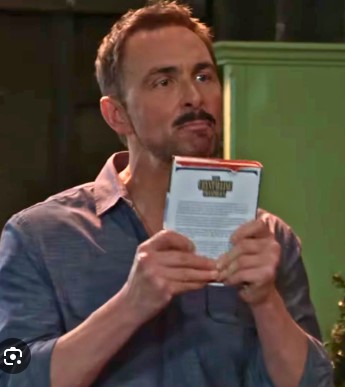
That question is exactly what Valentin refused to ignore. While others accepted the narrative, he started connecting the details Josslyn brought him. Cullum having Faison’s book and signature cigarillos wasn’t random—it was targeted. Faison wasn’t just a name from the past; he was Anna’s deepest psychological trigger. Valentin didn’t react with panic. He focused on the one thing no one else questioned: why these specific symbols were resurfacing now, and who stood to gain from it.
But then came the detail that changed everything. The timeline didn’t match. Cullum was physically in Port Charles while Anna was being handled in France. That should have cleared him—but instead, it exposed something much bigger. Valentin realized Cullum didn’t need to be there in person. This wasn’t about proximity. It was about control. Someone had already set the mechanism in motion, meaning Anna’s breakdown could have been pre-engineered long before she ever left town.
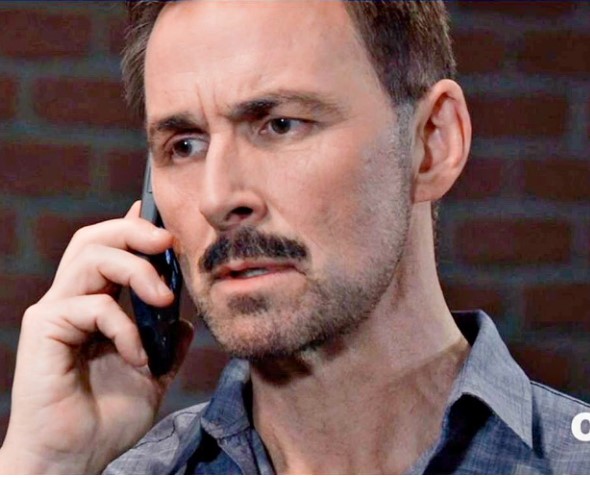
That realization led Valentin to take a risk no one else would. Instead of waiting for official answers, he created his own access point. Posing as Kevin Collins, he called the clinic directly and demanded information. It wasn’t just deception—it was strategy. Valentin understood that if the system was compromised, then the only way to uncover the truth was to go around it. And what he found confirmed his worst fears.
The records didn’t add up. Treatment notes showed inconsistencies. The same psychological triggers tied to Faison appeared repeatedly, not as random symptoms, but as reinforced patterns. This wasn’t healing—it was conditioning. Anna hadn’t been treated; she had been manipulated, pushed deeper into fear by design. Someone had turned her trauma into a weapon, and the clinic may have been part of the operation rather than the solution.
Valentin didn’t hesitate after that. While everyone else believed Anna was gone, he knew she was still there, buried beneath layers of psychological interference. He took matters into his own hands and pulled her out of that environment before the damage became permanent. It wasn’t just a rescue—it was a reversal. He refused to let the narrative define her, and instead, he forced reality back into focus.
When Anna returns to Port Charles, she doesn’t come back as a victim. She comes back with clarity. The fear that once controlled her is now something she understands, something she can trace. Her memory isn’t fractured anymore—it’s sharpened. And with that clarity comes something even more dangerous: knowledge. She knows what was done to her, and more importantly, she knows who set it in motion.
Cullum’s name is no longer just a suspicion—it becomes a target. Anna begins to piece together the pattern, revealing how psychological triggers, timing, and manipulation were used against her. Whether he acted alone or as part of a larger network tied to WSB or Sidwell, one thing becomes undeniable: this was never random. This was constructed. Cullum didn’t just exploit her weakness—he engineered it.
But even with the truth coming out, the danger is far from over. If Cullum was capable of orchestrating something this precise, then he’s likely already prepared for exposure. There may be others involved, others still hidden, and Josslyn could already be closer to the fire than she realizes. Every answer Anna brings back may open two more questions, and the deeper they dig, the more dangerous it becomes.
This changes everything heading into May Sweeps. Anna’s return isn’t just a comeback—it’s a shift in power. With Valentin at her side, the game is no longer about survival, but about exposure. The truth is finally surfacing, and if Cullum thought he was controlling the narrative, he’s about to find out just how wrong he was.
